
Alexander Grabovetskiy, woodcarver, School of Woodcarving · Published 2020
Does stropping round a carving tool's edge?
Quick answer: Stropping is the third stage of sharpening, after grinding the bevel and sharpening the edge. On soft leather or felt your hand rocks a little and the bevel goes round, which makes resistance in the wood. Strop the inside as well as the outside, and the resistance gets smaller.

Stropping is the third stage of sharpening, and yes, on soft leather it can round your edge. You rock the tool a little without meaning to, the bevel goes round, and a round bevel makes resistance when you dig into the fibers. I strop from two sides, outside and then inside. Some resistance stays, but not as much, and I'm not afraid of rounding my edges that way.
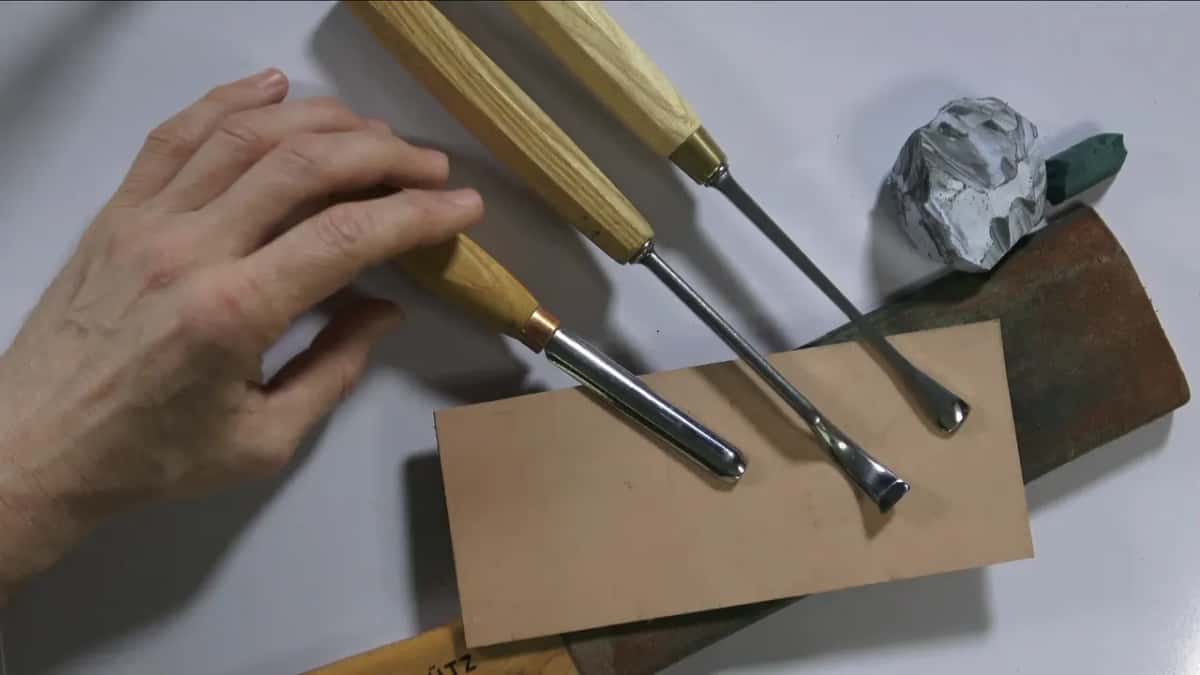
Have you heard that stropping rounds the edge? Do you want the answer from a man who strops every day? Then read on. A man in my chat named Sergio told me, right before the stream started, that he had stopped stropping because it rounds the edge. I do understand him. I went through that stage myself. Then I came back, and now I strop daily.
My grandfather shaved with a straight razor. Pretty much every day he took a piece of leather, like a hide, stropped the razor on it, and shaved himself. I had no idea what he was doing. I only knew that the razor was the most frightening thing in his toolbox, because it was so sharp that I was afraid to pick it up, and he was afraid I would.
It was used before him, probably. He was taught by his grandfather, his grandfather by his grandfather, and so on. It's a historical idea.
What changes once you strop both sides
- Rounding is real. A soft surface plus a hand that wobbles equals a curved bevel, and nobody holds a tool perfectly still.
- A curved bevel makes resistance when you push into the fibers, even when the edge is genuinely sharp.
- Work the inside too, and some drag stays, only less.
- Hand sharpening on a stone rounds too. Buy any old second hand tool and look at it.
- Leather, wood, MDF and felt all work. Each rounds a different amount.
- In my Roman acanthus course I said to strop a gouge a lot more on the inside than on the outside.
What is the difference between honing, stropping and buffing?
Three words cover this one stage, and the lines between them are thin. Honing and stropping are near enough the same thing to me, with a little difference. On my felt I corrected myself on camera. Going inside a tool on felt is not even honing, I said. It's buffing.
All three live in stage three. Stage one is grinding a new tool into the shape you want. Stage two is making the edge actually sharp. Stage three is today, and the question people keep asking is whether stage three is worth doing at all.
By the way, look at what a new tool arrives with. This one is a BeaverCraft from Ukraine and the steel genuinely surprised me for the money. Beside it sits an Auriou, French, and the price gap is not something you can even discuss in the same sentence. With all of the brands I have the same problem when a tool is brand new. The bevel is really short and really high, so I raise the handle four inches off the surface and still grab nothing, and it takes five inches before I grab the material. No bueno. Stage one fixes that with a grinder, and I left it out of this lesson.
Does stropping really round the edge?
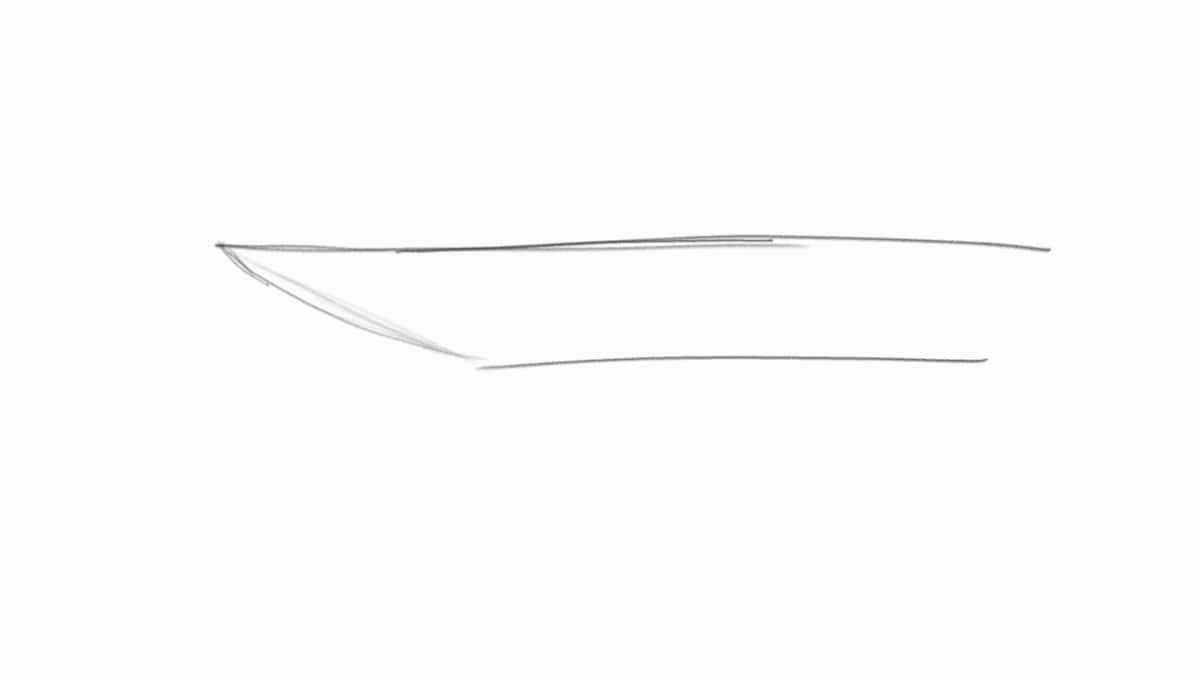
This is the drawing I made to answer Sergio. Take a chisel. Lay it on soft leather and push. Your hand fluctuates, however steady you think you are, so the tool rocks a fraction, and you get that rounding effect every day you strop.
Flip the tool and work the hollow face as well. That way you round two sides, and what is left still has some resistance, but not as much as before.
Sharpen a gouge freehand on a stone, which is the normal technique, and you still make movements, because your hand is not really stable. Pick up old tools on the market and look at those bevels. Every one of them is rounded. Nobody did that deliberately. Hand sharpening is just limited, and you really can't make a nice straight bevel that way. There are jigs that fix it, and with twenty tools that is fine, but a jig takes too long for me.
My Roman acanthus lesson puts more weight on one side. There I told you to strop first on the inside, and do a lot more stropping on the inside of the tool than on the outside. I used a straight chisel to show it there too. When you strop on the leather, the outside bevel gets rounded, and a rounded outside bevel is much harder to push through the wood. Round the inside bevel but keep the outside straight, and it's absolutely no problem. Sometimes a couple of strops puts your tool back in play.
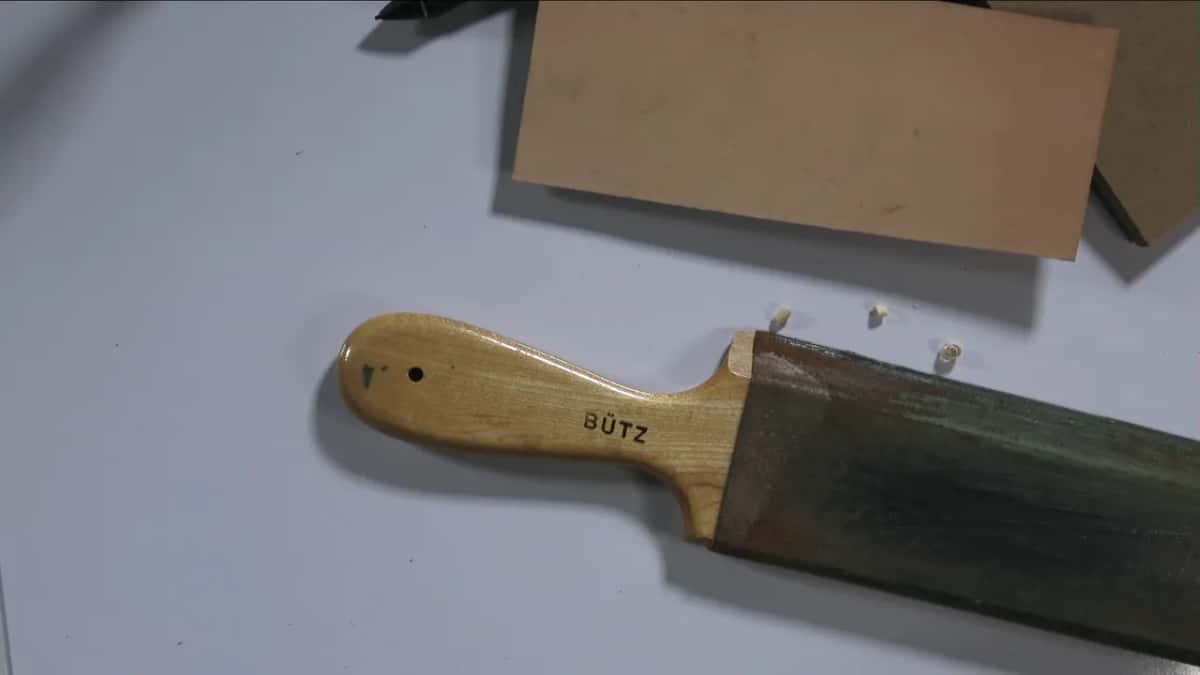
The old stropper in the picture is by Butz, about twenty years old or so. In that acanthus lesson I showed a Butz block with different profiles for the gouges and the V-tools, and it is handy to have.
What do you strop on if you have no leather?
Wood. A block of basswood, whatever you carve, and you don't really have to spend money on it. Somebody in India is not going to buy cow leather, because the cow is considered a holy animal there. Somebody else simply cannot afford it.
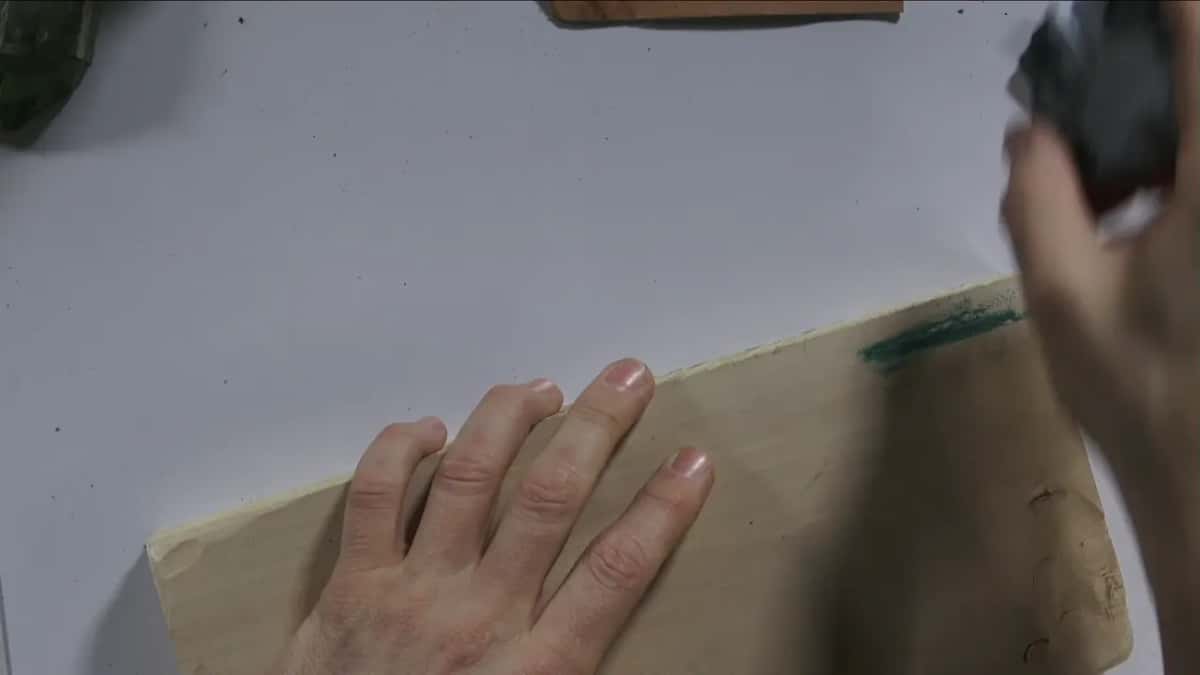
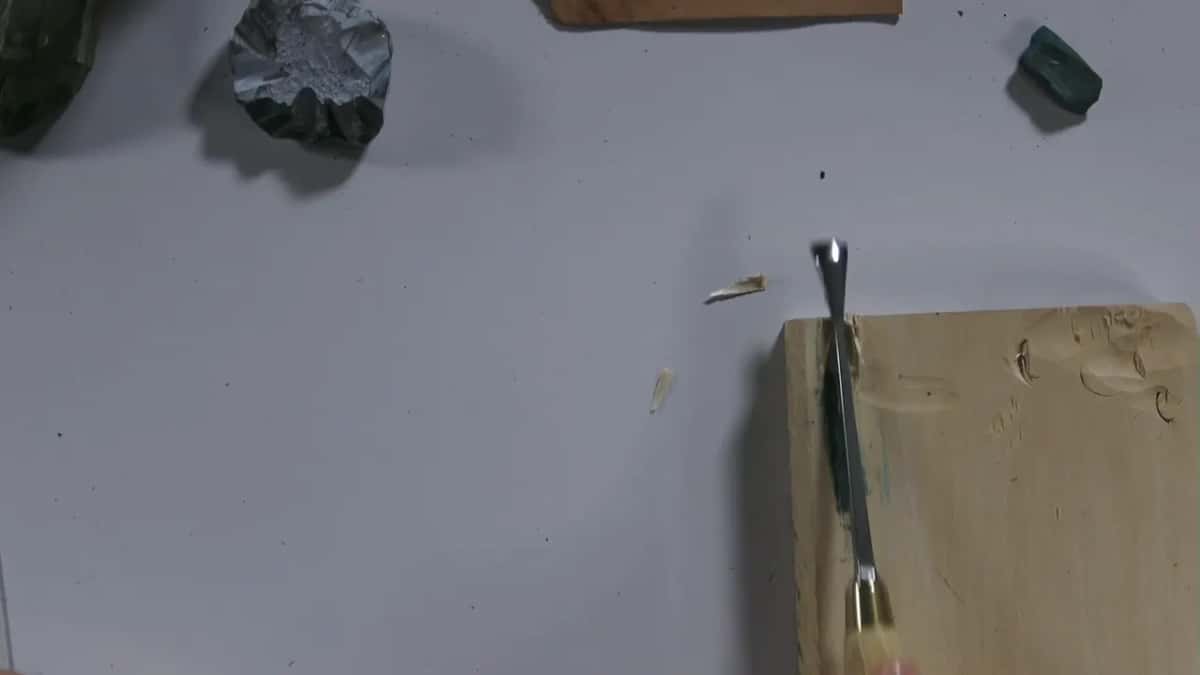
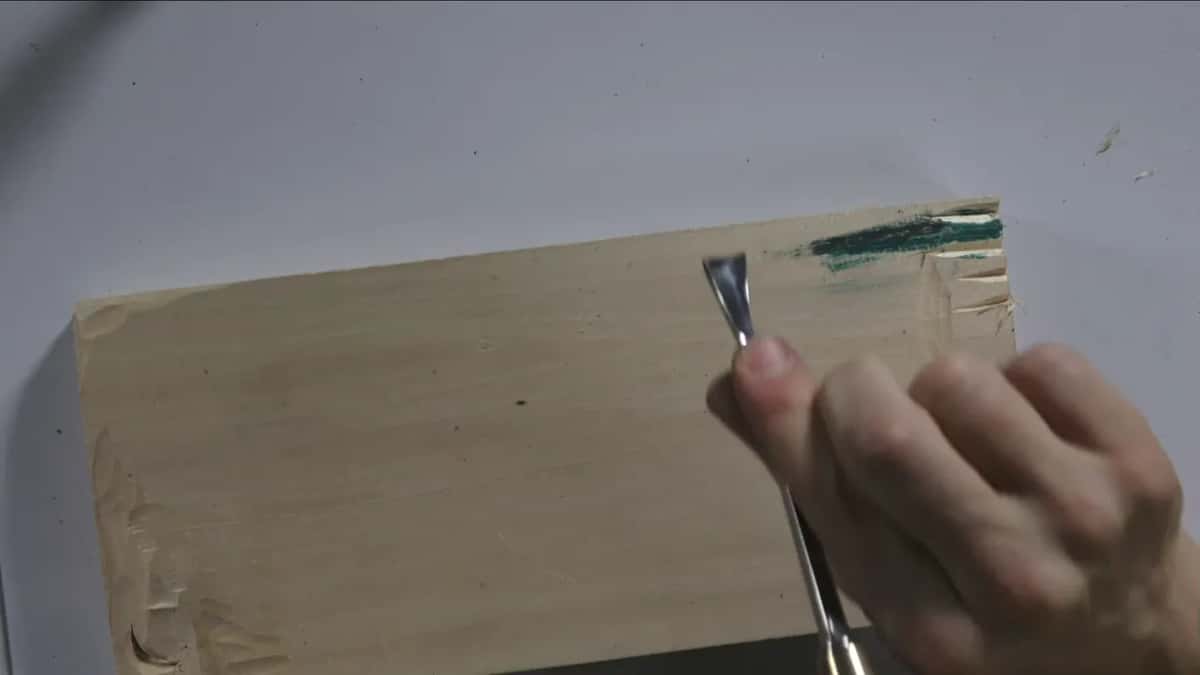
Rub compound along the block and strop the outside, exactly as you would on leather. Any of the pastes will do the trick. It goes black, which means metal is coming off the tool. Then take the gouge and carve its own shape into the block. Now you have a hollow that fits that tool, and you can strop inside it. One block can hold hundreds of profiles. Micro tools, big tools, huge tools. Flexcut makes stropping blocks, but the idea is exactly the same. A piece of wood is your friend.
| What I use | How it behaves on the bevel | Inside too? | What else I said about it |
|---|---|---|---|
| Rough side leather | Charges better, but softer, so rounds more | Yes, folded | An old leather belt works too |
| A basswood block | Charge it with any paste you have | Carved groove | Carve the profile of your tool |
| Plain MDF board | Much harder than basswood, so no rounding | Outside only | Then leather for the inside bevel |
| Soft felt wheel | Blue paste, almost no pressure, still black | Yes, buffing | Safe to touch with your hand |
| Koch hard wheels | Hard paper wheels, so less rounding effect | Soft wheel | These wheels cannot do a V-tool |
Some carpenters and furniture makers use MDF instead. My board is ten millimeters, three eighths of an inch, and being hard it doesn't round, because it doesn't have that thickness and you're not pushing in. Use it like a stone for the outside, then a folded scrap of leather for the inside. A man in my chat called Stefan strops his adzes on MDF, which is exactly right for the big stuff.
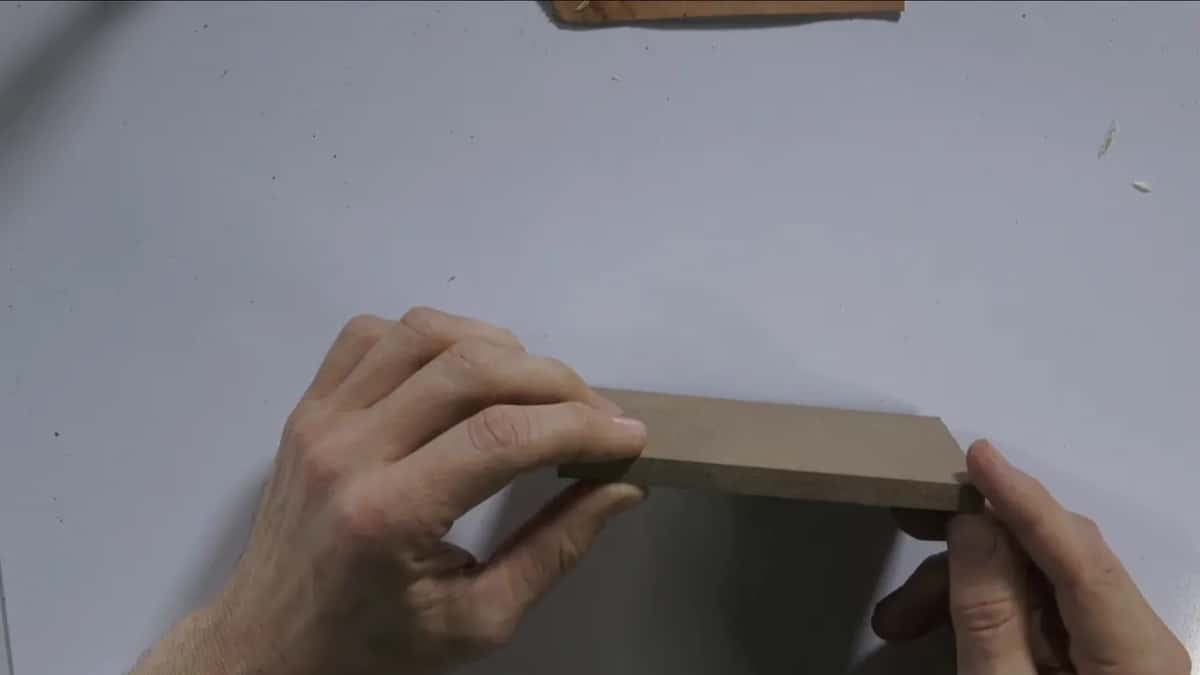
With no leather at all, you can also make your own stropper. The one I showed has different profiles, so I can get inside the V-tool, I can get straight, I can get on some of my gouges, and you can always make one yourself with no problem whatsoever.
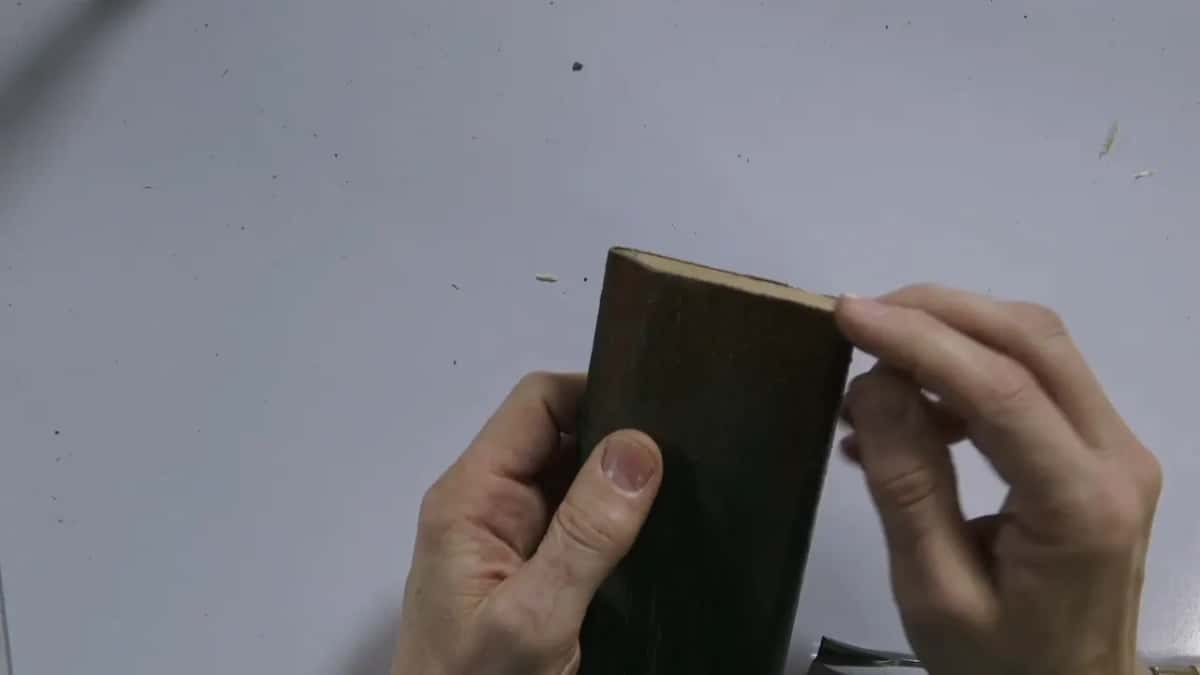
Some woodworkers glue three pieces of leather onto plywood with plain spray glue and charge each one with a different paste. It works fine for a carpenter with straight chisels. I don't glue my leather to a board. Glued flat it can only reach the outside, and a gouge has a sweep, so half the job is out of reach. Loose, it folds into the form of the gouge, and I strop from the inside.
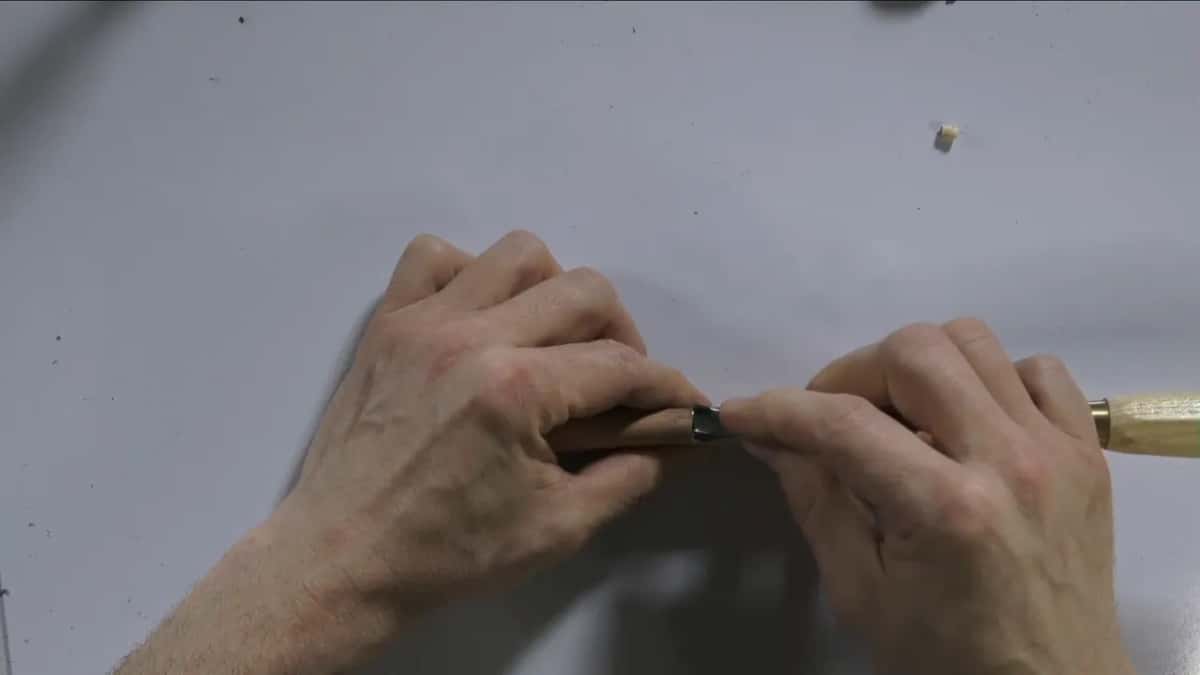
Leather has two faces and they behave differently. The rough side takes compound far better, and it is also the softer one, which means it rounds more. Which face to use depends on the paste. If all you have is an old belt, that works too.
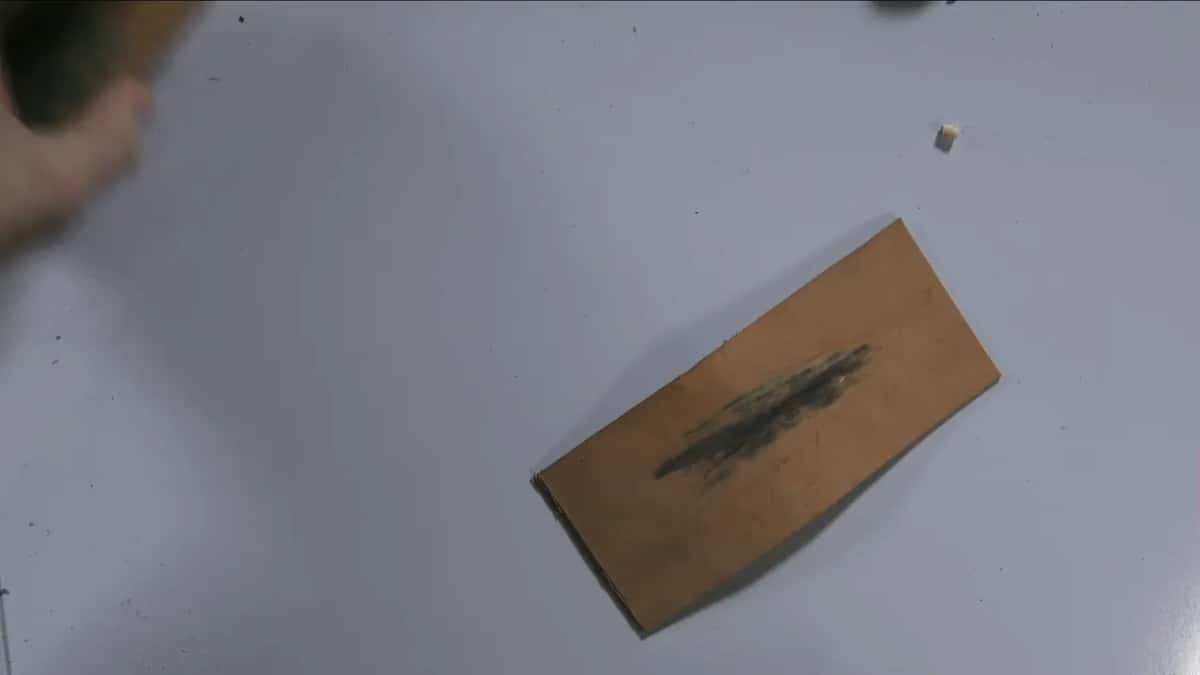
Which compound should you buy?
The brand doesn't really matter, and I said so on camera. Dark green is the most aggressive, light green is gentler, blue is very fine indeed. Mine are Koch. Green for the work, blue for the finish, and the blue is a diamond compound. Neither is cheap and both last a very long time.
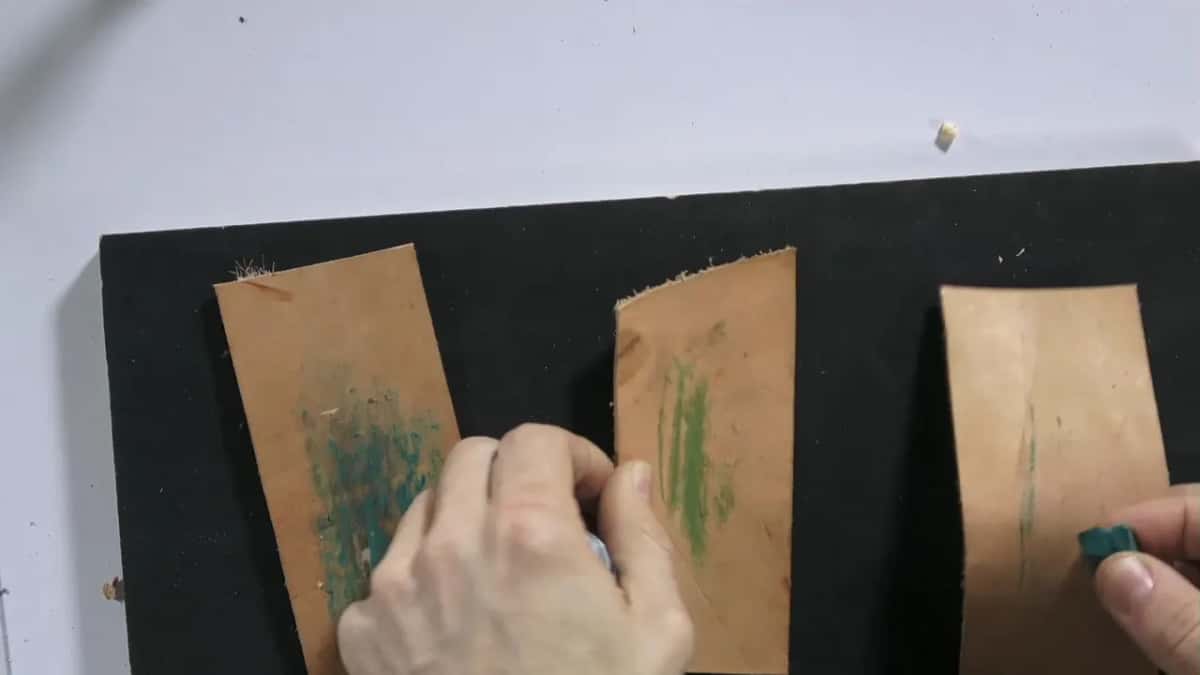
The BeaverCraft paste became one of my favorites recently, and it hones really nicely. I reviewed their carving sets too, and each box came with a thick piece of stropping leather, double shoulder I would say, plus their paste. Flexcut paste comes in its own colors, yellow, white and so on.
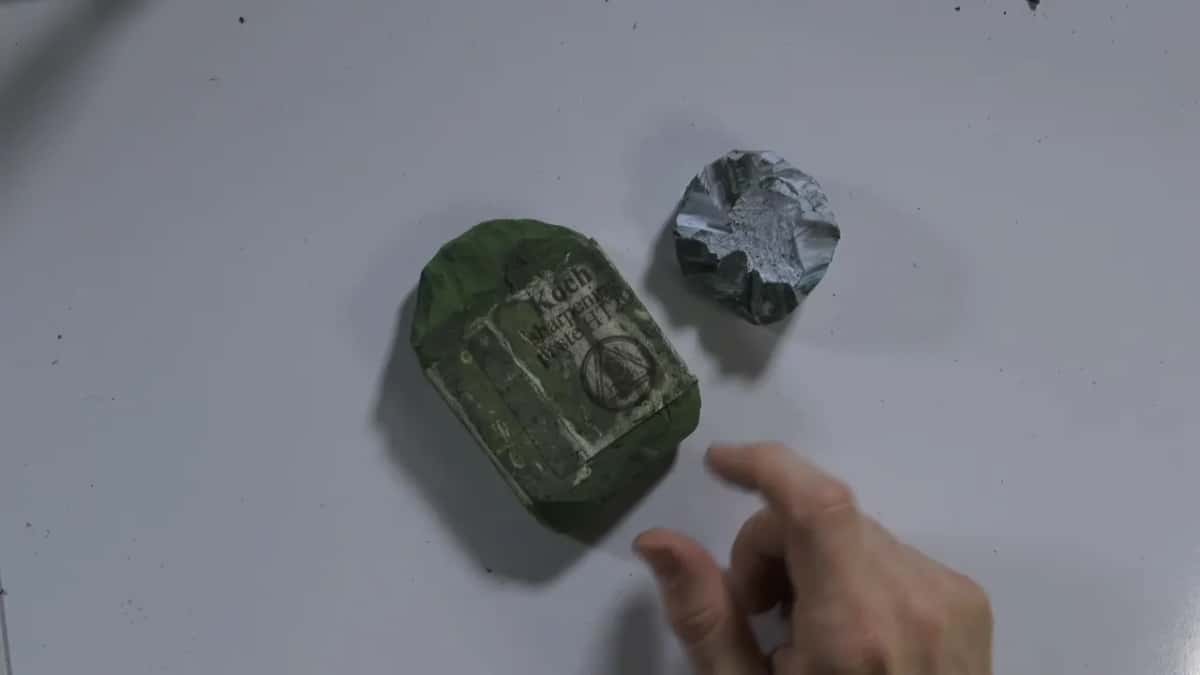
What makes me stay with Koch is mess. By hand it hardly matters. On a machine it matters a great deal, and this one does not fly all over my bench. The blue is hard as a rock, so hard you can barely charge leather with it unless you use the back face. On a machine it also cools the tool down, so the tool won't overheat, and that is why I love that one.
Can you sharpen a tool with nothing but a strop?
You can, and I proved it on camera. I took a set of Schaaf tools out of the box, imagined I was not a professional and owned no expensive stones, and carved a design of grapes using stropping alone. Stones can be really expensive, diamond, water or oil. On this stream I said that for that test I had access to a piece of leather.
In the Schaaf tools lesson itself, I stropped on a felt wheel with some paste on my Work Sharp 3000, the older model. There I said it is more accurate to call it buffing, because it is not really sharpening. Any brand I buy, high-end or not, I still have to reshape it, resharpen it and re-strop or rebuff it before I use it. While I carved those grapes I rebuffed each tool about three or four times, about the same as I would on Pfeil tools or even Ashley Iles.
Which machine, if you want one?
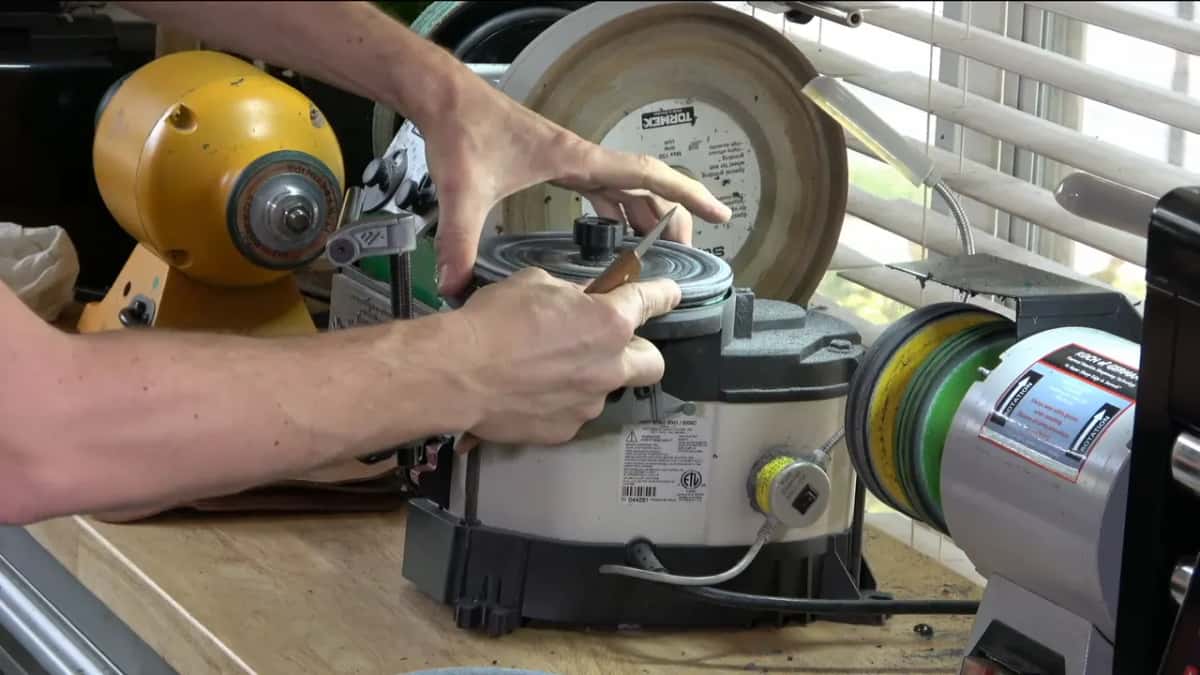
Four machines sit on my bench, made by Koch, Work Sharp and Tormek, plus a cheap grinder I changed myself. The Koch is solid metal, made back when they were made in Germany, quiet, stable and safe, with four wheels. Some people call it a sharpening system, and I say that is wrong. For me it is the honing machine, all the time. Yellow and green are soft pressed paper, blue and red are hard, and harder means less rounding.
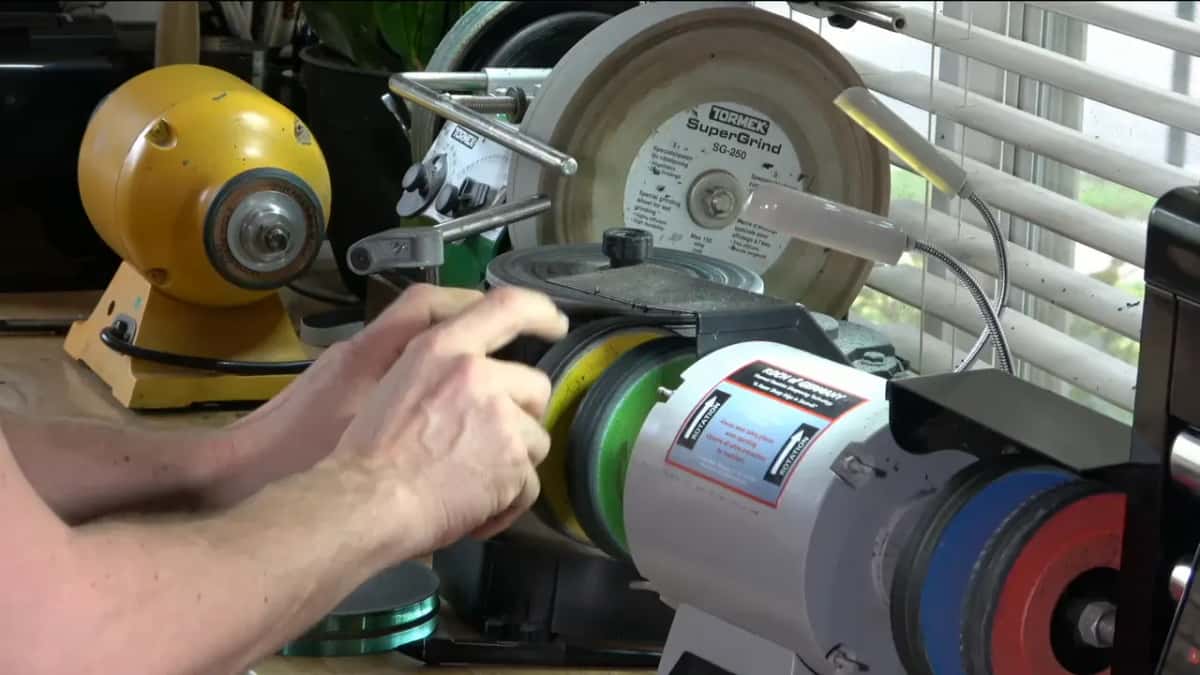
I use really long bevels, and I love them. Its wheel is short, so it only touches a small section of the bevel, not the big hollow I talked about in older streams, when I explained why I don't use a Tormek. It hits from the opposite direction, and that way you are taking the roundness out. For the inside of the tool I mostly use a soft wheel, because I don't worry about roundness on the inside. Its wheels will not take a V-tool, and reaching inside a micro tool with them is impossible, though there are ways to solve it.
My favorite is the cheapest. A Work Sharp. It's a first generation machine, and it even rocks on my bench, but it still works. Changing a wheel takes under a minute and they sell a glass wheel with leather attached to the other face. Charge the leather with green and rock the tool exactly as you would by hand. One limitation there. You cannot reach an inside bevel with that leather, because you will hit the glass. So I lay a soft felt wheel on top of the glass one and charge it with blue. Barely any pressure, because the green already took out most of what needs to come out. It turns black anyway, and you can put a bare hand on it, write on it, polish your nails on it.
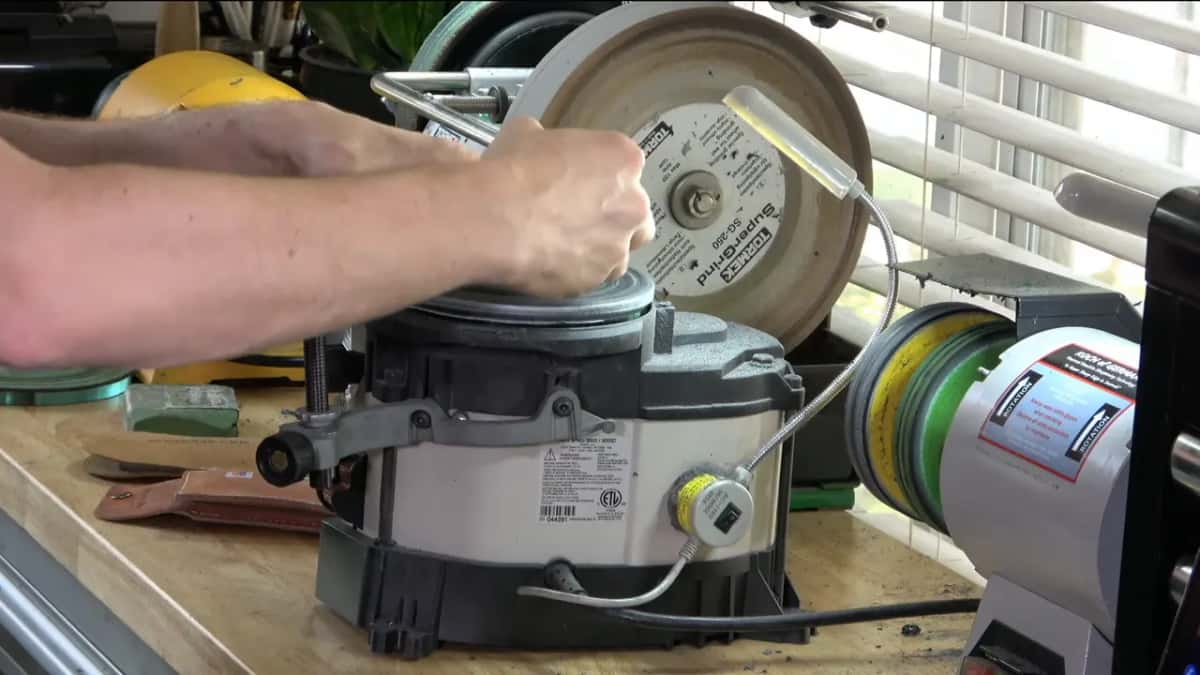
The Tormek honing attachment is leather as well, one face for outside and one for inside, and it runs very slowly. If you want to be more accurate and don't want to burn your tool, that is the solution. Only green goes onto it, because the blue is far too hard to load.
Then there is the cheap solution, a plain bench grinder I bought twenty four or twenty five years ago. I turned it round so the switch faces away, which makes the wheels spin away from me instead of toward me, and I fitted two leather wheels, one about ten millimeters thick and one about twenty. It's about one horsepower and super quick, so I use it mostly with green, because I don't want to burn anything. They used to sell those wheel attachments at Woodcraft, and I believe they still do.
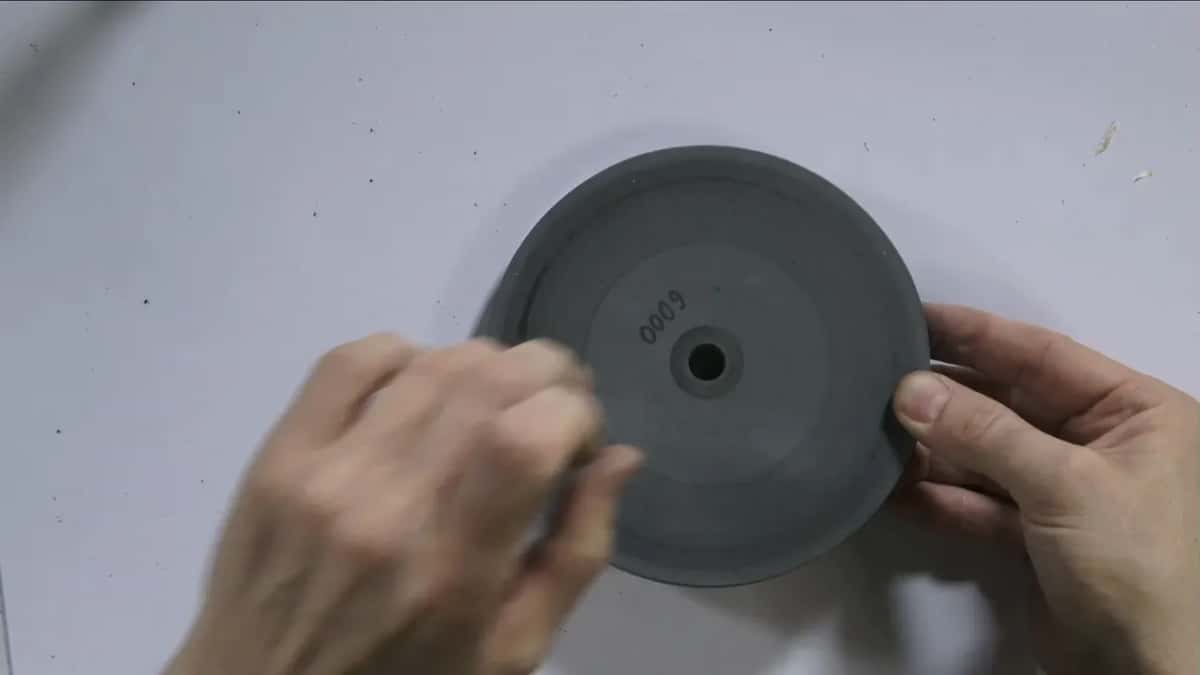
If you are afraid of soft felt, there is a solution on the same machine. Buy a wheel with honing paper on it, 3,600 and 6,000 grit, and put no compound on it whatever. You can go up to 12,000 if you wish. At my in-person classes, somebody almost always reaches for my compound and tries to rub it onto the paper. Please do not. It is sandpaper. It lasts a very long time and it gives you a razor edge, especially with a bar jig holding the angle steady.
Knives go on the same machine. My favorite is a number 12 by Pfeil, charged with blue, one side and then the other. You cannot work right up to the handle, though you don't carve that close to the handle anyway. The only limit of this machine is that it turns one way, and it would be helpful if someone made one that changes direction.
How sharp is sharp enough?
After honing on that felt I can hold a gouge with two fingers, no second hand behind it, and it already starts carving. Off the Koch it carved with no pushing from me, and the honing took a couple of seconds.
And an edge like that lets you break a rule. With a tool polished that far I can work against the grain and still get a shining surface. It is actually sharper than the tools a surgeon uses for surgery. I mean that literally.
When I teach at the Marc Adams School of Woodworking in Indiana, students turn up having bolted a Tormek inner attachment onto the top of a Work Sharp with one screw, so they get inside and outside bevels on one small machine. Mine is not the only way, and I would genuinely like to know what you use.
The rest of this sits across the sharpening course, shape by shape. There is a lesson for a straight gouge, another for the V-tool, and one more for when the V-tool still misbehaves. Bent shapes get their own lessons, spoon gouge, back bent and skew bent. Bigger steel goes to the large gouge and finer work to micro tools, with diamond discs and an L-bracket for the Work Sharp after that.
I carve for a living, and time is money for me. That is why I moved to machines. But on that Schaaf set I pretended leather was all I had, and I could still carve. Short on money for a machine? That is okay too. Come and learn the whole thing properly.
How it's done
- Charge the surface. Rub paste onto the leather, the basswood block or the MDF. Whichever paste you have works.
- Find your bevel. Place the tool, find the bevel it is supposed to have, then rock back and forth without too much movement.
- Do the outside first. Leather, wood, or MDF used like a stone for the outer bevel.
- Watch it go black. Black on the leather or the wheel means you are taking metal out.
- Turn to the inside. Fold the leather to fit the sweep, or use the groove you carved in the block, and work the inner bevel.
- Green, then blue. Green does the heavy work, and the fine blue diamond paste finishes the edge.
- Keep the pressure light. On soft felt I hardly press at all, and the edge still goes black.
- Test it with two fingers. Hold the gouge lightly in two fingers, nothing more, and see whether it starts carving.
Frequently asked questions
Should beginners strop carving tools at all?
Stropping alone was enough for me to carve grapes with a Schaaf set straight out of the box, playing a beginner who owned no stones. In that lesson I buffed on a felt wheel with some paste, and I rebuffed each tool about three or four times while I carved.
How do you strop the inside of a gouge?
Fold loose leather around the sweep and work the inside that way, which is why I don't glue mine to a board. With no leather, carve the tool's own profile into a basswood block, charge the groove with paste and use it.
Is leather or MDF better for stropping?
MDF is much harder than basswood, so you're not pushing in and you don't get the rounding. Leather folds into a sweep, which a flat board can't do. Both work, MDF on the outside bevel and leather inside, and MDF is great for big tools like adzes.
What to carve next