

Alexander Grabovetskiy, woodcarver, School of Woodcarving · Published 2020
Are BeaverCraft wood carving tools any good?
Quick answer: BeaverCraft wood carving tools are worth buying if you do not want to spend forty to sixty dollars on a single gouge. The steel works, the handles are better than most, and each set arrives with a leather strop and compound already inside. One real fault: the outside bevel sits too high.
BeaverCraft gouges earn their place on a bench when a single Swiss tool costs more than you can justify. Their steel cuts. Their handles beat almost everything at this price, the box includes leather and paste, and there is exactly one thing I would send back to the factory: that outside bevel runs high.
What stopped you last time? Was it the design, or was it honestly just the price tag hanging off one gouge? Let me admit something before we go further: I am a tool junkie. Collecting them, comparing brands, holding one against another, that is genuinely one of my favourite corners of this whole craft.
Now the disclosure, because you deserve it before my opinion. BeaverCraft sent me a couple of sets. I make no money from them, none at all, and there is no affiliate arrangement of any kind here. And yes, a little bias is coming, and I would rather tell you why than pretend otherwise.

What you get and what you give up with a budget brand
- The company sits in Ukraine, and I was born in the Soviet Union, so read my warmth toward them with that in mind.
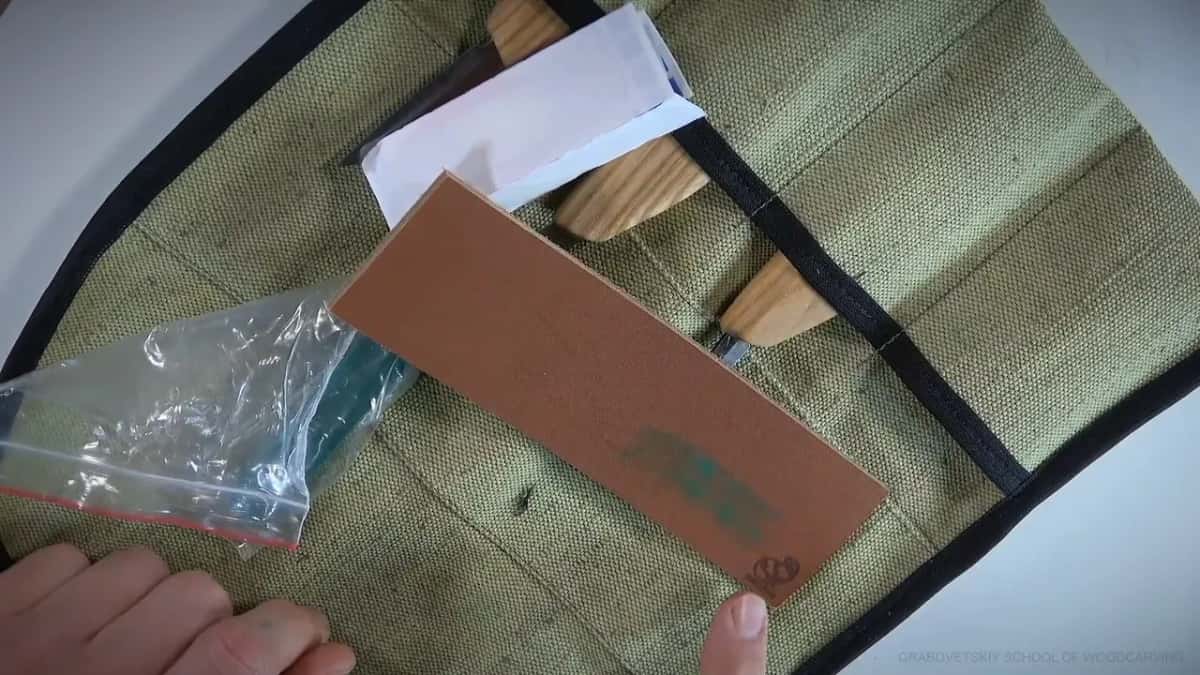
- Both sets ship with a canvas roll, a thick strop of leather and green compound, which you would otherwise buy separately.
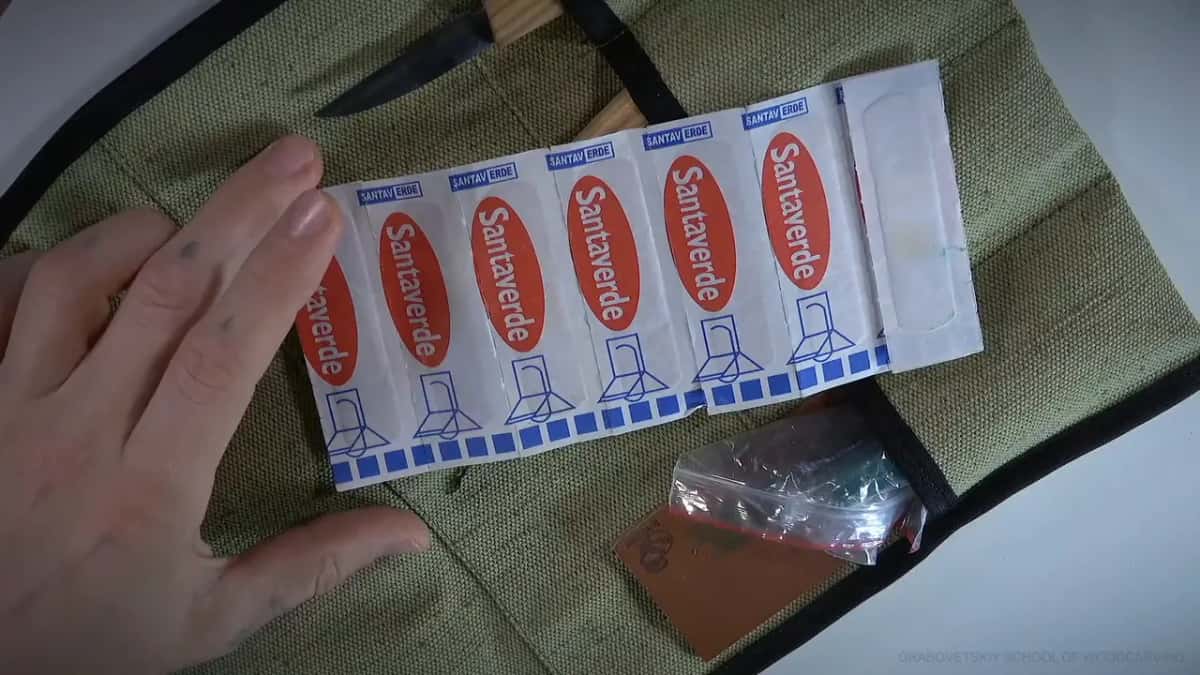
- One set arrived with Band-Aids in it. No other maker has ever put Band-Aids in a box of carving tools for me.
- The handle is the best thing here. There is a notch that sits under the hand exactly where it should.
- The outside bevel runs too high, so the tool rides on its heel and your shoulder pays for it over a long session.
- A small cavity inside the ferrule looks unfinished. It changes nothing about how the tool carves.
Who actually makes these tools?
A company in Ukraine makes them, and here is where I owe you honesty rather than a review. I was born in the Soviet Union, in the Russian part of it, and I moved to the United States a long time ago. Watching people from that part of the world start a business, build something real, and get it onto shelves in other countries is something I admire and respect.
So am I biased? Probably a little. But no, not really, and I will tell you the plain truth about what I like and the couple of things I would change. Both of those things are fixable in a single decision by somebody in their factory.
Why does the world need another tool brand?
Price is the whole answer, and it is not about competition at all. You can already buy Pfeil Swiss made almost anywhere on earth. Henry Taylor is out there. So is Ashley Iles, so is Two Cherries, so is Flexcut, which I do not use much but which sells everywhere.
Now think about a talented person who does not earn much in a month. I know that person. I was carving as a child and I could not spend forty dollars on a gouge, never mind sixty. Later, yes, I bought tools at more than twice that, and I own single gouges near a hundred and fifty dollars. Later is the important word in that sentence.
What do you do in the meantime? You can make your own, and and I have made my own. Enjoyable work, honestly. But I am a carver, not a tool maker, and every hour at the forge is an hour not spent learning your tools. I made mine because I had to, not because I wanted to.
The people at BeaverCraft loved carving and could not afford good steel either. So they asked two questions. How do you make a tool that is genuinely good, and how do you sell it to somebody who cannot pay a lot? Everything else follows from those two.
Should you just make your own carving tools?
Yes, and I have done it, and I would still rather you did not start there. Making a gouge is genuinely satisfying work. Forging and grinding my own went well enough, and I would happily spend a weekend doing it again.
But here is the trap. Every hour at the grinder is an hour not spent carving an acanthus leaf. A carver who can make tools is not the same animal as a tool maker who carves, and the difference decides where your evenings go. I made my own because I had no choice, not because I chose it.
That is the same corner the BeaverCraft people were standing in. They loved the craft, the good steel was out of reach, and rather than give up they went and made something. Whatever you think of the tools, that decision deserves respect. Most people in that position simply stop carving, and the world is quietly poorer for every one of them.

What comes inside a BeaverCraft set?
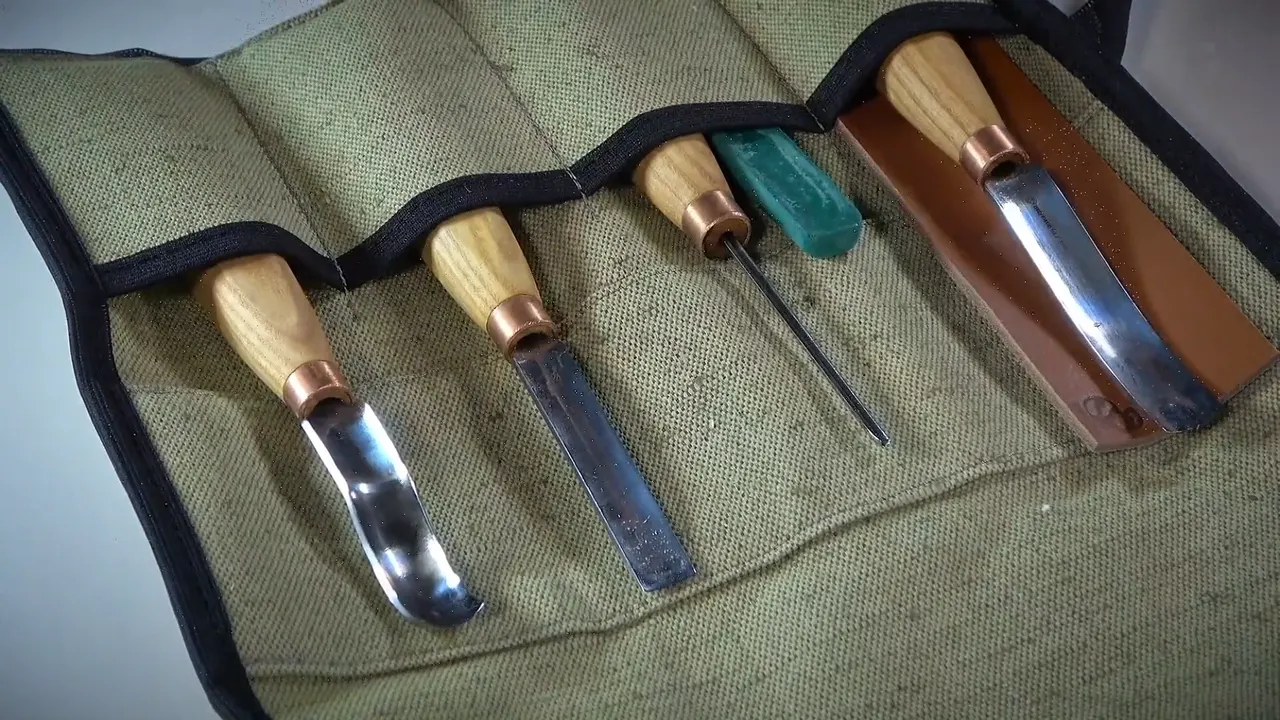
A canvas roll comes first, and I loved that the moment I opened the package. Buy a roll on its own and it costs you money. Here it is simply in the box.
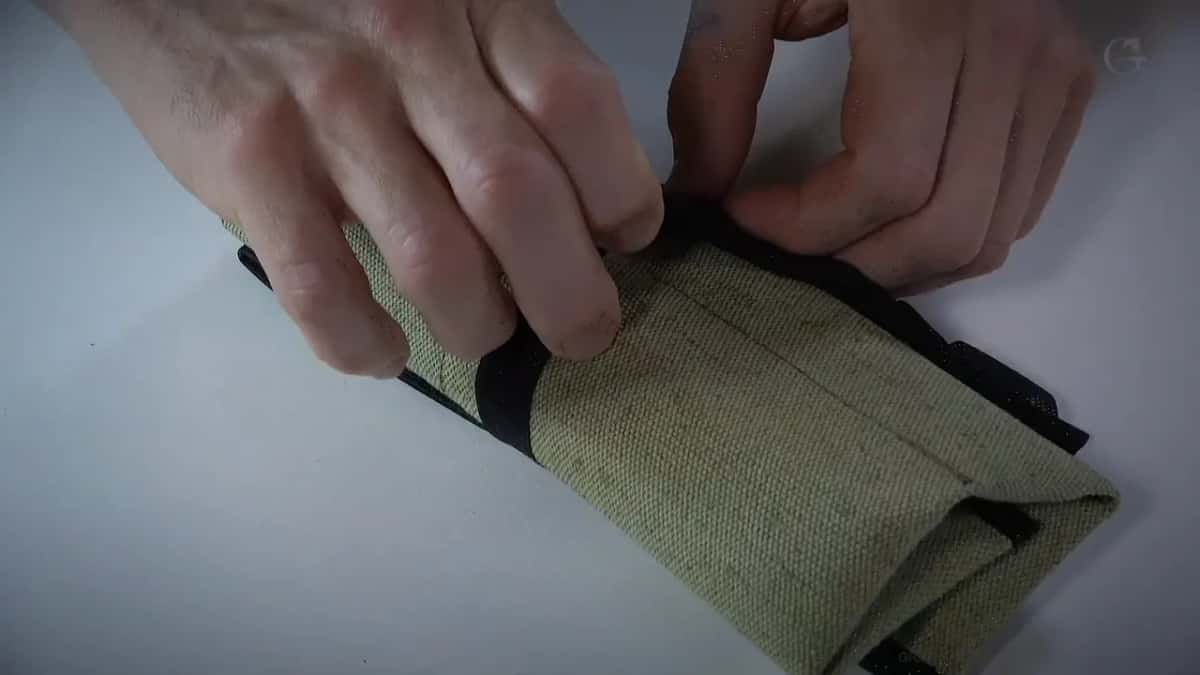
Then came the thing I did not expect at all. Band-Aids. Actual Band-Aids, tucked into the roll, waiting there for the day your hand slips off the handle. Never once have I seen another maker do that. Maybe somebody does, but in all my years I have not met it, and carvers absolutely do cut themselves. Carvers cut themselves, and I have done it so many times that if I sat down and counted honestly it would pass a hundred, and not one of those was carelessness. The nature of the work is simply that.
After that, a piece of stropping leather, thick, what I would call double shoulder, with their name pressed into it. Alongside it, green diamond compound. Buy a strop on its own and it costs you. Same with paste. Here both arrive in the box at no charge, which tells you these people understand their business rather well.
Are the knives any good for chip carving?
Knife work suits them better, and the reason is the blade thickness. That steel is on the thick side, which makes the knife comfortable in the hand for shaping and for removing stock, and less suited to the finest chip carving. Up to a point you can do chip work with it perfectly well, and I did exactly that on one piece with no trouble at all.
Do not read that as a complaint. A knife is a serious carving tool, and a great deal of my own work goes through one blade. The oldest carvers on record had nothing else. Think about a Viking on a longboat in the ninth or tenth century. You cannot bring a chest of gouges aboard a longboat. So you bring one knife, and you carve with it.

Which shapes come in the gouge set?
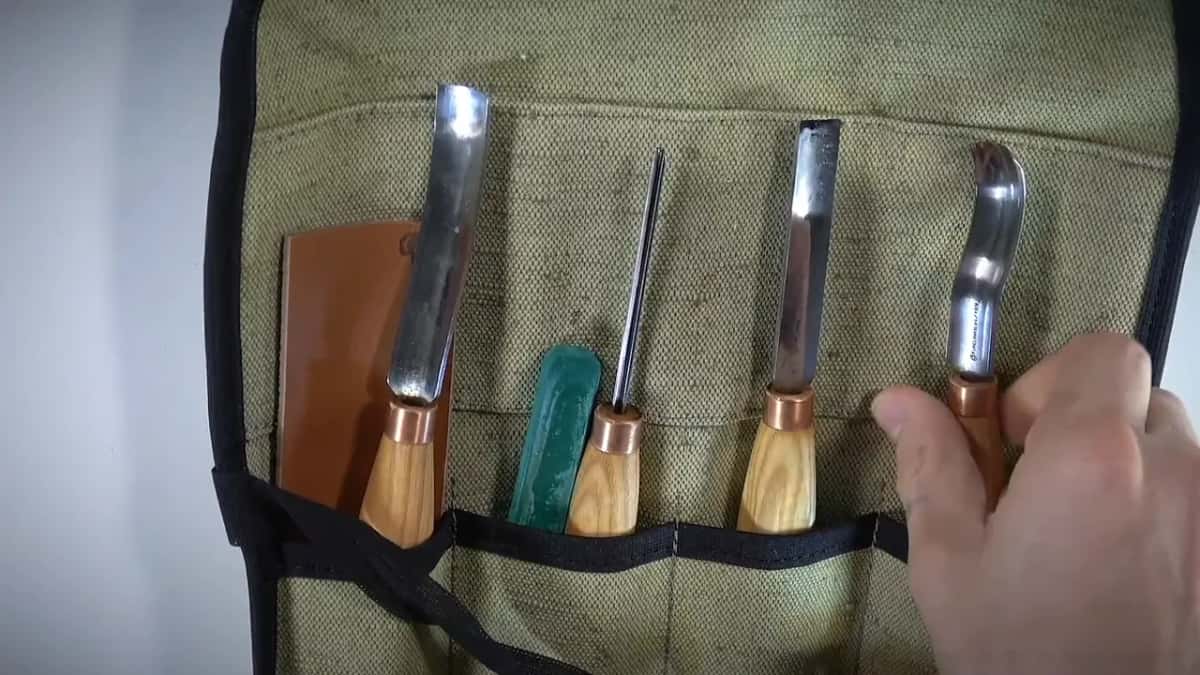
Four shapes plus the strop, and they cover more ground than four tools usually do. The roll I received held a short bent gouge, a straight gouge, a long bent gouge and a V tool, with the strop tucked in beside them.
| What arrived | What it is for at the bench | My verdict after using it |
|---|---|---|
| Knife set | Hand work, shaping, removing stock quickly | Good. Thick blade, better in the hand than for fine chip work |
| Short bent gouge | Reaching into a hollow the straight tool cannot follow | Works |
| Straight gouge | The everyday tool for most of a panel | Absolutely fine, no complaints at all from me |
| Long bent and V tool | Deep sweeps, and the line that separates one form from another | Fine, though the shapes are not quite my taste |
| Leather, compound and the canvas roll | Keeping an edge alive | Thrown in free, which I have not seen another maker do |
High carbon steel is what they call it. The recipe I cannot tell you. What I can tell you is that I carved with them and they work. Really, they work well. The shape of some of them is not quite to my taste, which bothers me not at all.

How good is the handle on a BeaverCraft gouge?
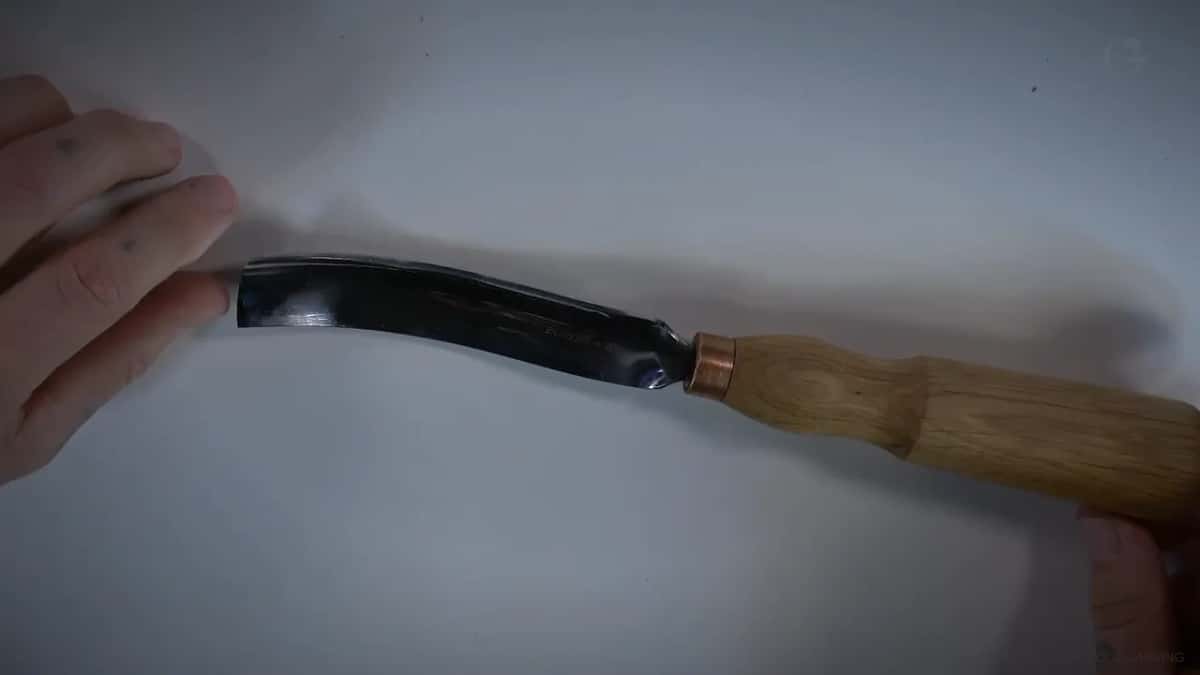
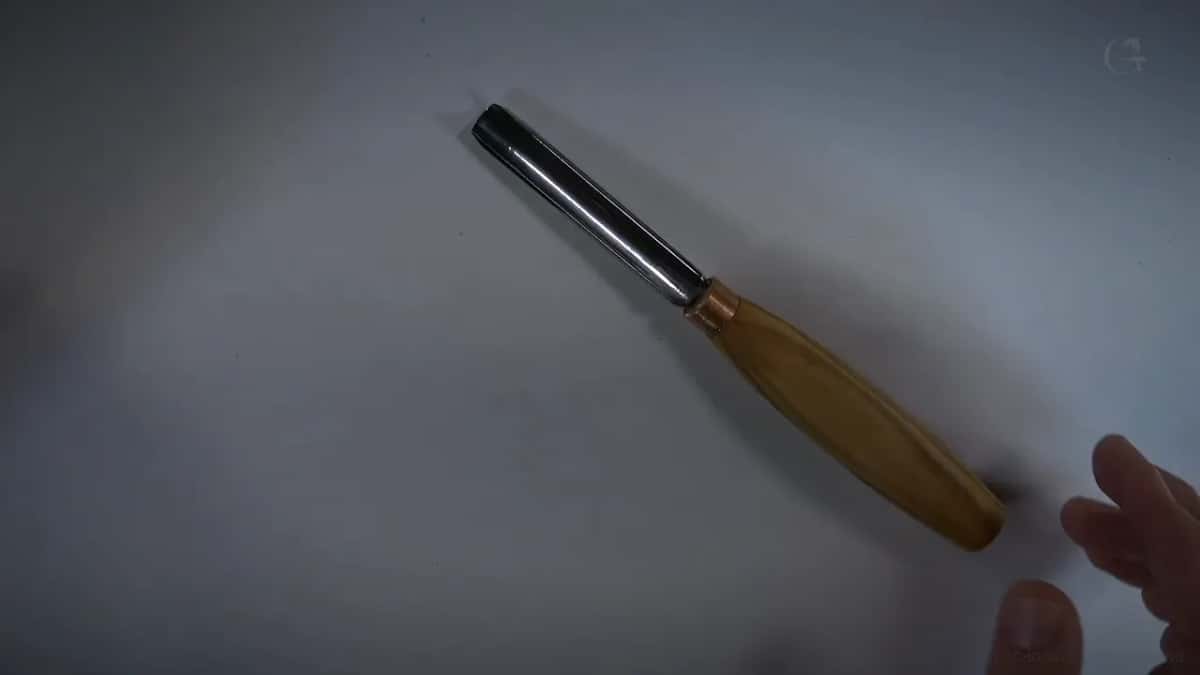
Better than most, and this is the part I did not expect to be writing. They sent a full size long bent tool as well, and the first thing to look at is the finish on the metal. Polished properly. Somebody there cares about quality, and you can see it without picking the tool up.

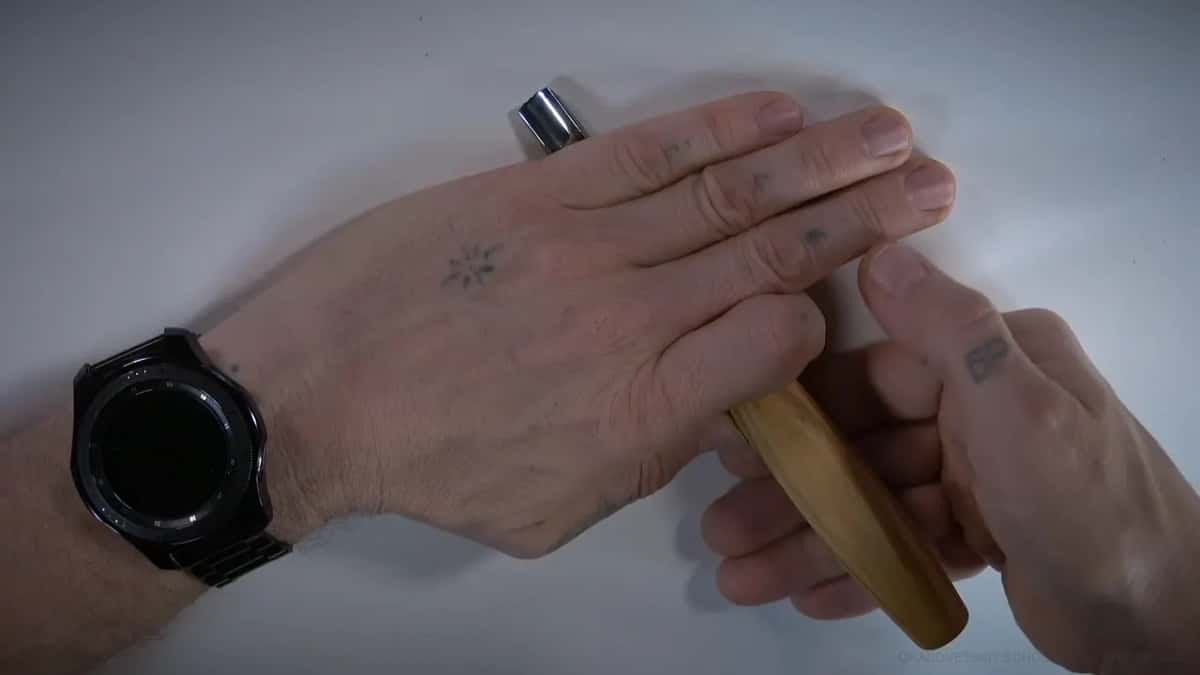
But the handle is the thing. A notch sits in the handle, and when your hand closes the palm lands right on it. Feels correct immediately. The size fits my hand perfectly. Hardwood, well shaped, and they have taken care over how the steel is set into it. Having handled a great many tools over the years, and very few makers bother with this.
Why is the bevel wrong on almost every new gouge?
Almost every maker grinds the outside bevel too high, and BeaverCraft is no exception. Exactly one brand in my experience that gets this right at the moment the tool is made. One, in all these years, and I am not going to name it here.
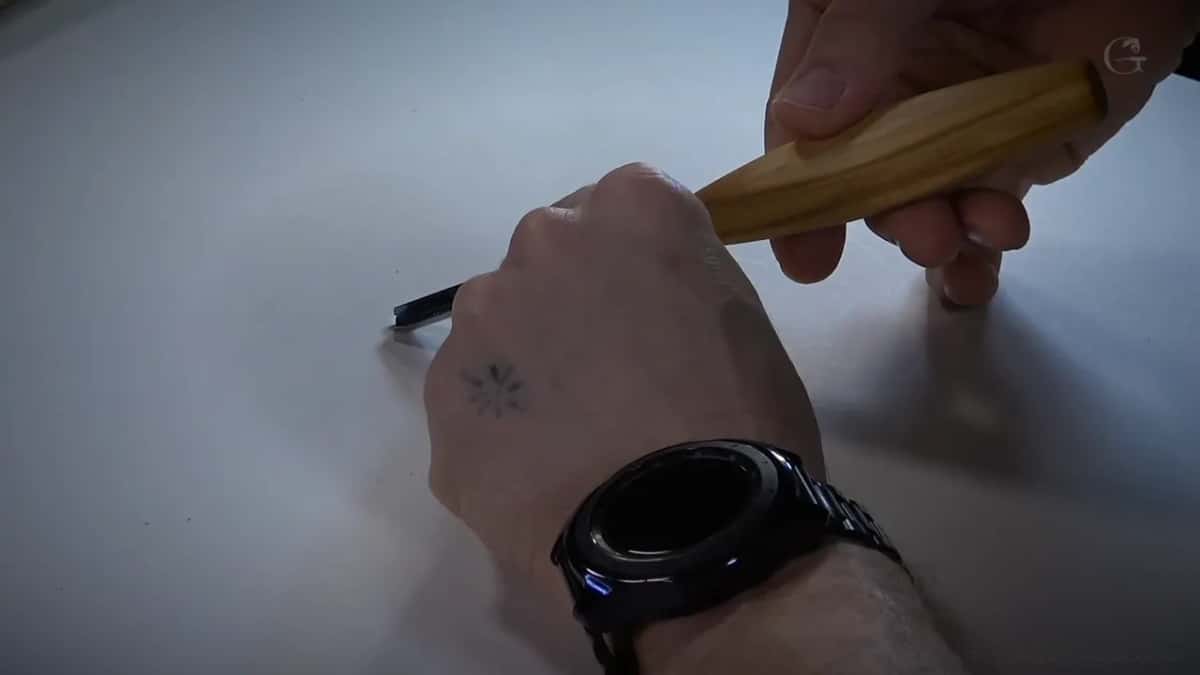
Try this on your own bench this afternoon with whatever is on your bench. Put your hand underneath the tool and hold it from below. Your knuckle should touch the wood, and from there you start carving. That is the position a bevel should allow.
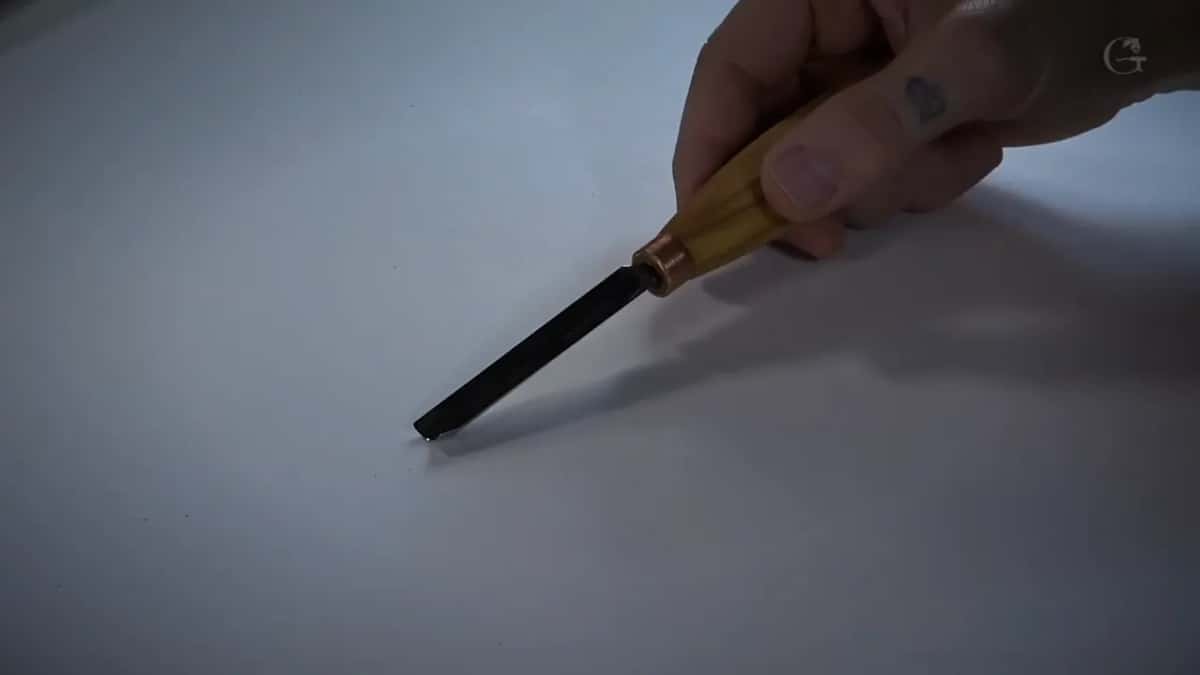
With a bevel ground this high, the edge will not reach the wood until you tilt it. To get the edge into the wood I must lift the handle, which raises the elbow, which drags the shoulder up with it. Carve like that for an afternoon and you will feel it in your shoulder that evening. I raised the tool a long way in front of the camera and still could not get the edge properly into the carving.
Now the fair part. With a mallet the bevel is supposed to sit a little higher, so the mallet clears your work. Even allowing for that, this one runs high. If the people at BeaverCraft ever read this: take that bevel down a fraction. Only a fraction. And understand it would not stop me buying the tools, because everybody else does the same thing. The whole question of what bevel a gouge wants has its own lesson, and reshaping one is a job for the sharpening course.
What else would you change?
One small thing, and it is cosmetic rather than practical. A small cavity sits inside where the steel meets the handle. If I were building these I would run some epoxy into it before setting the blade, and the whole issue disappears.
Does it matter? Not to me, no. It has nothing to do with carving and it would never stop me buying. I can fill that cavity myself in about a minute if it ever nags at me. I mention it only because I promised you both halves of the truth, and a review that finds nothing wrong is not a review.
Did they hold up on real carving?
They did, on three different pieces. The first was a Byzantine acanthus leaf, the same project I teach in person, and I put these gouges straight onto it. Unfinished in the picture, so do not judge the carving. The tools did their job.

The knives got their own trial on a second piece. Fine there too. Then I took them to a furniture panel we were working through for the online school. Very low relief, the shallow kind where a wrong move shows immediately, and they handled it. If acanthus is where you are headed, the Byzantine acanthus course and the acanthus over moldings course both start from these same shapes.

Should you buy BeaverCraft or save up for Pfeil?
Buy these and start now. If you do not want to lay out forty or sixty dollars for one gouge, I would buy from these people without hesitating, and I have said so on camera. In the United States they keep stock in an Amazon warehouse, so nothing waits on a boat. In Europe you can order straight from their own website instead.

Is it worth it? Absolutely. Honestly, I think they should charge more than they do. Although if I say that too loudly they might, and then they would sell fewer, so perhaps we keep it between us.
One last thing, and it matters more than any brand on this page. The gouge is not what makes the carving. You are. A cheap tool that somebody has sharpened properly and understands will leave a better surface than a hundred and fifty dollar gouge in a hand that has never learned why the design moves the way it does. Tools are the easy problem. They are also the one people spend years hiding behind.
So give them a try and see what you think. And if you are ready to stop buying and start carving, pick something and begin.
How it's done
- Hold the tool from underneath. Put your hand below the gouge rather than on top of it, thumb along one side, and take the weight from beneath. This is the grip the bevel has to suit, so judge every tool from here.
- Look for your knuckle on the wood. With the edge in the cut, your knuckle should be touching the surface. That contact is what steadies the tool and tells your hand how deep the edge is running.
- Watch whether it rides the heel. When the edge refuses to bite until you tilt the tool upward, it is sitting on the back of its bevel. Raising that handle drags the elbow up, and after an hour the shoulder complains.
- Allow a little more for a mallet. Struck work wants a slightly steeper bevel so the mallet clears the surface. Allow for that before you decide a factory grind is wrong, then judge what is left.
- Strop before you reshape. Charge the leather with green compound and polish the edge first. Plenty of tools that feel dull only need the burr taken off, and reshaping a bevel is not a job to start by accident.
- Take the bevel down only a fraction. When a grind really is too high, remove a little and test again on scrap. Fractions are recoverable; a bevel ground away in one session is a long walk back.
Frequently asked questions
Where are BeaverCraft tools made?
A company in Ukraine builds them, and they ship worldwide. American buyers find stock sitting in an Amazon warehouse, so nothing waits on a boat, while European buyers can order straight from the company website.
Is a cheap carving knife good enough to learn with?
Plenty good enough, and history agrees. Carvers a thousand years ago worked with a single blade and nothing else. A thicker blade favours shaping in the hand over the finest chip work, which matters less than you would think.
What is a tool bevel and why does its height matter?
The bevel is the ground face behind the edge. Ground too steeply the gouge sits on its heel, so the handle comes up, then the elbow, then the shoulder, and a long session leaves you aching for no good reason.
What to carve next