
Wood Species Guide · August 19, 2024 · Updated August 13, 2026
By Alexander Grabovetskiy — Master Woodcarver · Founder, School of Wood Carving · 22 min read
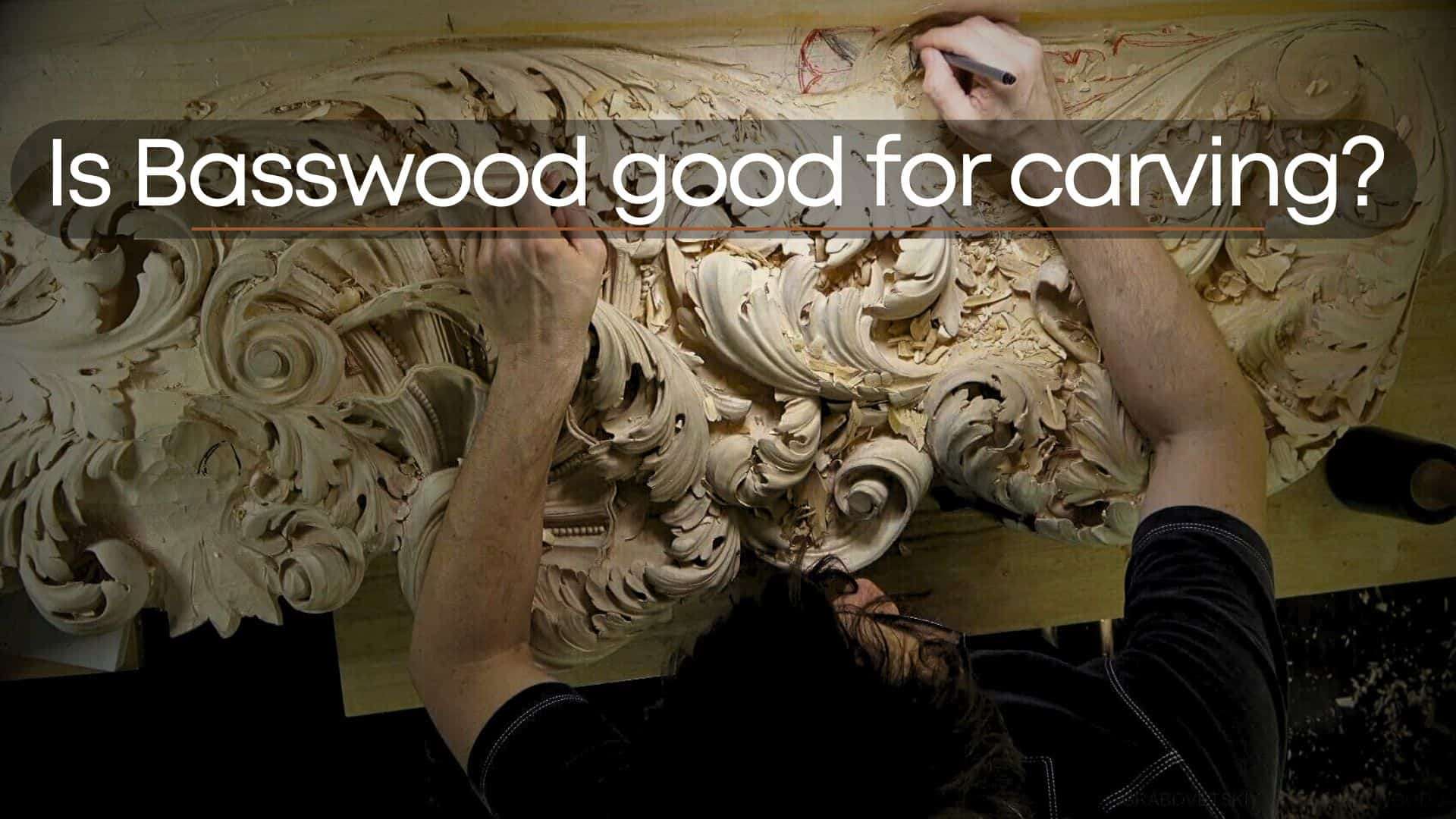
Is Basswood good for carving?
Basswood is the pale, even-textured wood of the linden tree, Tilia americana, and it is the standard carving timber across North America. I cut it most working days. It slices in any direction, keeps a fine edge crisp, and forgives a tool that has gone a bit dull.
So is basswood good for carving, or is that just the line every beginner gets handed? Both, honestly. Praise first: this wood has earned every bit of it. What almost nobody explains is the part that matters: two boards sold to you under that one name will not behave the same way. I have opened bundles where half the stack cut like butter and the other half went soft and woolly under the same gouge.
Hence this page. What the wood is, which jobs it is genuinely right for, the four where I put it down and pick up something harder, and how to read a board before you pay for it.
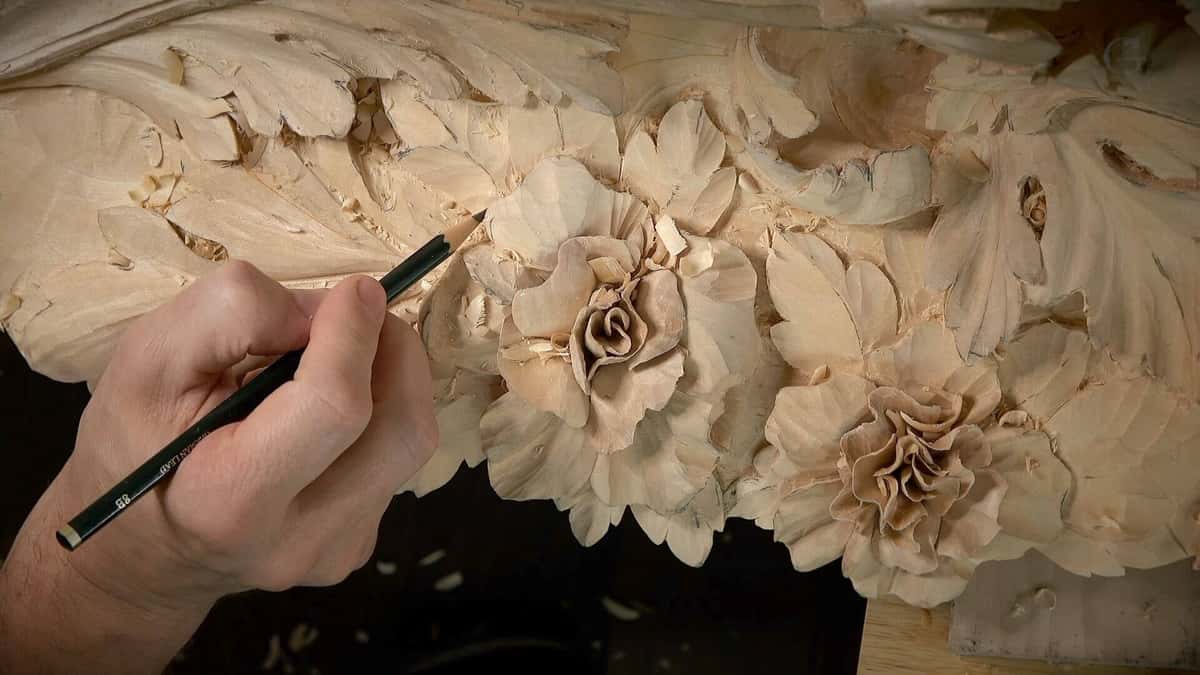
High relief roses in basswood. The undercut petals in the middle are only possible because the wood holds a thin edge without crumbling.
What should you know before you buy a board?
Six things decide whether your basswood cuts well, and only one of them is the species.
Basswood, limewood, linden and lipa are the same tree. Only the country changes.
It is soft, at 410 lbf on the Janka scale, yet it moves more in drying than walnut does.
A gray streak or a dark patch means that spot has gone soft. Cut it out or plan around it.
Kiln dried, always. I do not spend money on basswood sold as air dried.
Where the tree grew changes the board. I buy the Carolinas and Canada on purpose.
Wrong for outdoor work, wrong for wear surfaces, wrong for anything you will stain dark.
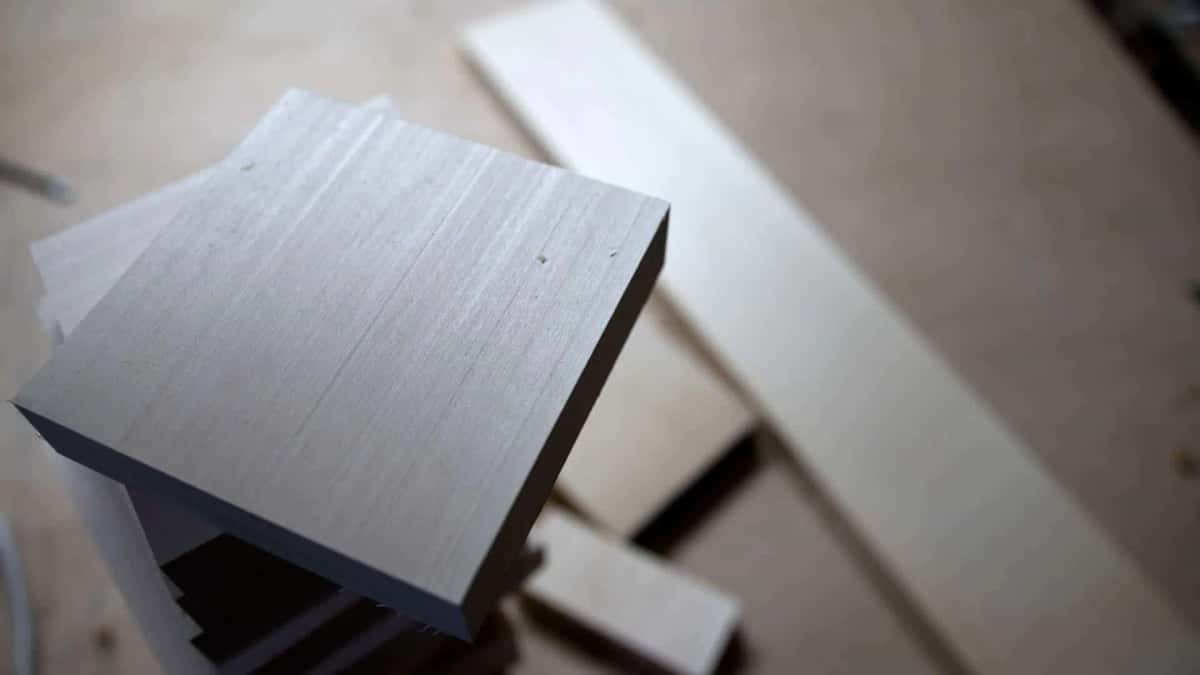
One squared blank. Everything below is about choosing this piece rather than the next one.
What else is basswood called around the world?
Basswood, limewood, linden and lipa are four names for one genus, Tilia, and carvers use whichever name their country uses. I say this in nearly every carving class I teach, because students arrive convinced they cannot get the wood I use.
Here is how it lands in my own words from a livestream: basswood if you are in the United States, limewood in Europe, linden wood in Germany, lipa in Russia. Tilia is not Portuguese, it is simply the Latin name. Look up American basswood and the name Tilia americana on Wikipedia comes straight back at you. The Missouri Botanical Garden entry for the tree lists American linden as its other garden name.
The same board I would call limewood in Europe and lipa at home.
The two you will meet most are Tilia americana in North America and Tilia × europaea across Britain and Europe. Different species, same working feel. The Wood Database entry for basswood lists lime and linden as accepted common names for exactly this reason, and the USDA plant profile for Tilia americana maps where it grows.
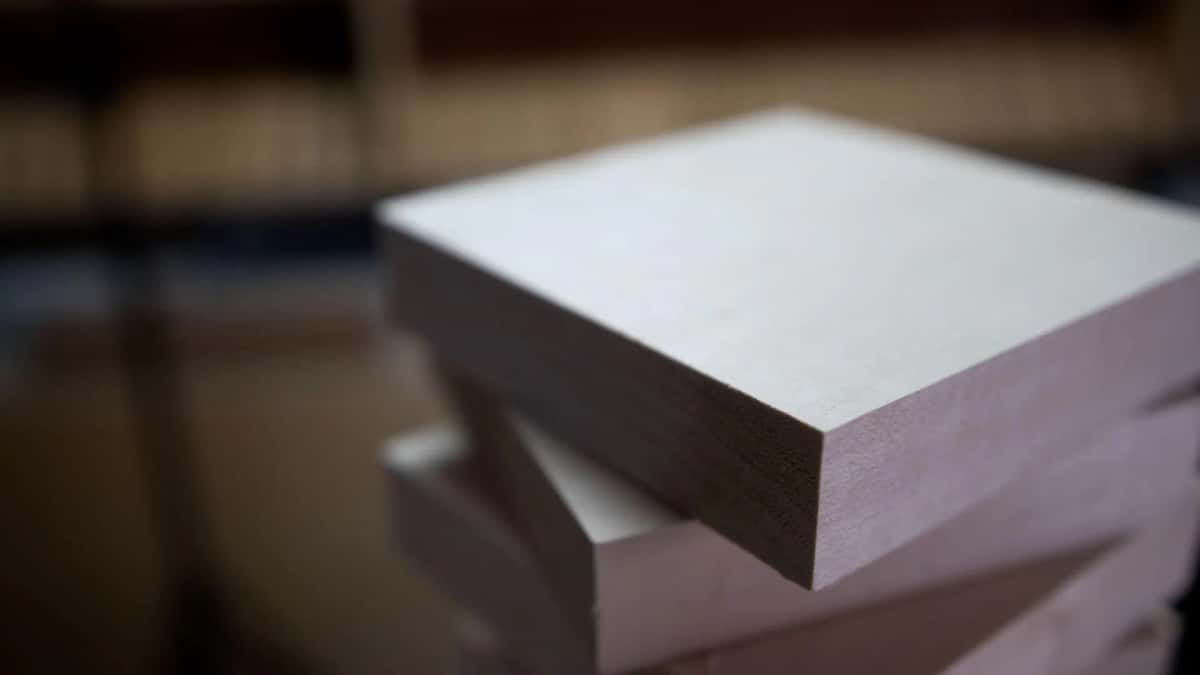
Planed blanks, edge on. Sold to me as basswood, sold in London as lime.
One name I will not use for this work is the little folk word for knife carving. Call it carving. The plank cannot hear you either way, and yet how you name the work changes how you sit down to it.
Why does basswood cut so much more cleanly than pine?
The wood is diffuse porous, with almost no figure and barely any difference between its early and late growth, so the gouge meets one resistance everywhere in the cut. Pine gives you a soft ring, then a hard ring, and your edge dives and skids by turns.
Numbers put it plainly. Basswood runs 410 lbf on the Janka hardness test and about 26 pounds per cubic foot dried. Black walnut is 1,010 lbf. Swap lime for walnut on the same furniture panel and I feel it at once, and I say so on camera: a walnut is a little harder than lime wood and basswood, so my knife is not digging too deep.
Sapwood and heartwood are barely distinguishable in basswood, which is why a carved leaf reads as one object rather than a striped one. David Esterly, who spent a year replacing a lost Grinling Gibbons carving at Hampton Court, put the reason better than I can in The Lost Carving:
But limewood is a patrician medium that, treated correctly, really will be an obedient servant.
Treated correctly is the whole sentence. Treated carelessly, that very same board tears out under the gouge.
Strength is a different question from hardness, and the numbers turn against basswood there. The modulus of rupture is 8,700 lbf per square inch, about 60 MPa. Stiffness, measured as elastic modulus, comes to roughly 1.46 million lbf per square inch, and crushing strength stops at 4,730. Walnut beats it on all three. So I glue basswood ornament onto a harder carcase rather than ask it to be the carcase.
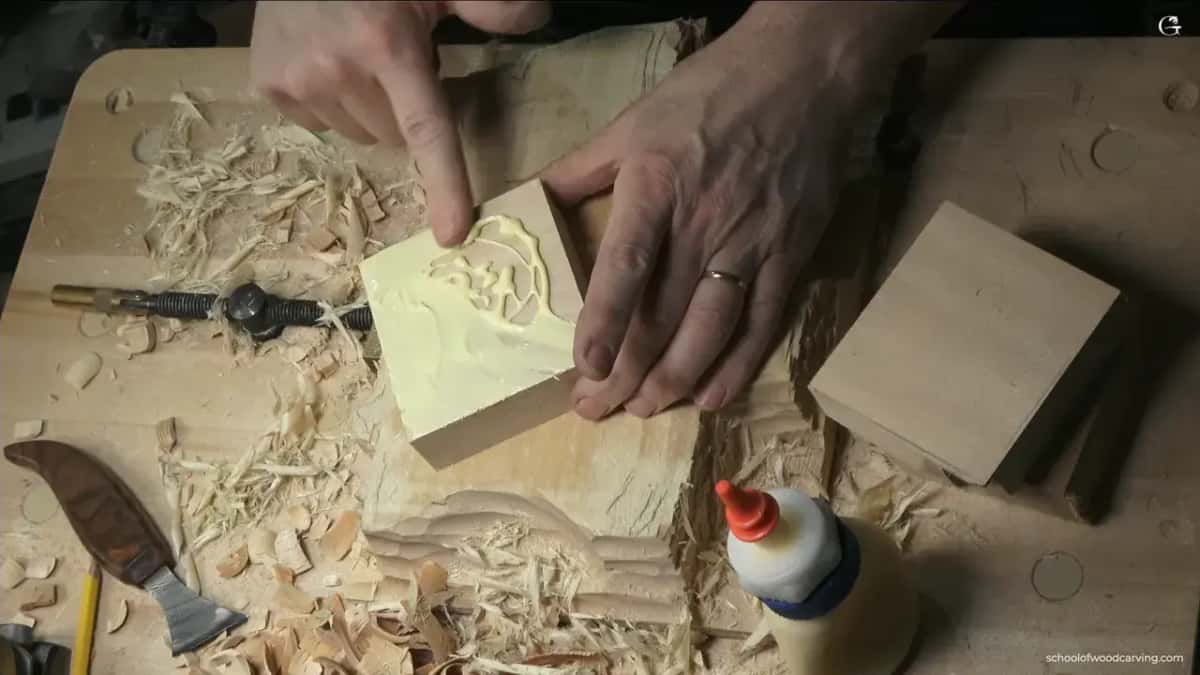
Glue swirled across the back of a blank. The ornament is basswood, what carries it is not.
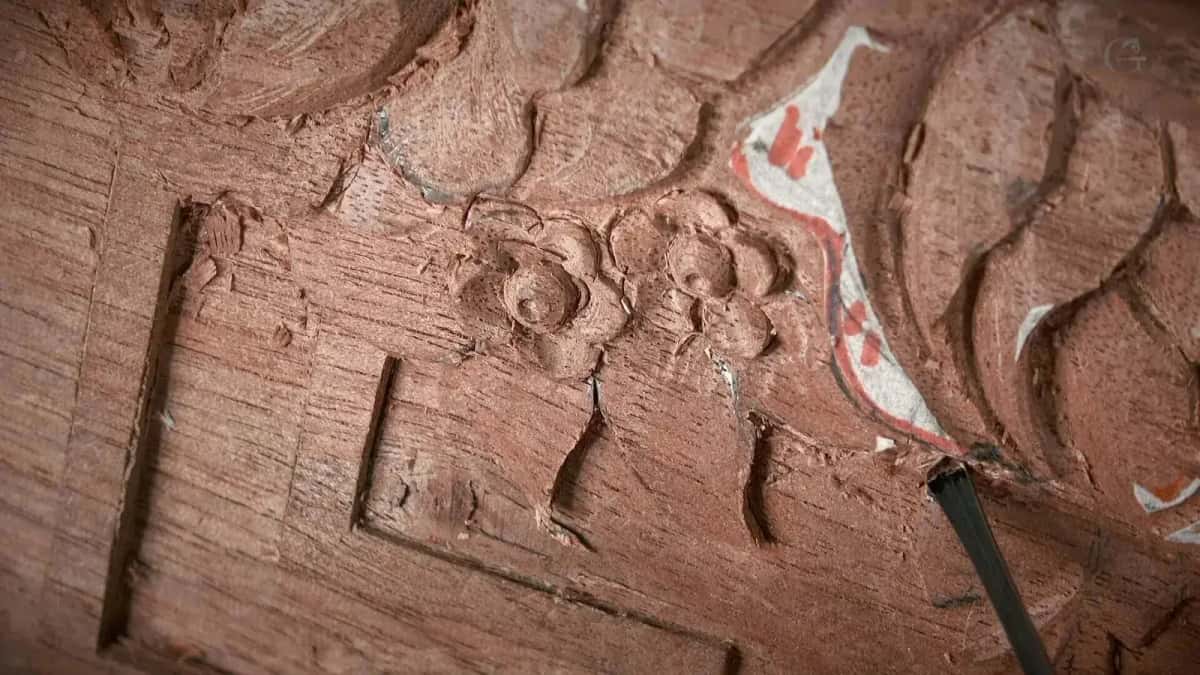
This is not basswood. Coarse open grain, and the small flowers tore rather than cut.
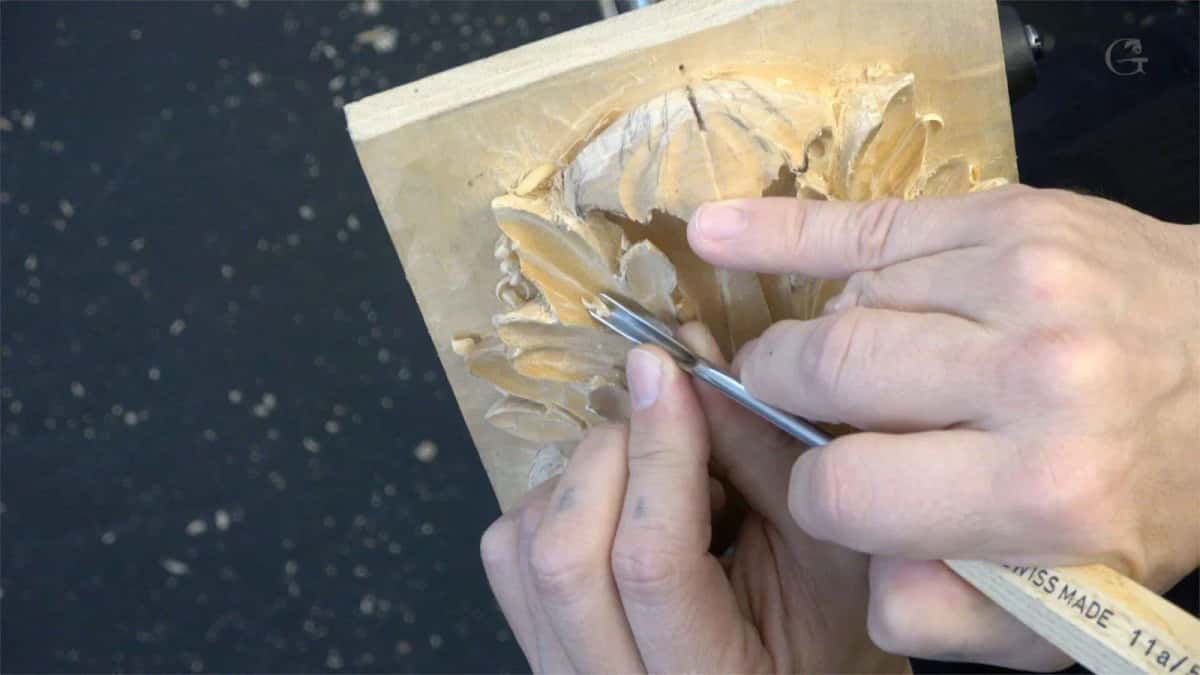
A Pfeil 11a going in for the last detail.
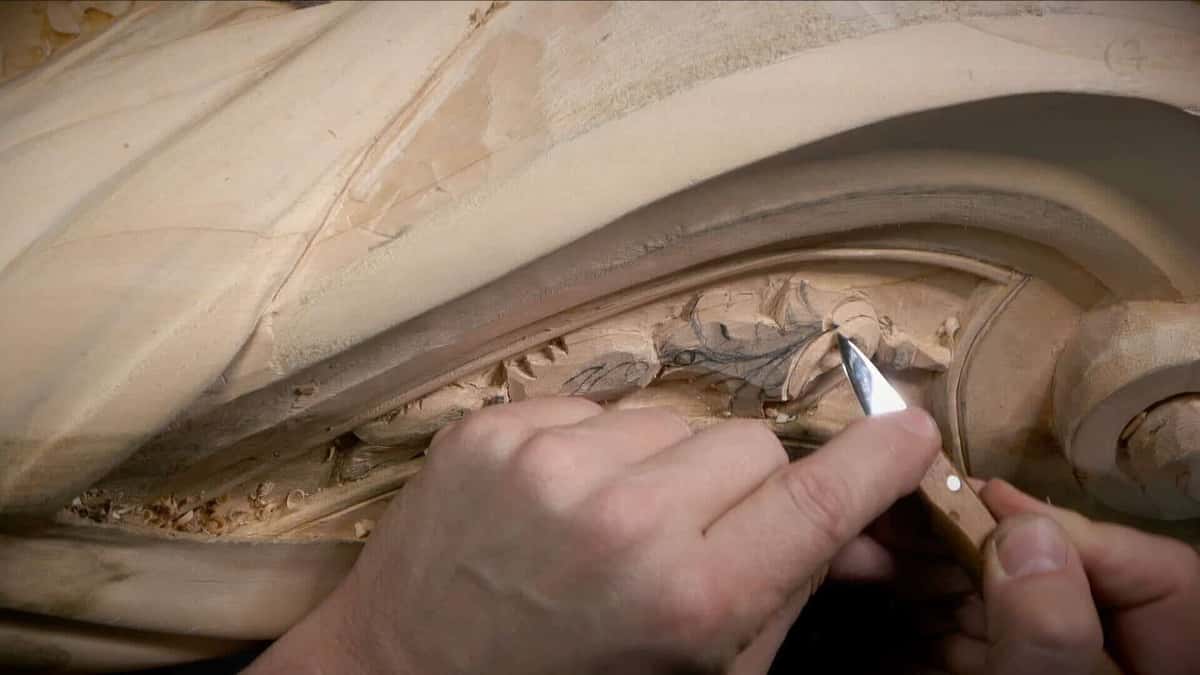
Small ornament inside a big scroll. Basswood lets me change direction mid cut without the grain grabbing the blade.
Which carving jobs is basswood actually right for?
Basswood is the right wood for relief, for ornament, for lettering and for painted figures, and the wrong wood for anything that gets touched, walked on or rained on. This table is how I decide, after about forty years of picking one board over another.
The carving job | How a good basswood board behaves here | My call | What I would reach for instead |
|---|---|---|---|
Low relief ornament | Holds a crisp edge and carries deep shadow | Best choice | Nothing, this is its home ground |
High relief foliage | Carries thin undercut petals without crumbling away | Top pick | Nothing else comes close for this |
Incised letter carving | Crisp across grain, fuzzy along the stem | Good, careful | Butternut or cherry for small text |
Figures for paint | Cuts fast and takes gesso very evenly | My default | Nothing, painters chose lime for centuries |
Chip carving patterns | Chips release with a click when sharp | Very good | Butternut when you want warmer colour |
Handled furniture parts | Dents under a thumbnail, bruises at edges | Avoid it | Walnut, oak, mahogany or hard cherry |
Spoons and bowls | Drinks water, furs up, will not wear | Never here | Cherry, birch, maple, any dense fruitwood |
Outdoor garden pieces | Rots fast and greys within one season | Wrong wood | White oak, teak, cedar or cypress |
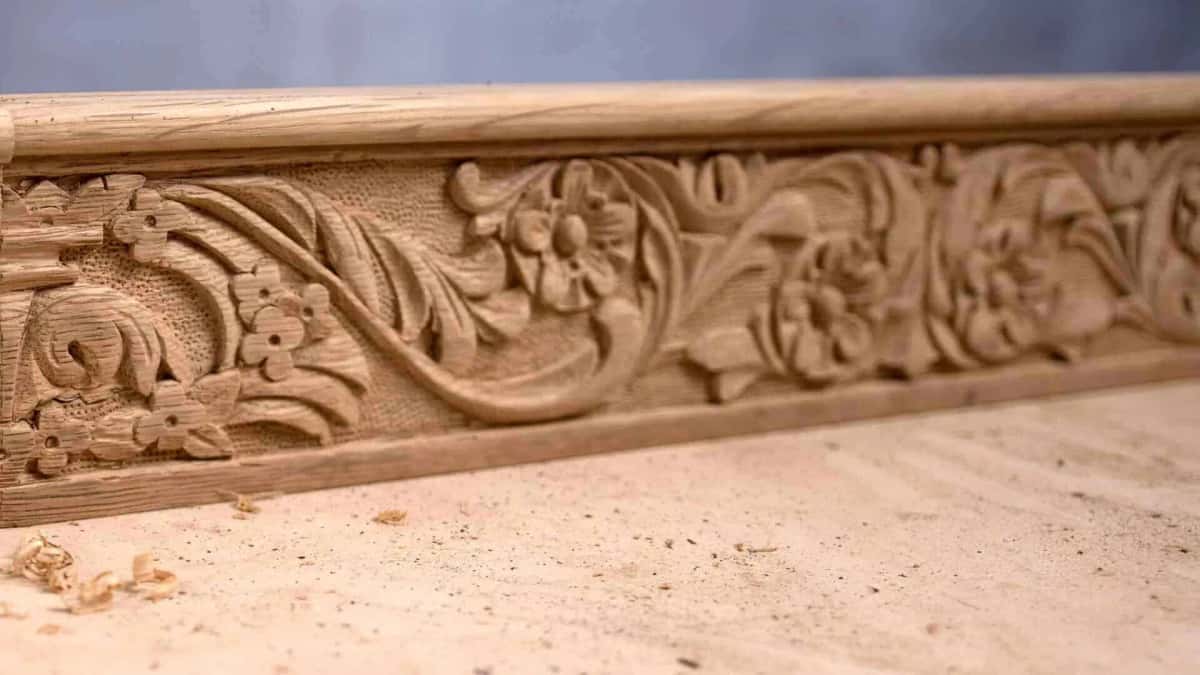
Low relief over a punched ground, and basswood takes that stipple without crumbling.
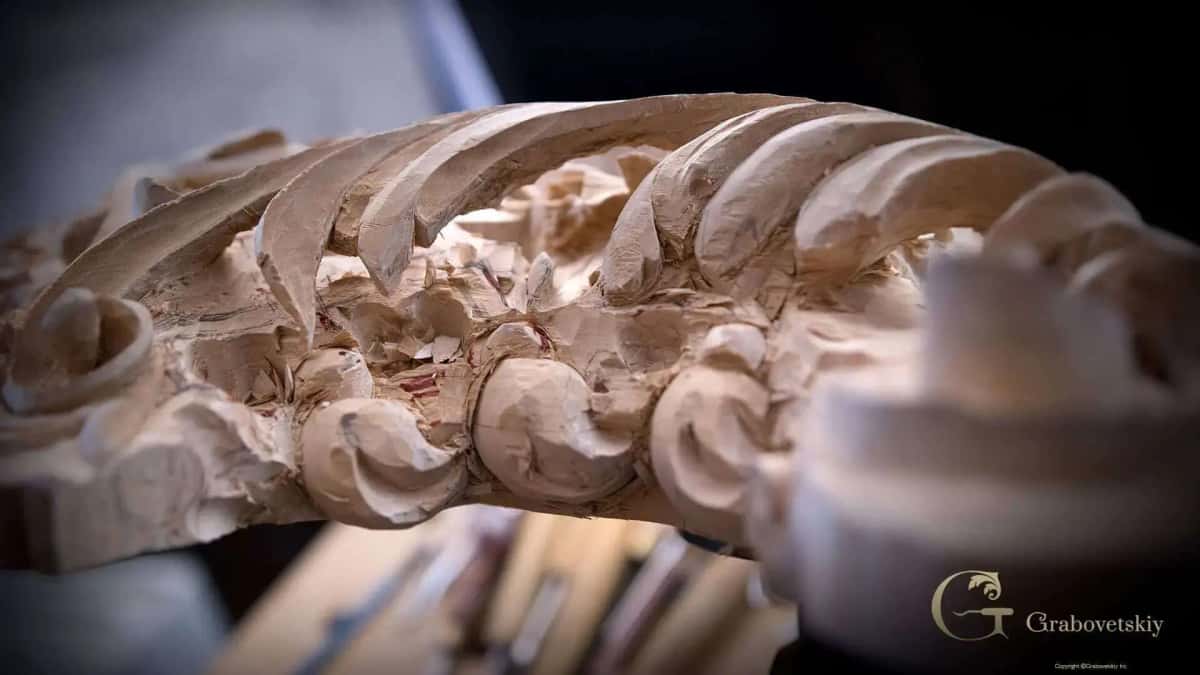
Raking light, and the tips throw real shadow.
The painted figure row is not my invention. Across Europe after the fifteenth century the finest church carving moved to lime, and the reason was partly that lime under paint stayed put. Tilman Riemenschneider then did the thing nobody expected and left his limewood bare, which I wrote about in the post on his unpainted limewood altarpieces. For the scholarship rather than my summary, Michael Baxandall's The Limewood Sculptors of Renaissance Germany is the book, and I have mentioned it in class as the history of German carving worth owning.
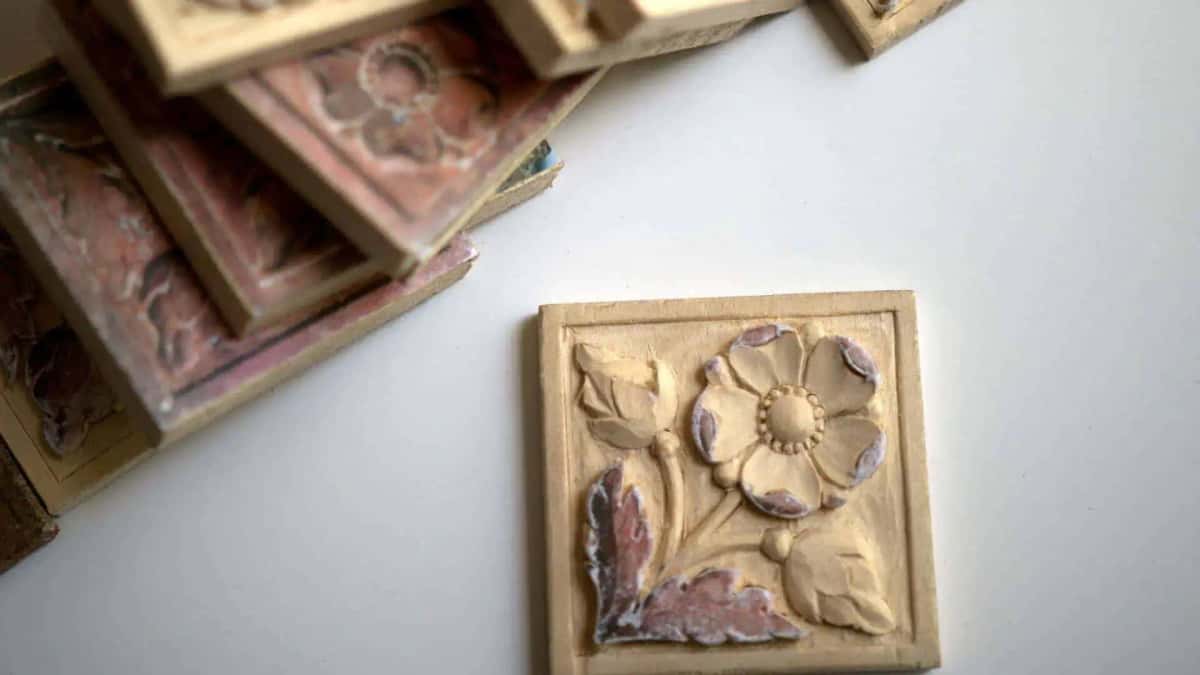
A fresh tile in front of the worn painted originals it replaces. Paint sat on this wood for a century.
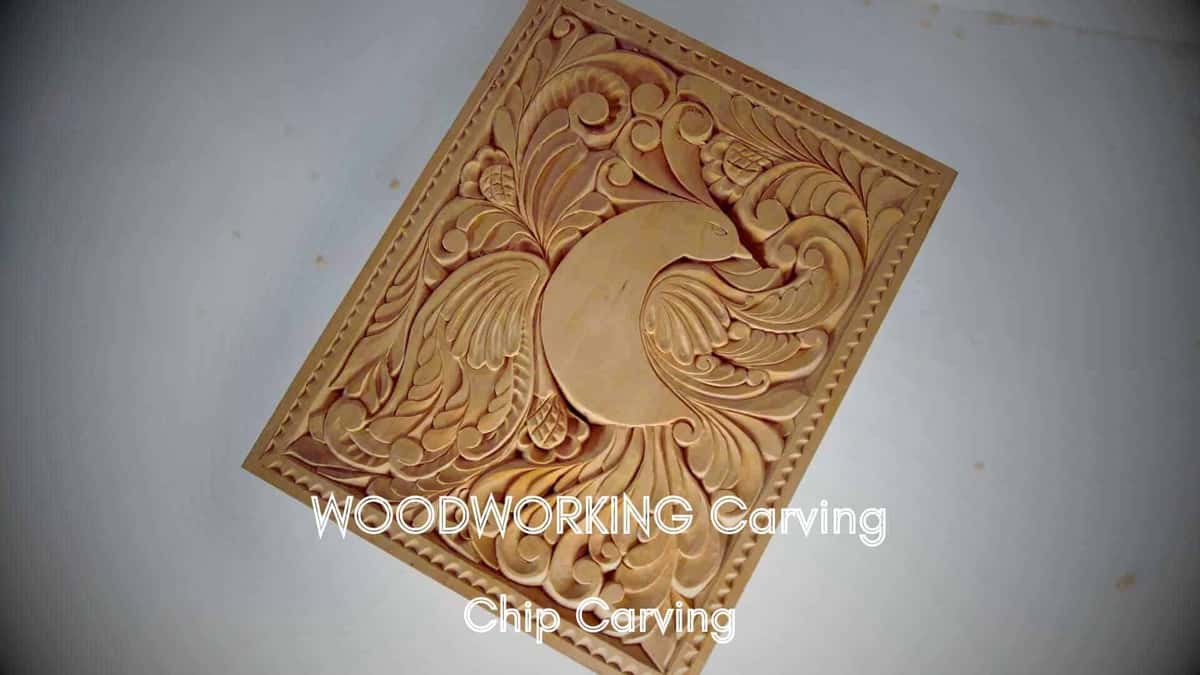
A bird panel with a chip carved border. Every one of those small triangular cuts has to release in one piece, which is a fair test of a board.
Beginner work sits in the top half of that table for a reason. Still choosing a first project? My guide to what to carve as a beginner starts you on the cuts this wood rewards. The beginner carving course works through them on basswood from lesson one, and the butterfly plate is where most students first feel the wood cooperate.
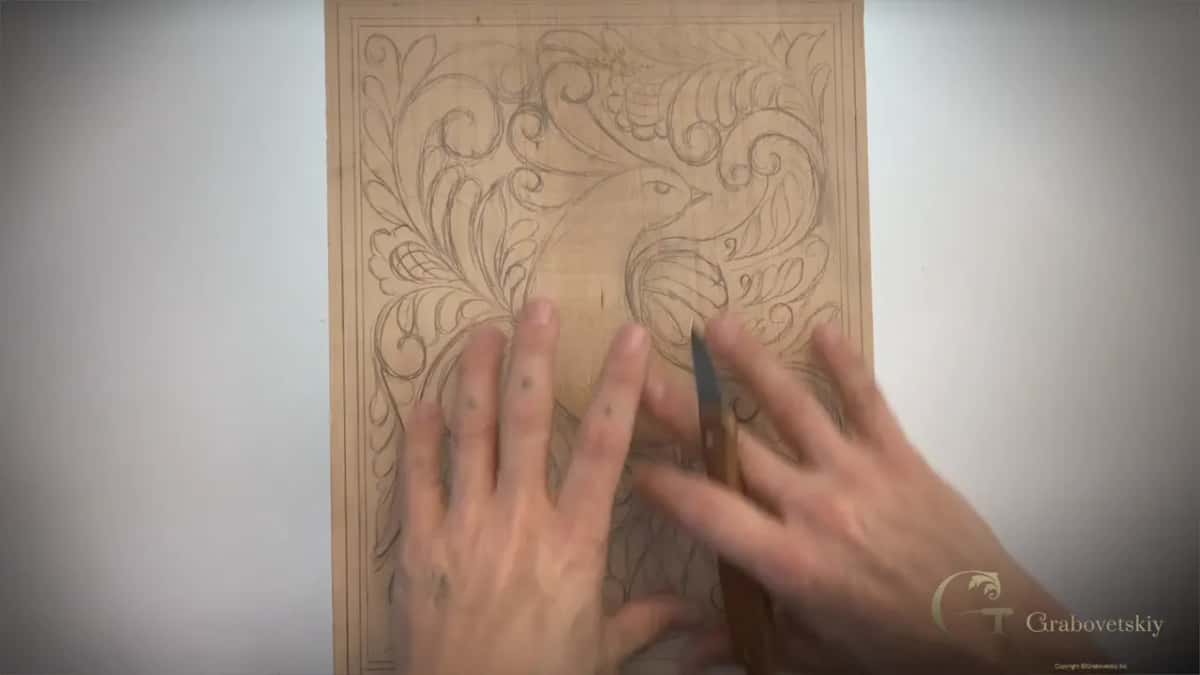
The whole design in pencil first, before a single cut.
Why do two basswood boards behave so differently?
One species grown in a wet climate builds a different board from the same species grown dry, and the mill sells you both under the one name. Years of buying taught me this, and it is the reason I get picky.
The tree grows over much of the eastern half of the continent, southern Canada included, as the Forest Service silvics account of Tilia americana sets out. That is a lot of different weather falling on one species.
The Forest Service ecology summary for the species notes how strongly it favours damp, rich ground, and that is the mechanism behind everything below. Washington State lumber is the clearest case. Where I have looked at limewood from there, the rain almost never stops, water keeps getting into the tree, and the roots pull colouration up out of the ground with it. What you find inside the board is grey lines running through the wood. Not always. Often enough that I stopped buying it.
So I choose South Carolina and North Carolina basswood, because I almost never see those grey streaks in it, and I like Wisconsin stock too. Given the choice, I lean Canadian: more forest, less pollution, honestly good lumber. My preference there was built from opened bundles, not from a lab result, and you should treat it as exactly that.
One board taught me this better than any of it. A South Carolina plank, straight and pale, with a single grey line running out of one end. I cut the panel so the line fell in the ground I was going to cut away. It disappeared into the shavings. Waste a board like that and you have thrown away money, but plan around the streak and you have lost nothing at all. That plank comes back twice more below.
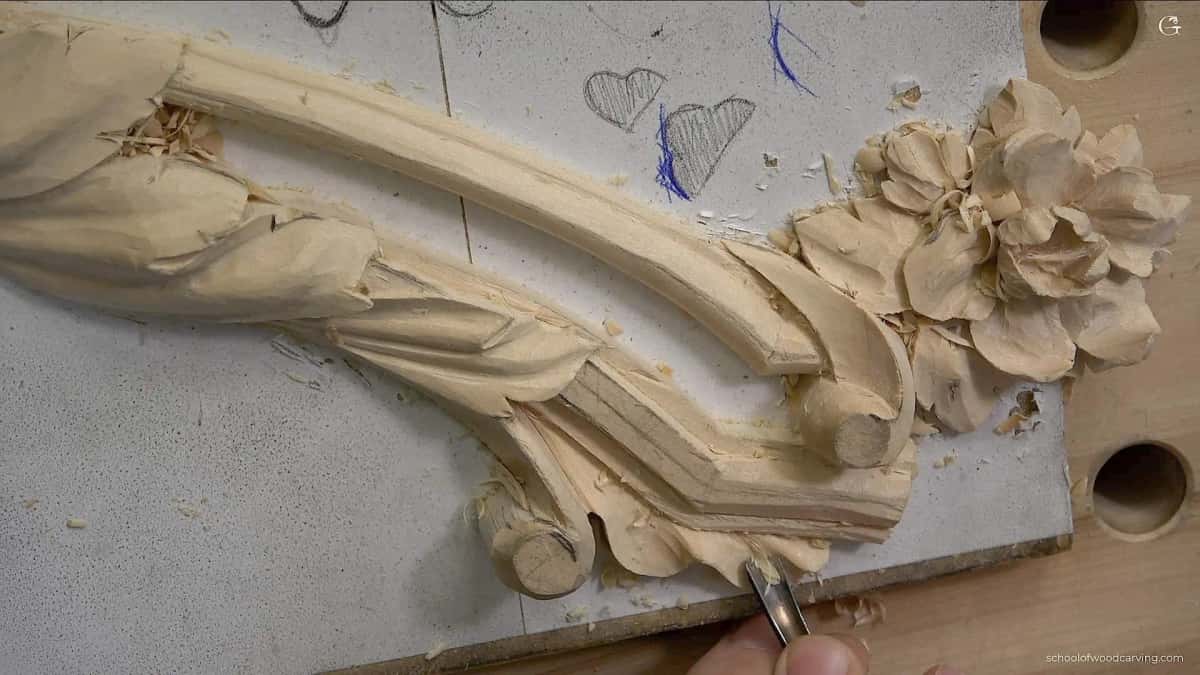
Same species, one board, and the peony at the end came out of the densest part of it.
What does a dark spot or a grey streak really mean?
A dark patch in basswood marks wood that has gone softer than the board around it, and your tools have to change before you reach it. Here is how I put it while carving on a livestream.
When you see a dark spot on the lime wood, that means it is already a lot softer wood, and you really have to be careful what tools you are using.
Softer is not automatically ruined. In one Venice Room workshop I hit exactly that and said so out loud: if you know a little about the property of basswood, you know that when you see the dark spot like this the material is a little mushy, which is absolutely okay. Okay meaning I adjust. A shallower gouge, a lower angle, no mallet.
What ruins it is spotting that runs right through where your detail has to be. Some people love a spotted board, and in maple that figure is worth money. In basswood it just goes mushy, too soft, and the detail you cut there will crumble the first time somebody touches it.
The reverse happens too. Sometimes a board turns up much denser than is really common for basswood, or simply a difficult piece, and the fix is the same both times: read the board first, then choose the right tool for it. Sharpening matters more here than in any hard wood, because a dull edge does not cut soft fibre, it pushes it over.
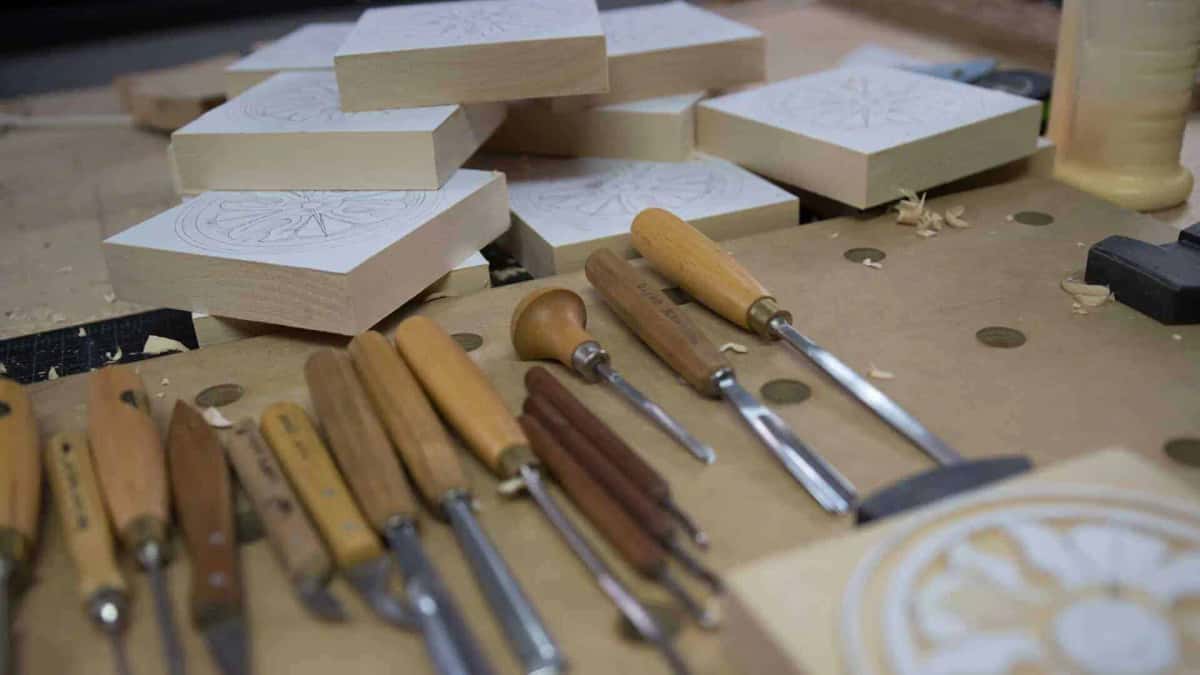
Reading the board first decides which of these I pick up.
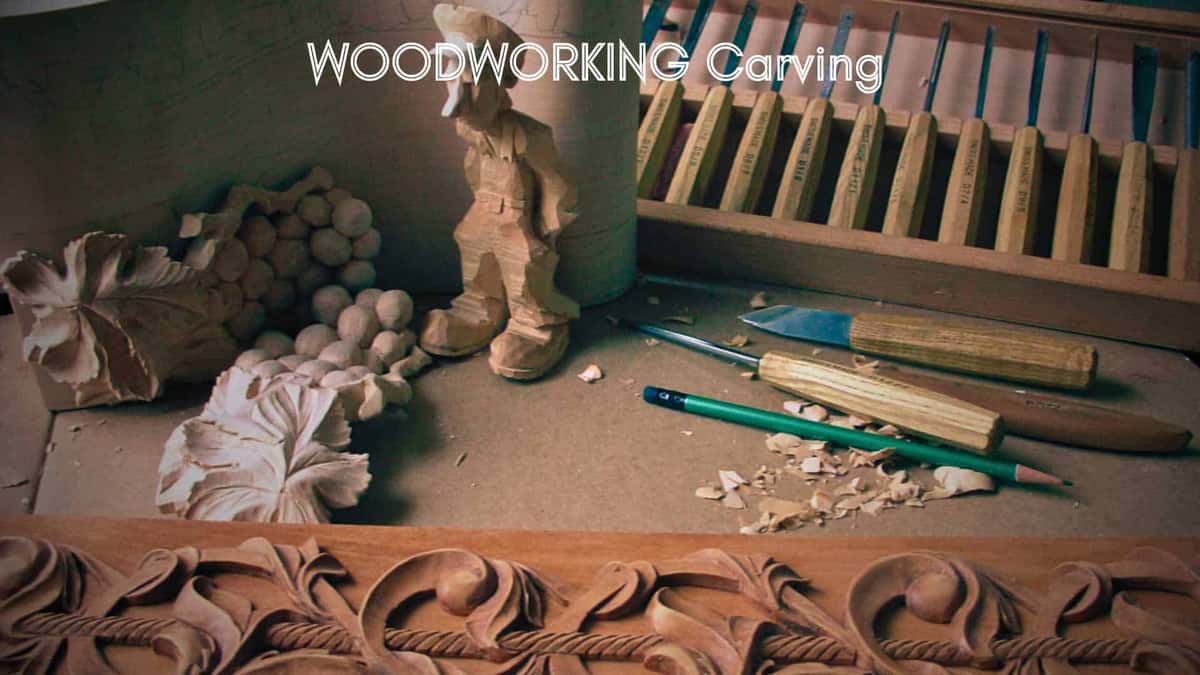
Pale basswood work at the back, a carved moulding in a darker wood along the front. One bench, one set of tools, two completely different jobs.
Should you carve basswood green or dry?
Dry, and specifically kiln dried. That is not a rule I am willing to soften for anybody. Wet wood is going to move after you have finished cutting it, and every fine edge you cut into it goes with the movement.
Asked directly on a livestream whether I work with wet or dried wood, my answer was that I like to use only dry wood, and I never work with the wet wood. I go further on buying: I would not spend money on air dried basswood, because most of the time nobody really knows whether it ever sat in the air at all. Some companies genuinely do sell it, mostly to instrument makers and lute builders. For carving I buy kiln dried, then let it sit in my own shop and try it myself.
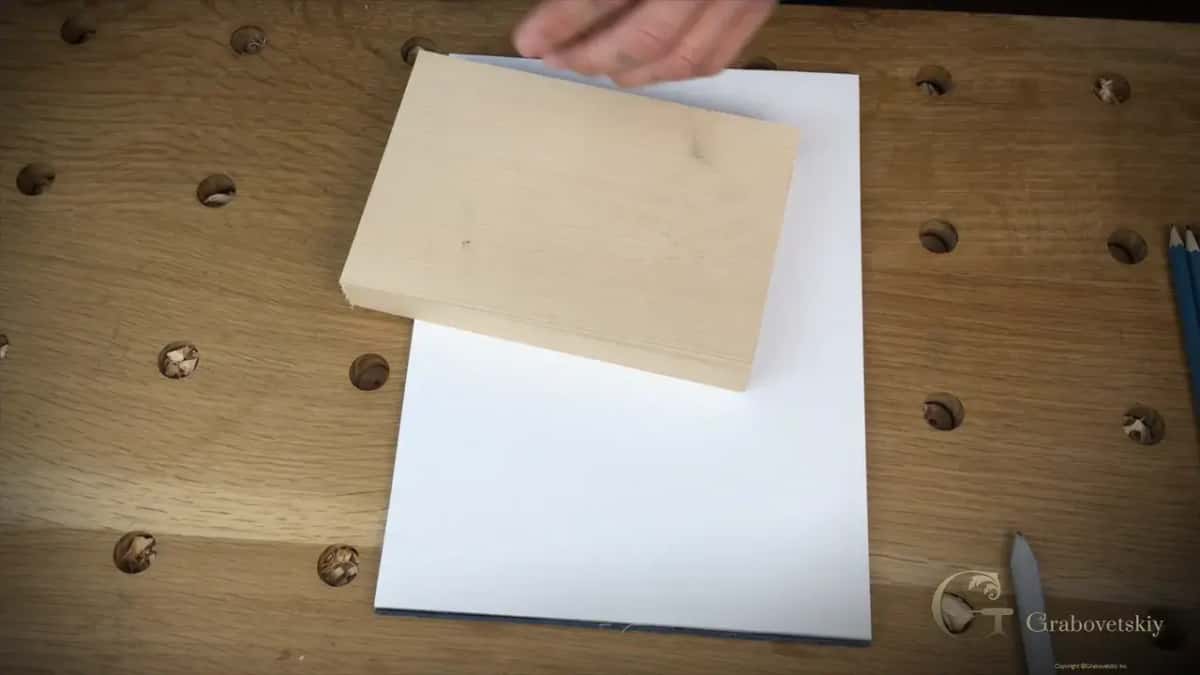
Dried in a kiln, and then months on the bench before I cut it.
Then there is the part almost nobody does. I get basswood years ahead of a project, in big chunks, truckloads at a time, because there are two kinds of dryness and the second one only happens in the room where the wood will live.
Now the numbers say why I bother, and they are not what you would guess.
How much does basswood move with the seasons?
More than walnut, which surprises almost everyone. Basswood shrinks 15.8 percent by volume between green and oven dry, against 12.8 percent for black walnut and 10.6 percent for butternut.
Those figures come from the test method set out in the Forest Products Laboratory wood handbook, and you can read them per species in the Wood Database species filter.
Read that next to the softness and you get the real character of this wood. Soft to cut, but restless while it dries. Once it is properly dry and has settled in your shop it behaves, and that is the whole reason I stack it years early instead of carving fresh stock.
The failures that follow from ignoring this are ordinary and avoidable: a panel that cups after it is glued up, a long moulding that bows off its ground, a joint that opens over one winter. I set that out separately in the guide to wood warping and cupping. And if the piece is going outside, basswood is simply the wrong answer, which is the argument of my notes on weatherproof carving.
That plank from South Carolina had been in my shop three years before I touched it. Three years is not patience. Call it insurance.
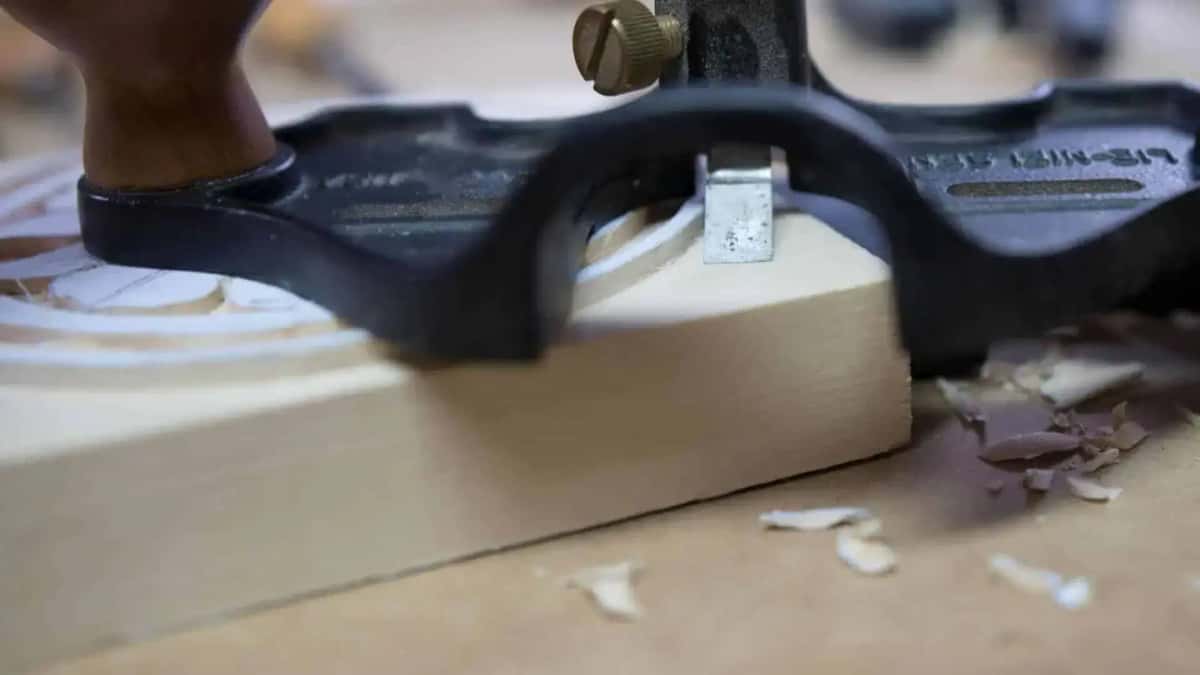
A sunken ground has to stay flat, which only happens on wood that has finished moving.
Where do you buy basswood, and what does it really cost?
Small amounts come from a woodworking retailer or a marketplace seller, and real quantity comes from a hardwood lumberyard that supplies furniture makers. Somebody on Instagram asked me for a good supplier of basswood blanks, and it depends entirely on where you are, so here is the whole ladder I gave.
Step 1, try a woodworking retailer for one board
Woodcraft will always sell you basswood. It will be expensive, and I want to defend them on that, because they are not making much money on basswood. What you are paying is the cost of shipping a bulky low-value timber to them and then out to you.
Step 2, find the seller behind the marketplace listing
Look on a big marketplace and you will see people selling basswood planks. Find out which company is actually behind the listing, contact them directly, and ask whether they will sell to you with a discount. Most of the time they are just business people, and like everybody else in business they are really open to it. You are cutting out a fee, not asking for charity.
Step 3, walk into the contractor desk, not the aisles
In the United States or Canada, walk past the aisles to the pro desk where the contractors are, and ask whether they can get basswood in. Usually they can. They search their vendor lists, find somebody who will sell to them, and sell it on to you. Those vendors mostly do not sell to the public at all, which is why the aisles never have it.
Step 4, go to a hardwood lumberyard that serves furniture makers
This is where the price falls. Not a construction yard, because basswood is a specialty wood and they do not stock it for builders. Search for a hardwood lumberyard, one that sells to furniture and cabinet makers, and ask. If they do not carry it they can usually get it. Much cheaper than any retailer.
Step 5, understand the minimum before you call
They cannot sell you one board. There is a minimum, and in my case it used to be 300 dollars and it is now up to 500. I buy far past that anyway, thousands of dollars in a single batch, and the reason is freight: at that size they send a semi truck to my shop and the shipping is already inside the price.
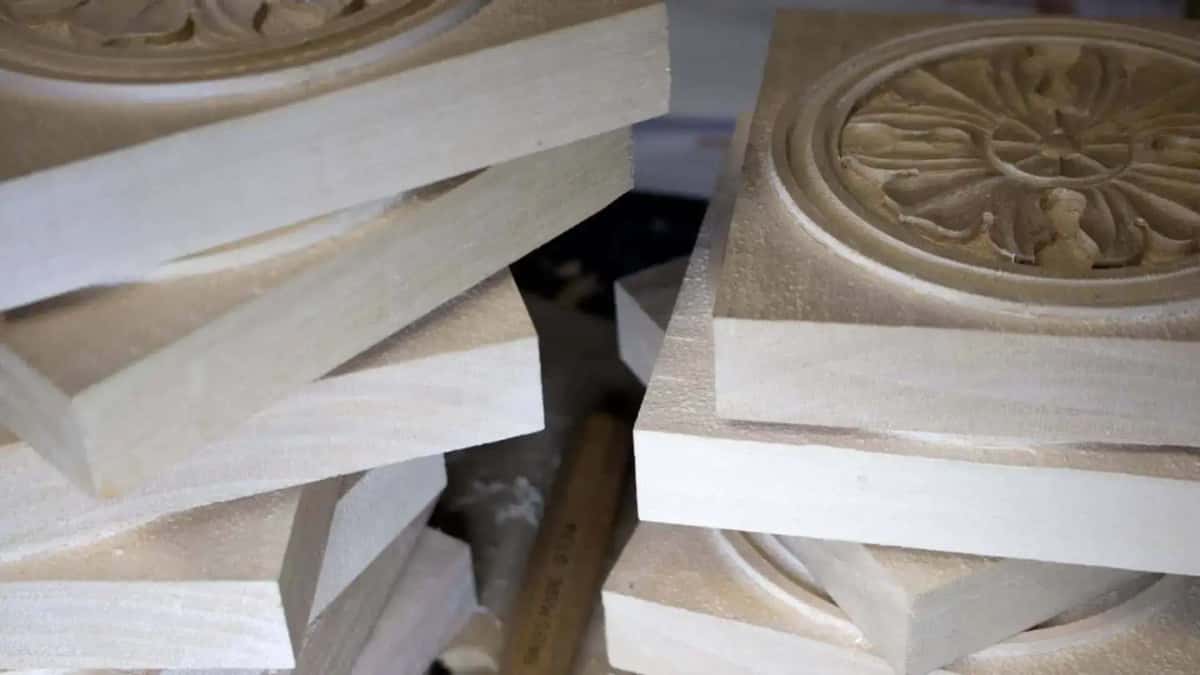
What a minimum order looks like once somebody has sawn it into blanks.
Where you live decides how much of this ladder is even open to you. In Florida you really cannot find any basswood locally, so I place a special order with a hardwood lumberyard and they get it for me. Students of mine in Australia and New Zealand cannot get basswood at all, and that is not a sourcing problem you can solve with a better phone call. Buy the closest local Tilia, or carve a different species well.
Which is basswood really, a beginner wood or a master's wood?
It went the other way round from the story you have been told: the greatest carver in the English tradition adopted lime at the height of his career, and beginners inherited it afterwards. Get this backwards and you will treat the wood as training gear you are meant to grow out of.
When Grinling Gibbons arrived in England, oak was the dominant medium. He brought his continental training and introduced limewood, and the softer wood with its tight grain and pale colour gave him freedom that oak never could. The pierced, layered festoons at Saint Paul's Cathedral and the swags at Hampton Court exist because he changed wood. Those carvings are still there: you can read about them at the Grinling Gibbons Society and see them at Saint Paul's Cathedral.
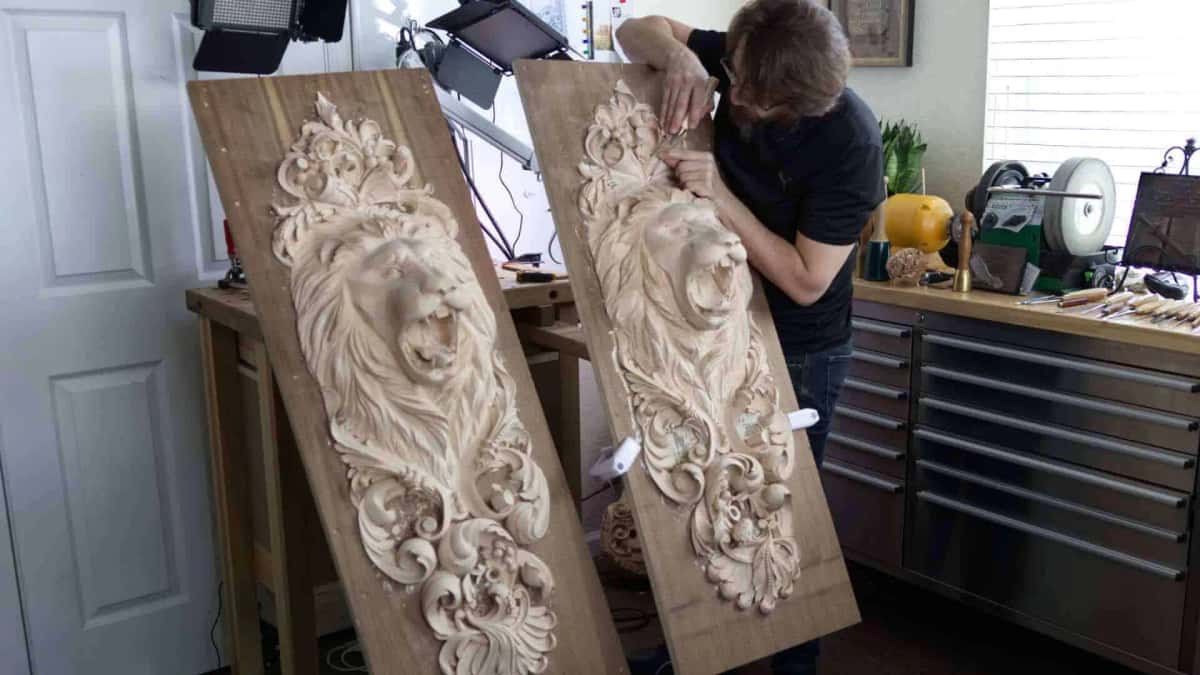
Two lion panels in the shop. Nothing about this work is beginner work.
In class I put the whole tradition the same way. All the church carvings were done in limewood, linden, basswood if you are in the United States. The more expensive carvings were oak at first, and after the seventeenth century they were limewood. Riemenschneider in Germany carved linden. It would be equal to American basswood.
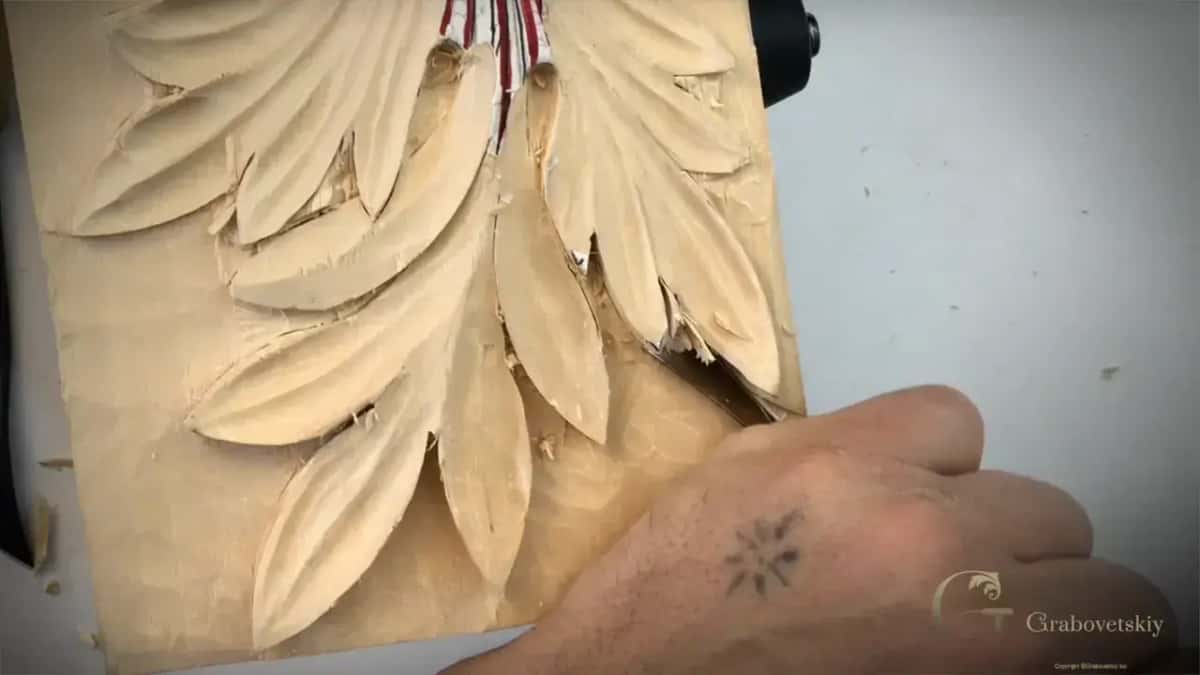
Watch the knife slide right in underneath the lobe itself. Try that in oak.
Esterly, standing over a fresh block of it, was blunter about the ranking:
piece of limewood. The queen of carving woods, in all its pale glory.
So when somebody tells you this is the wood you use until you are good enough for some better carving wood, they have it exactly upside down. The Corinthian acanthus course, the Greek acanthus leaf and the Gibbons class are the hardest work I teach, and every one of them is cut in this wood. Would you rather stand at a bench next to me? Then come and spend a foliage carving week with me in person.
When is basswood the wrong choice?
Put it down for anything outdoors, anything that gets handled hard, anything that must survive water, and anything you plan to stain a dark colour. A wood this soft and this thirsty has real limits, and pretending otherwise is how people end up disappointed in a carving they worked months on.
Outdoors it has no durability worth the name, and the reference books say so plainly: basswood is rated non durable for heartwood decay. Water is worse than weather: a spoon or a board that goes near a sink will fur up, and no finish fixes that for long. Wear is the third one. Basswood dents under a thumbnail, so a chair arm or a stair newel in basswood will look tired within a year.
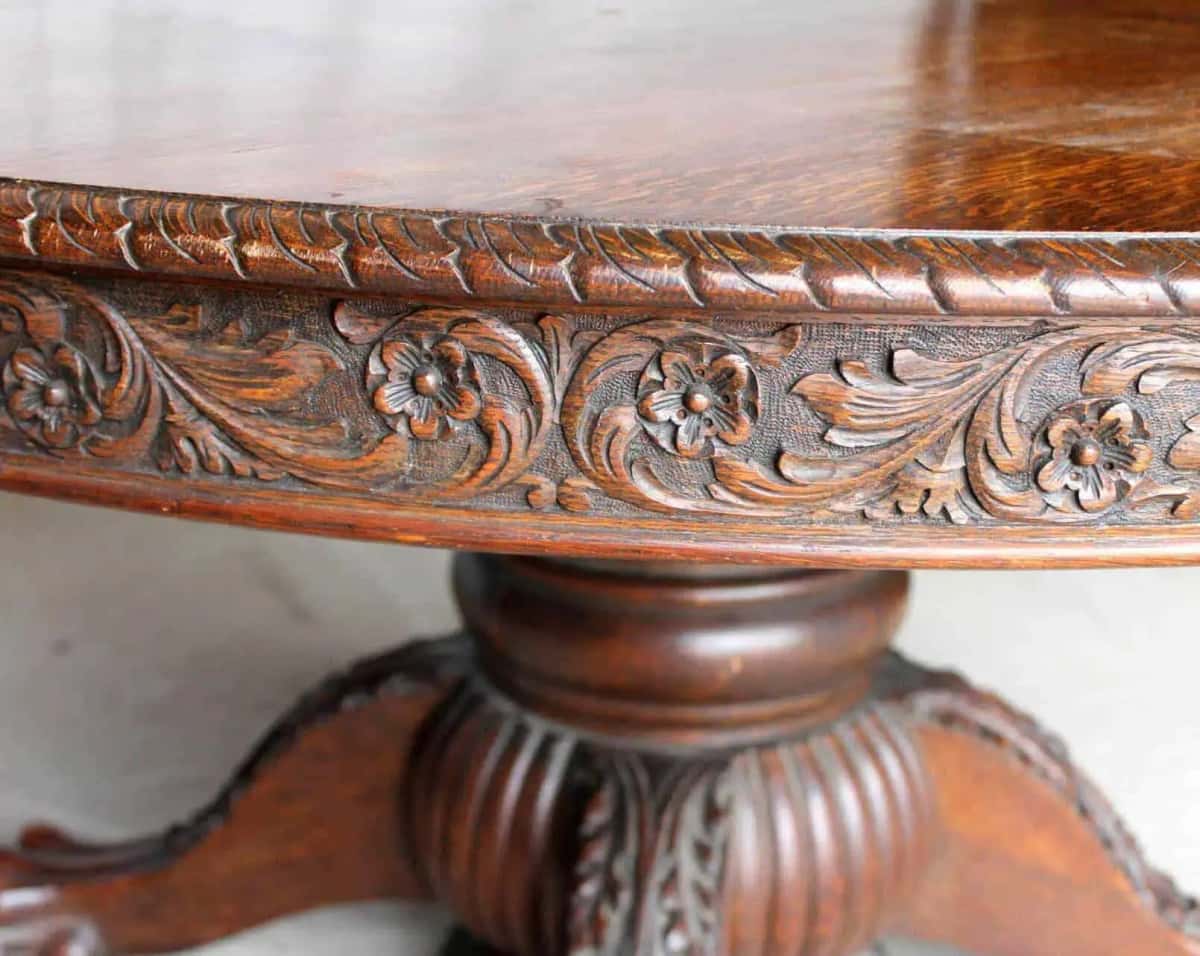
Carved straight into the oak apron of a table. Oak, because hands land there.
The stain problem is the quiet one. That pale, undifferentiated surface which makes carved detail read so well is the same surface that drinks stain unevenly and goes blotchy. Paint sits beautifully on it. Dark stain rarely does, and cherry or white oak will give you that depth of colour without a fight.
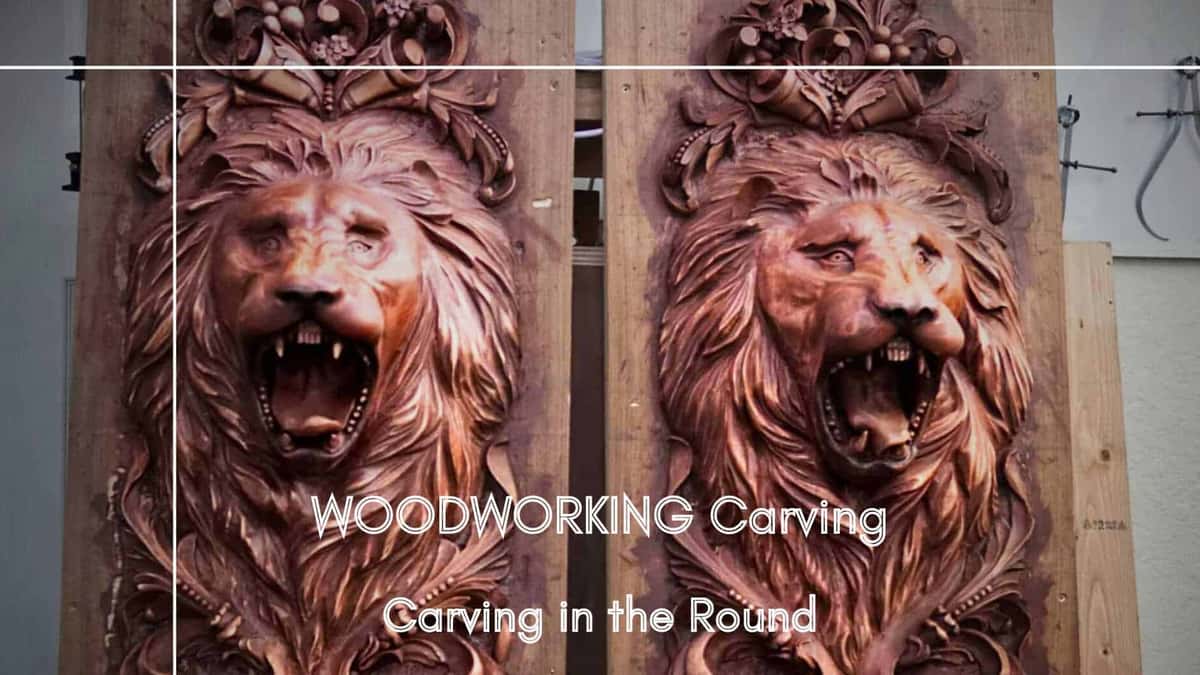
Two lion heads finished in a deep red brown. Colour this even is much easier to reach on a wood that does not drink stain in patches.
None of this is a secret in the trade. It only feels like one because most pages about this wood stop at the word soft.
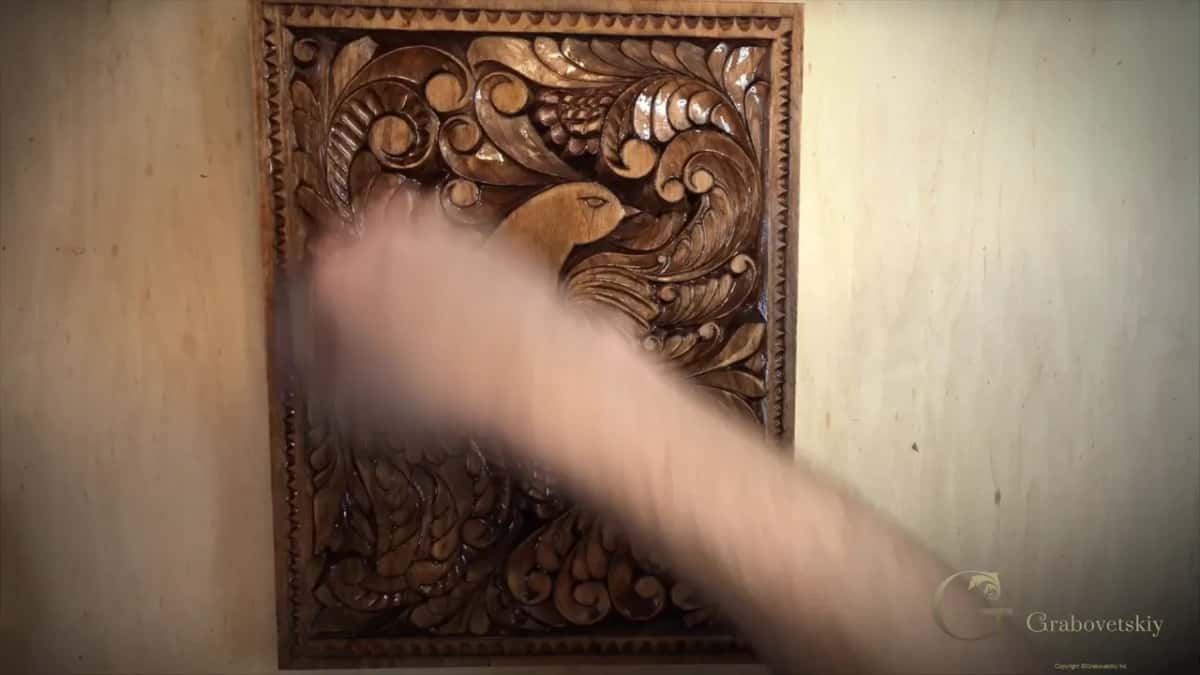
Oil soaking straight in. A carved board near a sink is asking a lot of basswood.
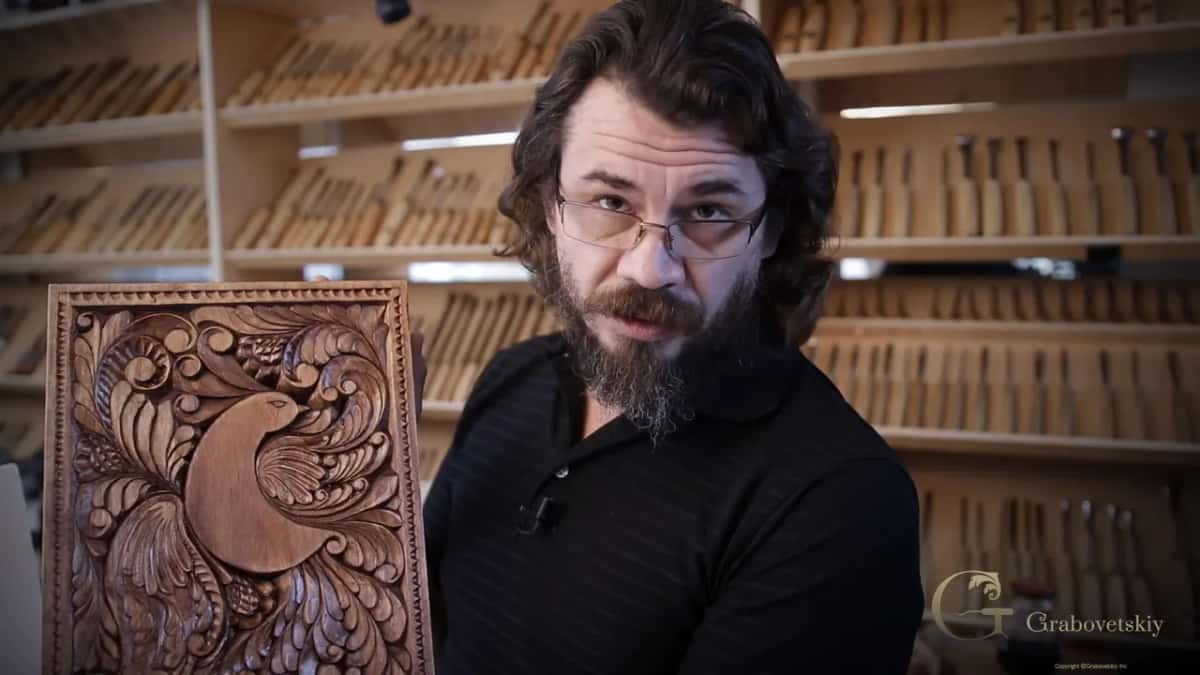
I said the short version of all this on camera:
None of that makes basswood a bad wood, and I want to be clear about that. It makes it a wood with a job. When the job is different, I change wood, and the panel in that photo below has pale basswood ornament sitting on a darker board precisely because each wood is doing what it is good at.
Stained a walnut brown. Getting colour that even on this wood takes real care.
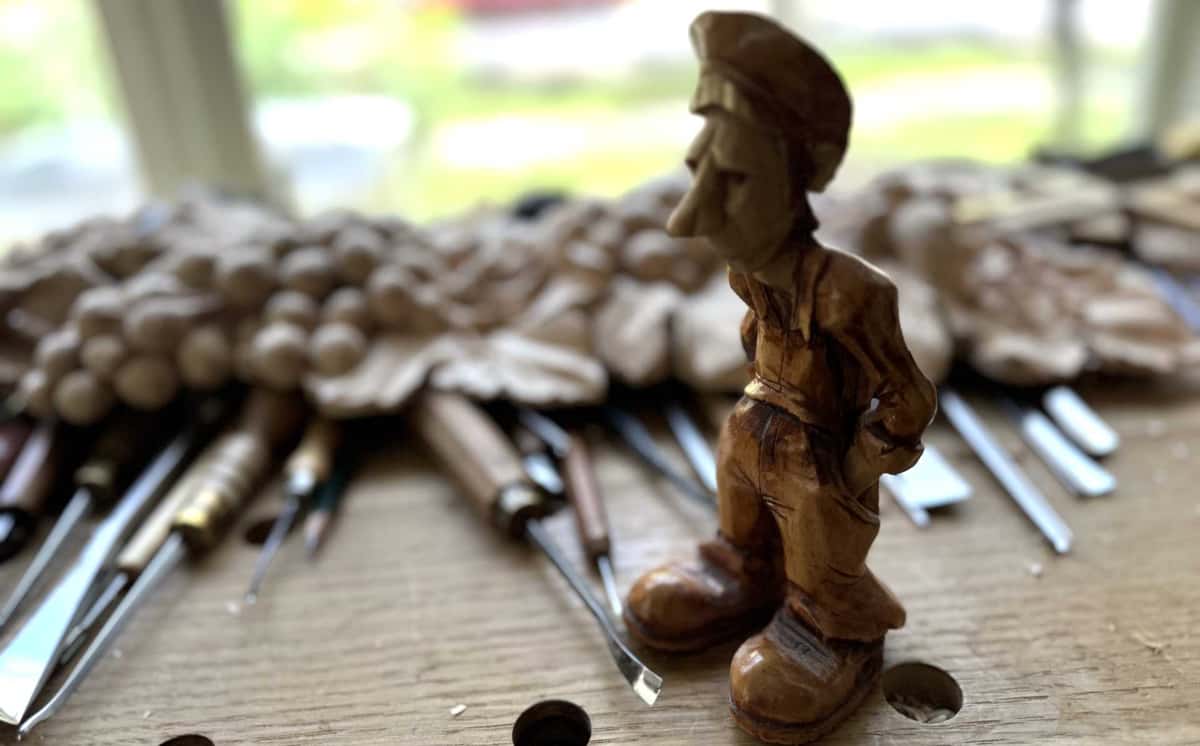
A knife carved figure, finished with oil. On small work the wood is at its most forgiving and its most fragile at once.
How do you pick a basswood board that will not let you down?
Look at the end grain, the colour and the weight, in that order, and put back anything that argues with the piece you have planned. Five minutes at the rack saves a month of carving.
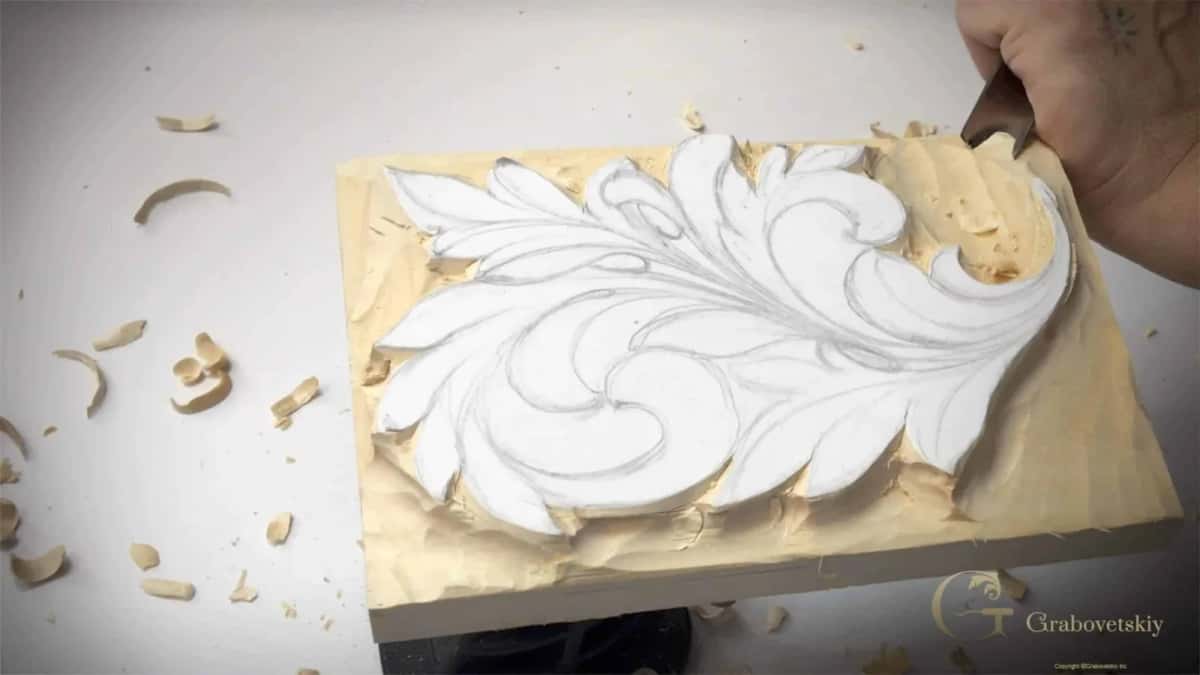
Ground down, chips everywhere, and the leaf finally reads as one shape.
Step 1, read the end grain first
Quartersawn or rift stock moves least and carves most predictably. On my own rack sits some unusual French limewood, rift cut, where you can still see all the flames in it. Flat sawn will still carve, but expect more movement across the width.
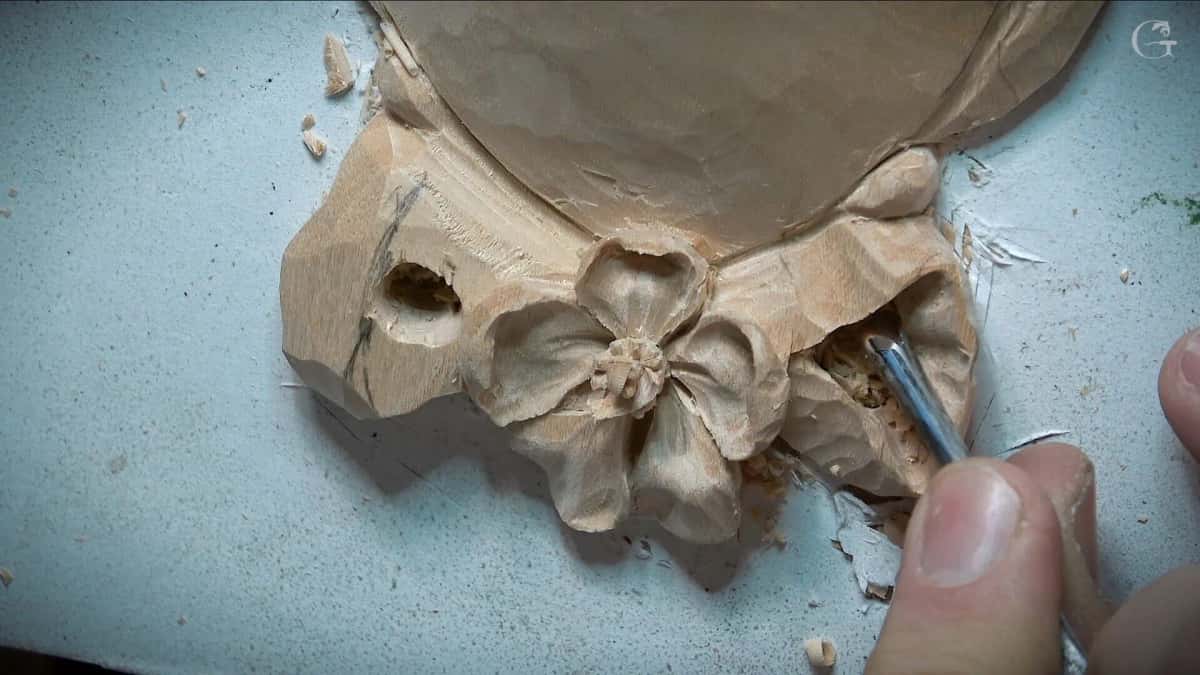
Undercutting. A soft wood which crumbled here would ruin an hour of work.
Step 2, hunt for grey and for dark patches
Turn the board to the light and look along it, not at it. Grey lines and dark blotches are the soft spots. If they fall where your background will be cut away, buy the board and plan around them, exactly as I did with that South Carolina plank.
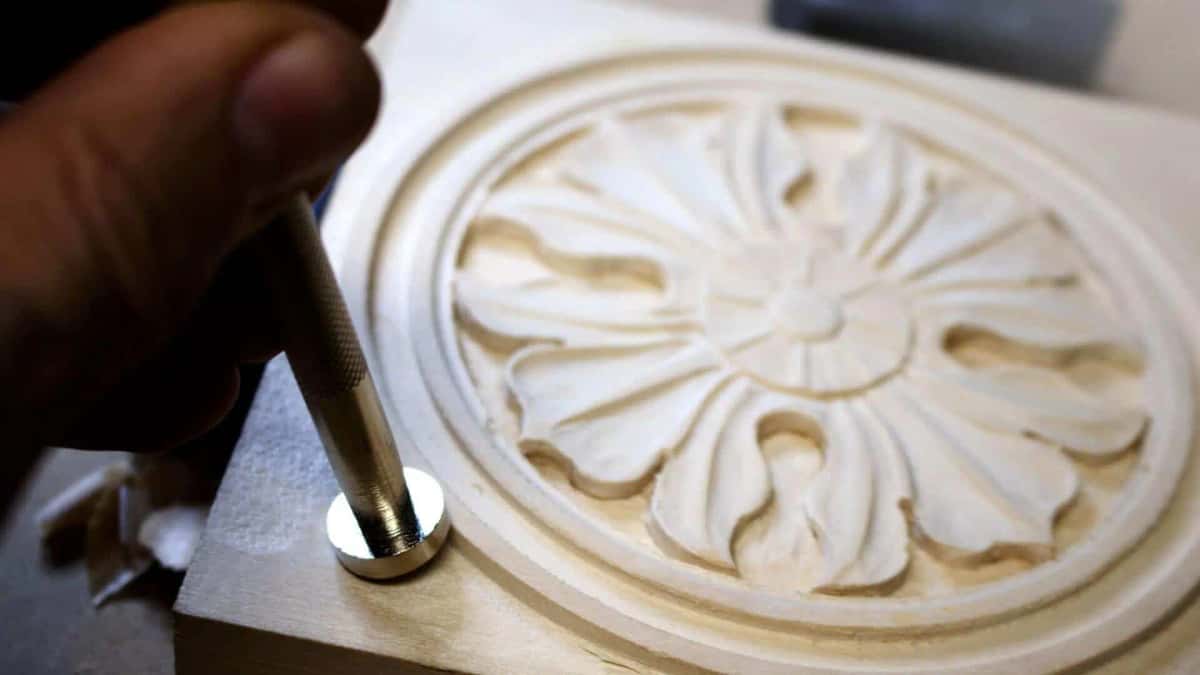
Modelling deep petals. A soft patch would give itself away right here.
Step 3, weigh two boards against each other
Pick up two and compare. A board noticeably heavier than its neighbour is denser than usual for the species, which is not a fault but does change your tools. One that feels weirdly light for its size is usually the woolly one.
Step 4, insist on kiln dried and give it time
Ask how it was dried, and buy kiln dried only. Stack it in the room where you will carve it, with air able to move around it, and leave it there. Weeks at the very least, and several months if the piece really matters to you.
Step 5, buy more than you need
Order extra of the same batch. Matching a board later is very hard, and the offcuts become practice pieces, test cuts and a strop block. Mine is a piece of basswood glued up with leather and a few different profiles on it.
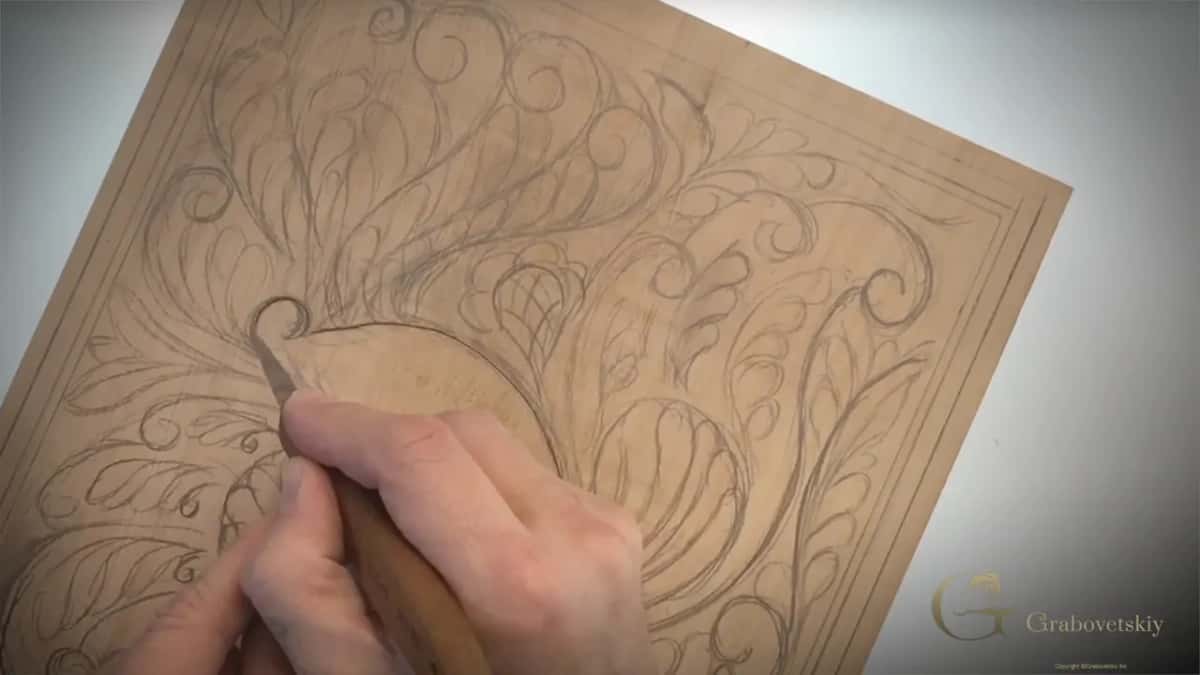
One curl, then the next. Old books call this element a volute.
Get those five right and the honest answer to the question at the top of this page stops being a yes or a no. The species is good. The board is what you are actually buying, and now you can read one. The path through this wood runs from a first stop cut through an antique style rosette and carved hazelnuts to undercut foliage, all of it laid out on the map of every lesson. For the shortest way in, start here, and the wood guide takes the other species one by one.
Frequently asked questions
Which is better for a first carving, basswood or butternut?
Basswood cuts more evenly and costs less, so it is the easier first board. Butternut is a touch harder at 490 lbf against basswood's 410, moves less in drying, and has a warm brown colour that basswood cannot give you. Start on basswood, then try butternut when you want colour without much extra effort.
Can you stain basswood dark?
Staining basswood dark usually goes patchy, because the pale surface absorbs unevenly. A wash coat or a sanding sealer first evens it out a good deal, and gel stains sit better than penetrating ones. If a dark finish is the whole point of the piece, carve walnut or cherry instead and save yourself the argument.
What thickness of basswood should a beginner buy?
Three quarters of an inch handles most beginner relief work and gives you room for a background about three sixteenths deep. Thinner stock than half an inch cups more easily and leaves nothing to cut into. Buy a couple of pieces wider than your design so you can trim rather than piece.
Does basswood dull carving tools quickly?
It dulls tools slowly compared with oak, and that is exactly the trap. Soft fibre needs a genuinely sharp edge to sever rather than bend, so a slightly dull gouge that still works in walnut will leave a fuzzy, torn surface here. Strop often, and judge the edge by the cut surface rather than by how hard you are pushing.
Where does basswood grow, and is limewood the same tree?
American basswood grows across eastern North America, from southern Canada down through the Carolinas, and it reaches 65 to 120 feet tall. European limewood is a close relative in the same genus, Tilia, and the two work almost identically under a gouge. Carvers in Britain and Germany are cutting the same material you are, under a different name.
Will basswood hold up in furniture carving?
For applied ornament that gets glued onto a harder carcase, it is a good choice and it is what I use. For any part of the furniture somebody touches, leans on or sets a glass down on, it dents too easily and I switch to walnut, oak or mahogany. Carve the ornament in basswood, build the furniture in something tougher.