
August 20, 2024 · Updated August 15, 2026
By Alexander Grabovetskiy — Master Woodcarver · Founder, School of Wood Carving · 9 min read
How long does it take to learn wood carving, stage by stage
Key Takeaways
- A month of evenings gets the blade going where you meant it to go.
- Short daily sessions beat one long Sunday, because hands build skill in the gaps between rather than during the work.
- Near the ninety day mark your eye outruns your hands. Miserable, and proof you are getting better.
- Basswood forgives, oak fights back, and pine tears out exactly where the detail was going.
- Handling the blade stops being the problem after roughly two years. Drawing never stops being one.
How long it takes to learn wood carving depends on what you mean by learn. Two weeks of daily practice buys clean control of one knife. Three months buys a small panel worth hanging. Two years buys work that belongs on furniture, and after that it never really stops.
I started at six, when my grandfather put a chisel in my hand and I immediately took it to a brick to carve a face. Ruined the tool in about a minute. Nobody in that house knew enough to stop me, and the passion was born right there anyway.
So I have watched this question from both ends now, my own and about a thousand students. Here is the honest timeline, what speeds it up, what slows it down, and the one thing that stalls people for years.
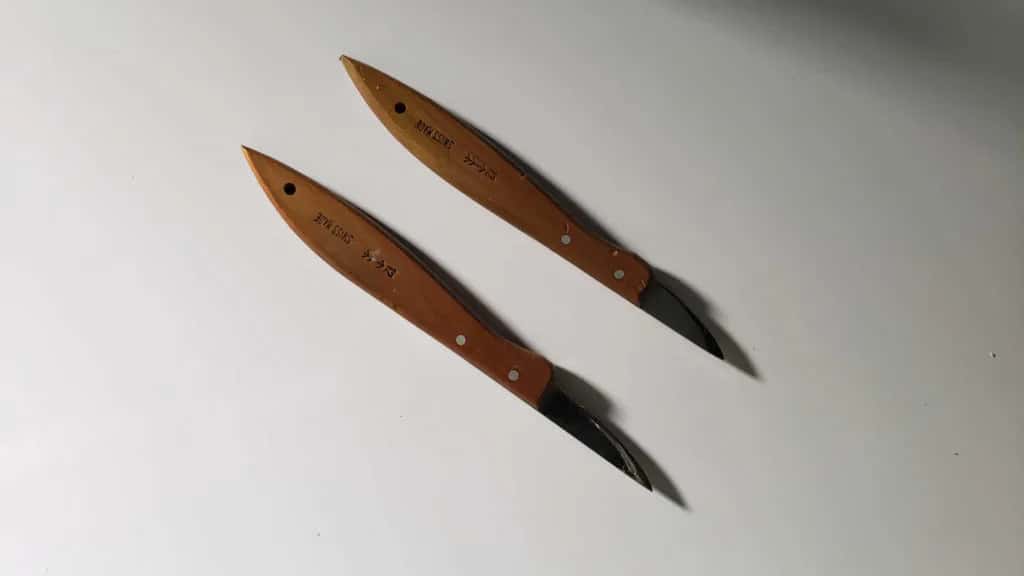
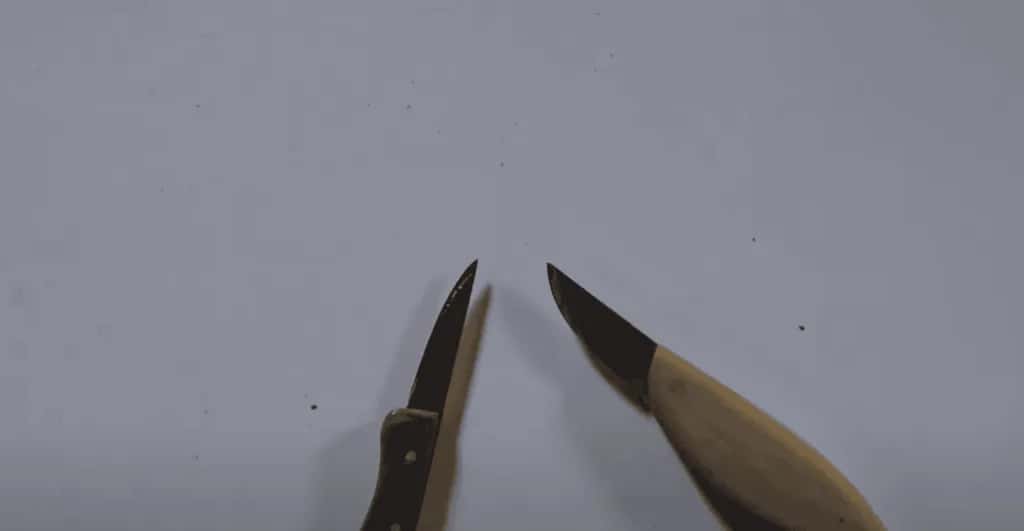
Two knives. That is a genuinely reasonable place to begin.
How long does it take to learn wood carving basics?
Two to four weeks of daily practice for real control of one tool. Not mastery. Control, which means the blade goes where you meant it to go.
Twenty minutes a day beats three hours on a Sunday, and it is not close. Hands learn by repetition spaced out, the same way a language does. A man who carves ten minutes every evening will pass a man who does one long session a week inside a month.
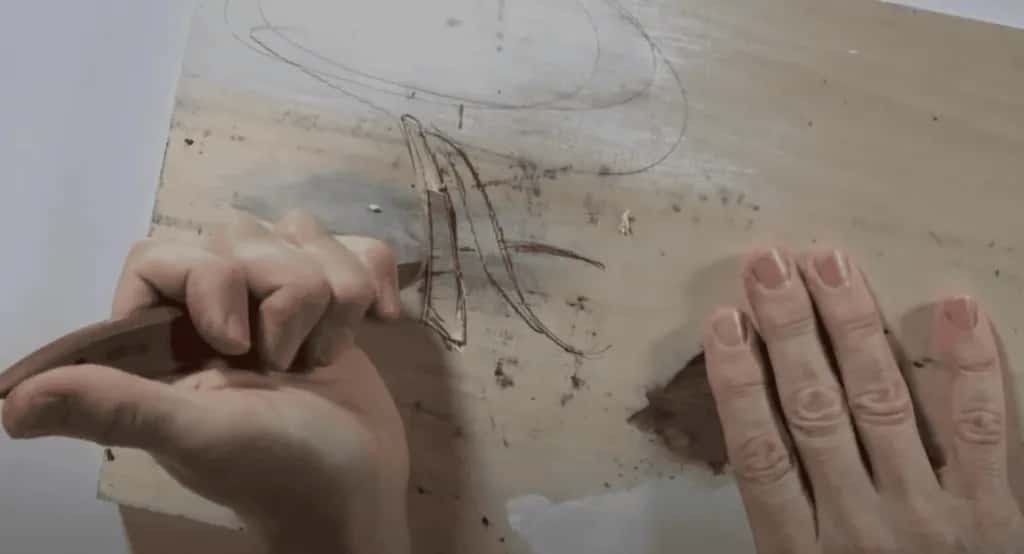
What you should expect in those first weeks is unglamorous. Straight lines that stay straight. A stop cut that does not wander off halfway along. A curl lifted cleanly instead of torn. Nobody frames any of that, and it is the whole foundation everything later stands on.
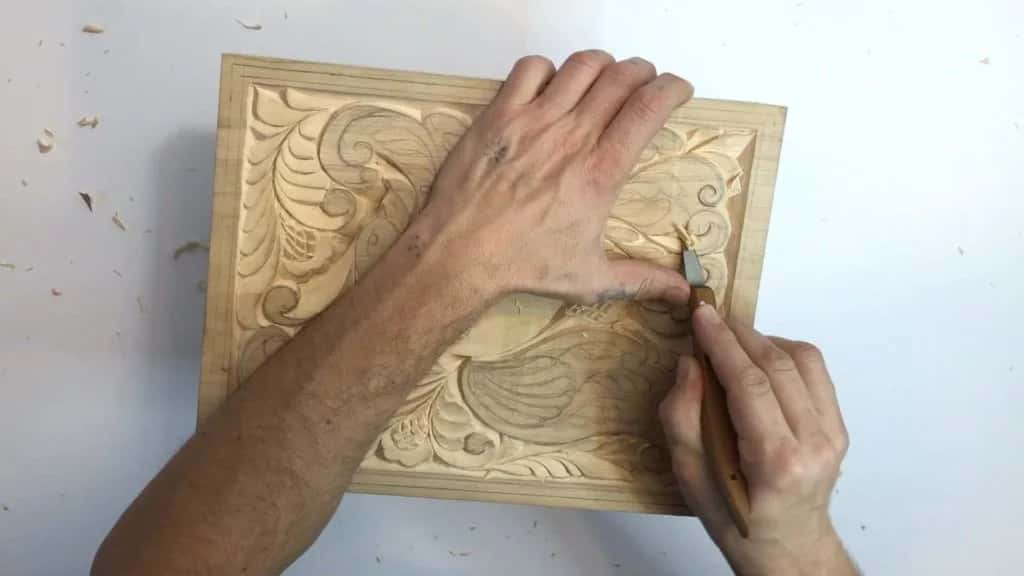
What does the whole timeline look like?
Four rough stages, and the second is where most people quit. Here is the shape of it from what I see in students.
| Where you are | What that stage actually feels like inside | Time it takes | What tells you it is done |
|---|---|---|---|
| Learning to hold it | The tool goes roughly where you point it now | About three weeks | Straight lines that stay quite straight |
| The frustrating part | You can see the fault but cannot fix | Three months | Most people stop right about here |
| Work that is worth keeping | A panel you would happily hang on a wall | Six months onward | Somebody finally asks who carved that |
| Furniture grade work | The carving now belongs on the piece it decorates | Two years | A cabinetmaker asks for your number |
| Still learning after that | Design problems from here on, and no longer tool problems | All the rest | You start seeing your own old mistakes |
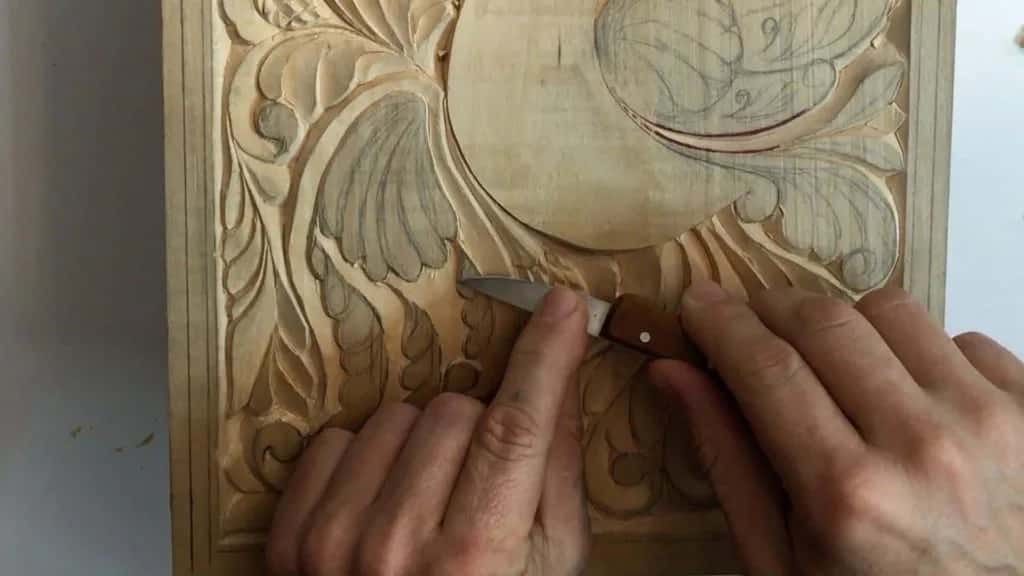
Row two is the honest one. Around three months your eye gets good before your hands do, so you can suddenly see everything wrong with your own work and cannot yet fix any of it. That gap is miserable and it is also proof you are improving. Carve through it.
What tools do you actually need to start?
One knife, one gouge, a stone and a strop. Four things, under sixty dollars, and they will carry you through a year.
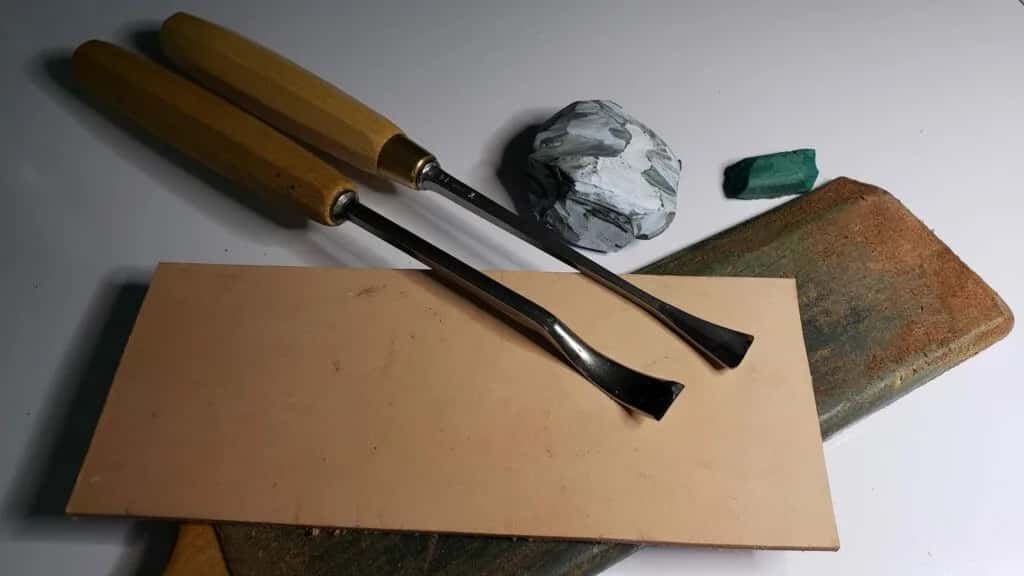
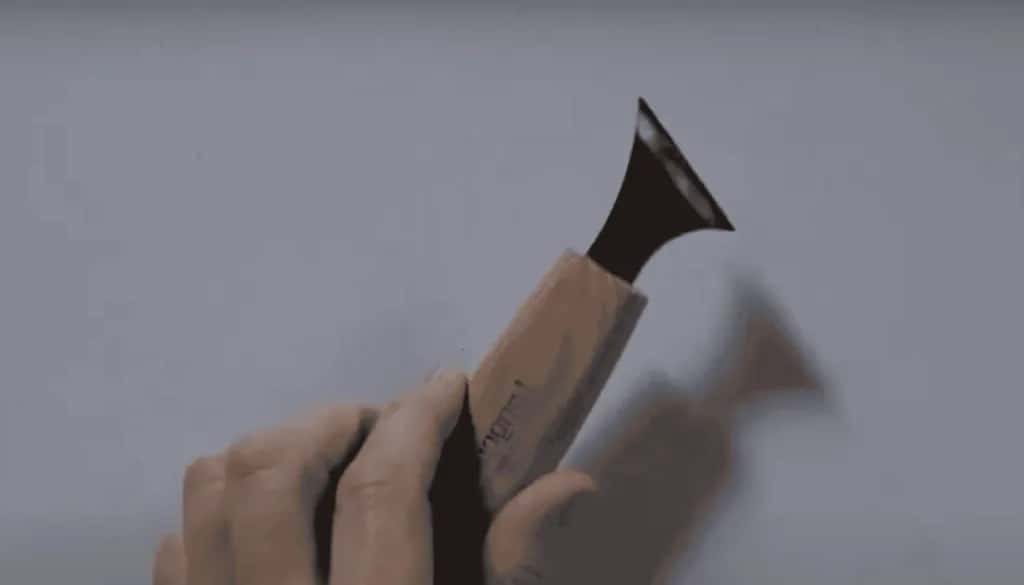
Pfeil out of Switzerland is what I hand beginners, stocked by Woodcraft and Lee Valley. A number 7 sweep around 14mm covers most beginner work.
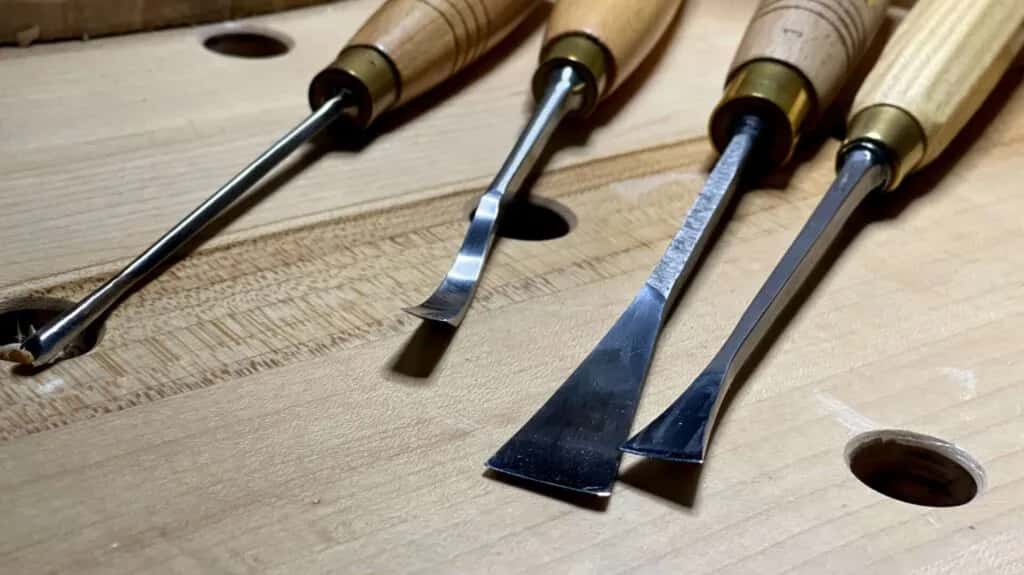
The mallet can wait. So can the other forty gouges in the catalogue. I have watched a man buy a boxed set of forty-eight and use six of them for a decade, while the other forty-two went brown in a drawer.
My longer breakdown is in the post on carving knives and in which tools a beginner really needs.
Does the wood change how fast you learn?
More than any tool does, and beginners get this wrong constantly. Start on the wrong timber and you will conclude that you have no talent.
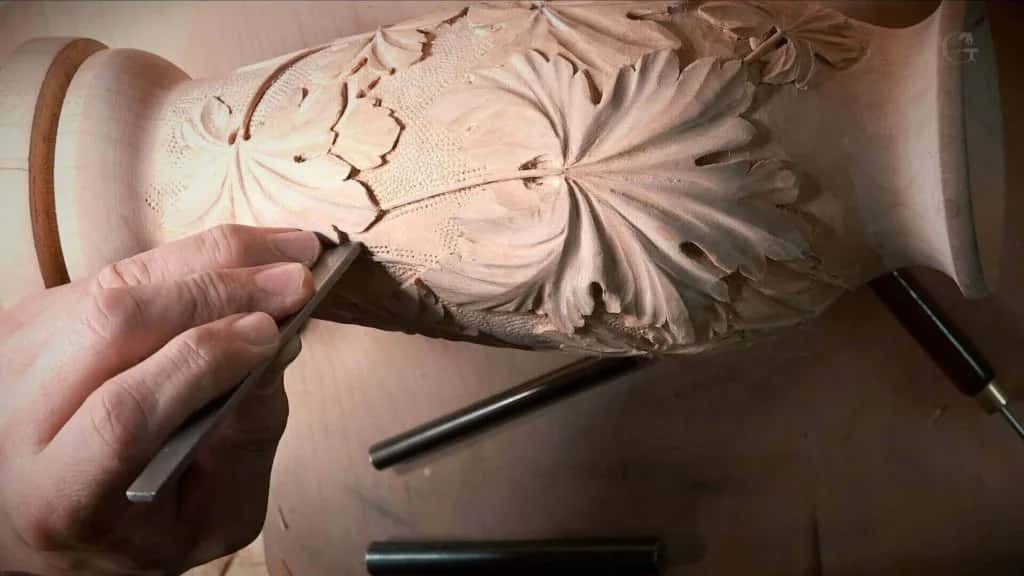
American basswood is the answer and there is barely a second place. It carves cleanly in every direction and forgives an edge that has gone slightly dull, which yours will constantly. The numbers back that up if you like numbers.
Butternut is a decent second. Oak will fight you the whole way and I would not wish it on a beginner. Pine goes knotty and tears out exactly where the detail was going to be.
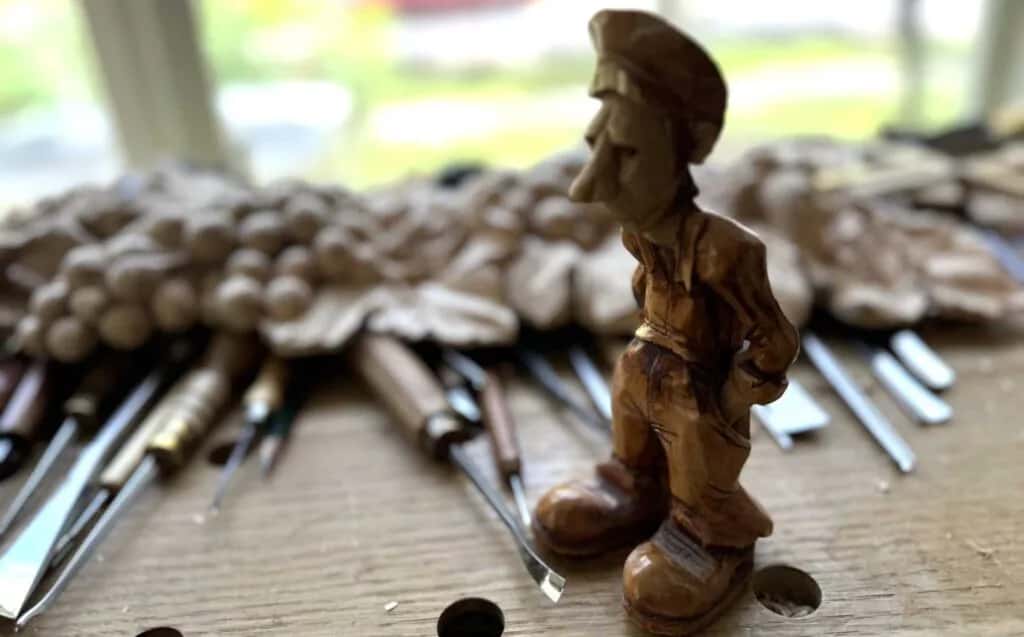
I started on whatever I could find lying around the house, which is to say I made my own first year much harder than it needed to be. Learn from that instead of repeating it.
How do you get through the first year fastest?
Sharpen properly, carve daily, and repeat one exercise until it is boring. None of it is exciting. All of it works.
Step 1, learn to sharpen before anything else
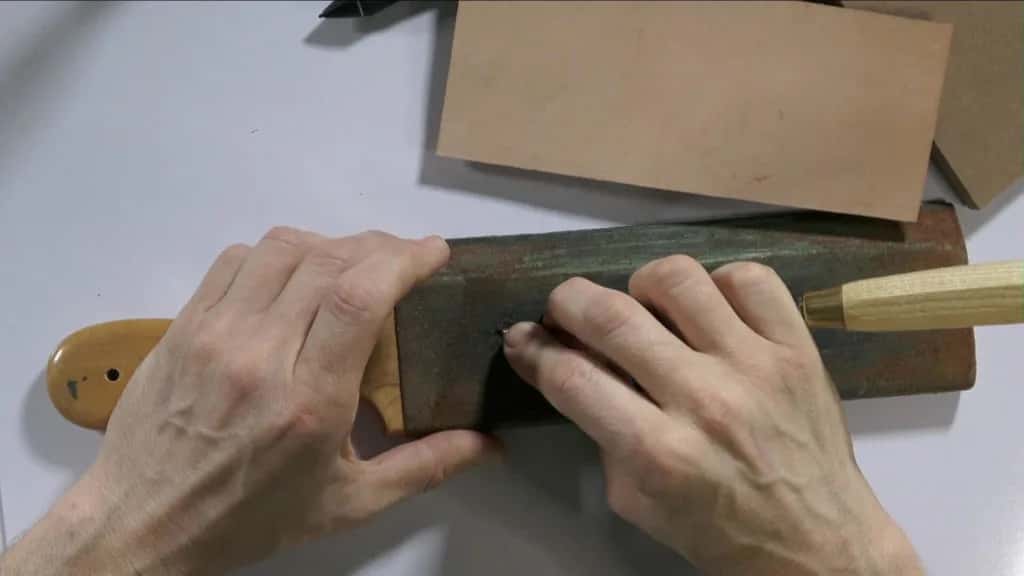
A new gouge is ground, not sharp. Strop it until it lifts a curl off the corner of a board with no pressure at all. Beginners who skip this spend a year believing the wood is against them.
Step 2, carve twenty minutes every single day
Every day beats every weekend. Set the wood somewhere you walk past, because a tool in a cupboard is a tool you will not pick up.
Step 3, carve one exercise five times over
Not five projects. The same leaf, five times, and the fifth will not resemble the first. Everybody wants to move on after one. Do not.
Step 4, work on depth before you work on detail
Beginners carve everything at one level and then wonder why the panel reads flat across a room. Depth is what makes light do anything on a carved surface at all.
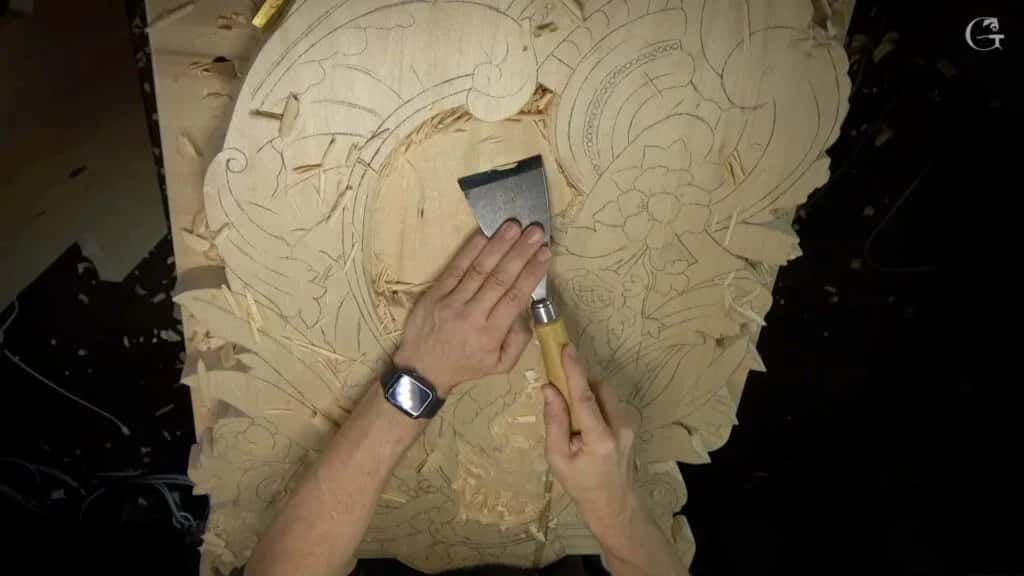
Step 5, get one honest opinion from a carver
Not from a friend and not from your family. They will praise a panel a professional would reject, and they are not lying, they simply cannot see the fault. One honest hour costs you an afternoon of feeling bad and saves you a year.
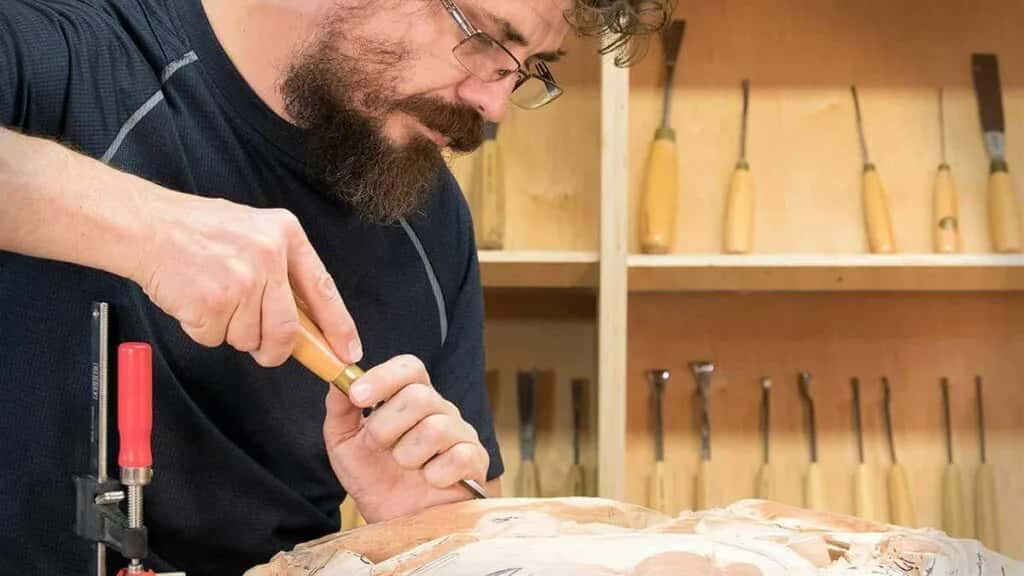
Is it faster to learn carving in a class or online?
Faster in a room, cheaper and more thorough on a screen, and most students should do both. They fix genuinely different problems.
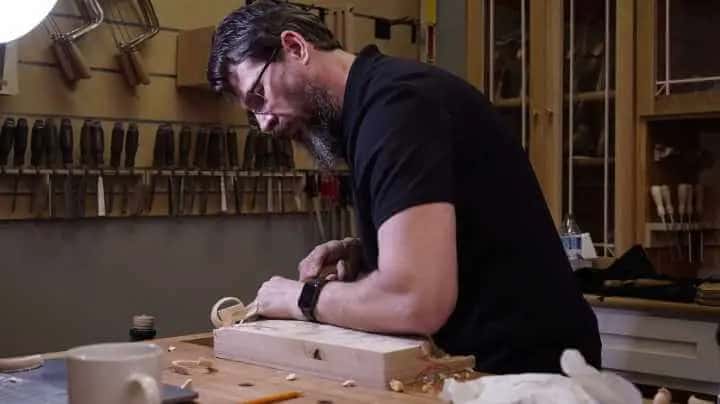
A teacher standing beside you catches a fault before it hardens into a habit, and no camera does that. A recording gives you the same pass forty times, and no classroom does that. In a room I make the cut once, then I move to the next bench.
Cost decides it for most people. One week at a woodworking school runs to roughly 3500 dollars once flights and beds are counted, against 200 dollars for a year of tuition here. I set both out properly in the post on finding classes near you and in the one on online lessons.
What should you carve in your first three months?
Flat work first, then one relief panel, and nothing in the round yet. Round work hides your mistakes from you, and that is the last thing a beginner needs while the eye is still forming.
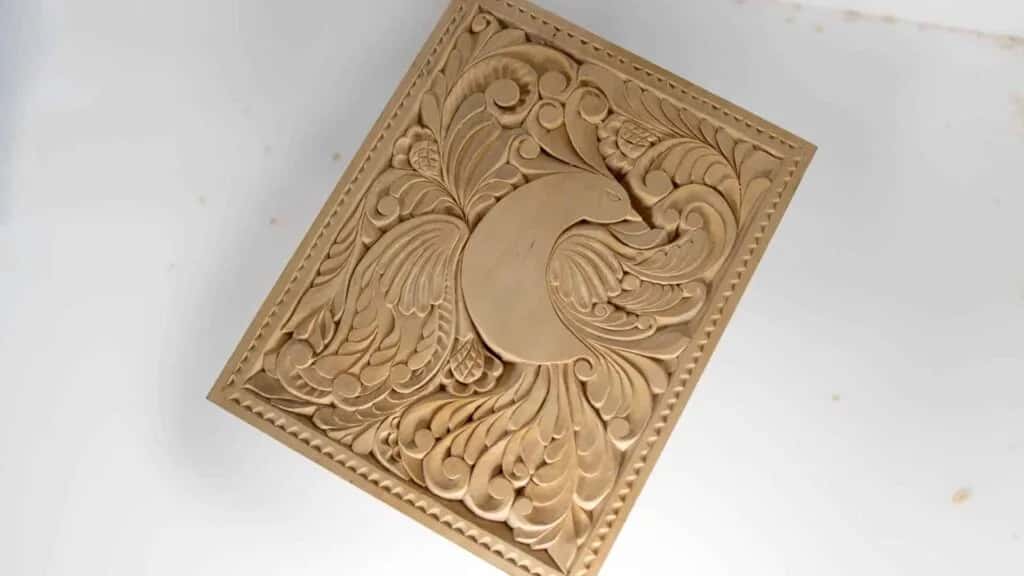
Begin with geometric cuts on a scrap, the sort of thing chip carving is built from. Then the first carvings course, a carved board off one knife, and after it the butterfly plate, which forces you onto a curve.
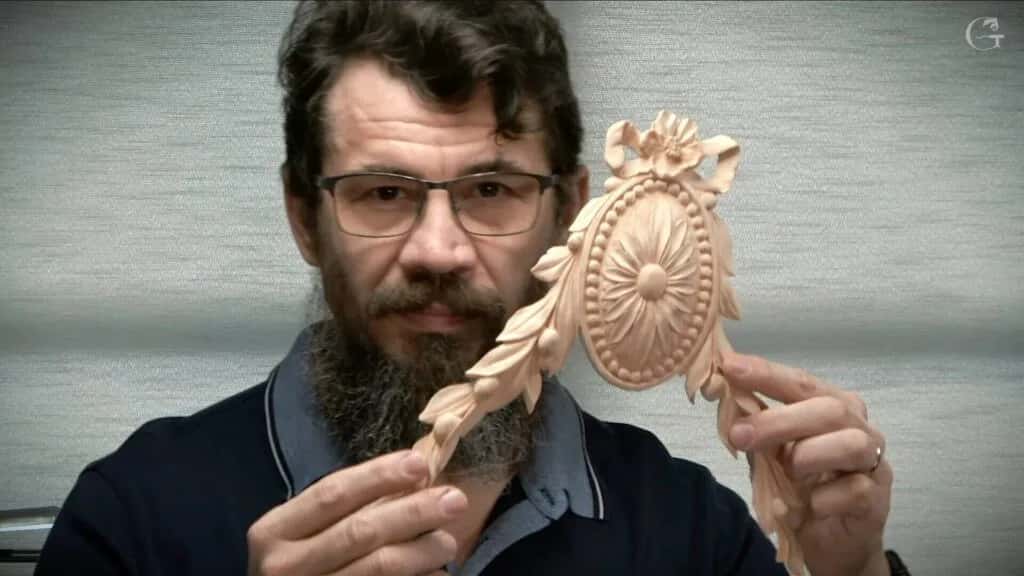
After that, rosettes, because a rosette makes you think in layers instead of surfaces. There are more options in small carving ideas for beginners and in what to carve as a beginner.
When does the learning actually stop?
Tool problems end in about two years. Design problems never do. That is not a sales line, it is the reason I still work every day.
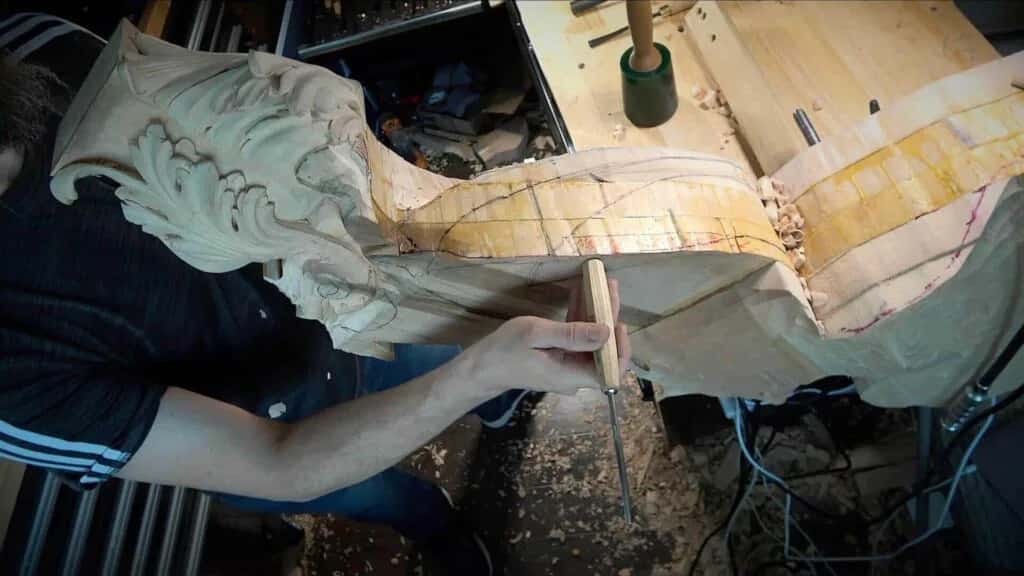
At sixteen I got an apprenticeship with a fine art master. One apprentice, one master, and almost no talking. Watch, copy, repeat, the way apprenticeship ran across Europe for centuries. What he gave me was not tool control, which I could have ground out alone. He taught me to think like a tool before he taught me to hold one properly.
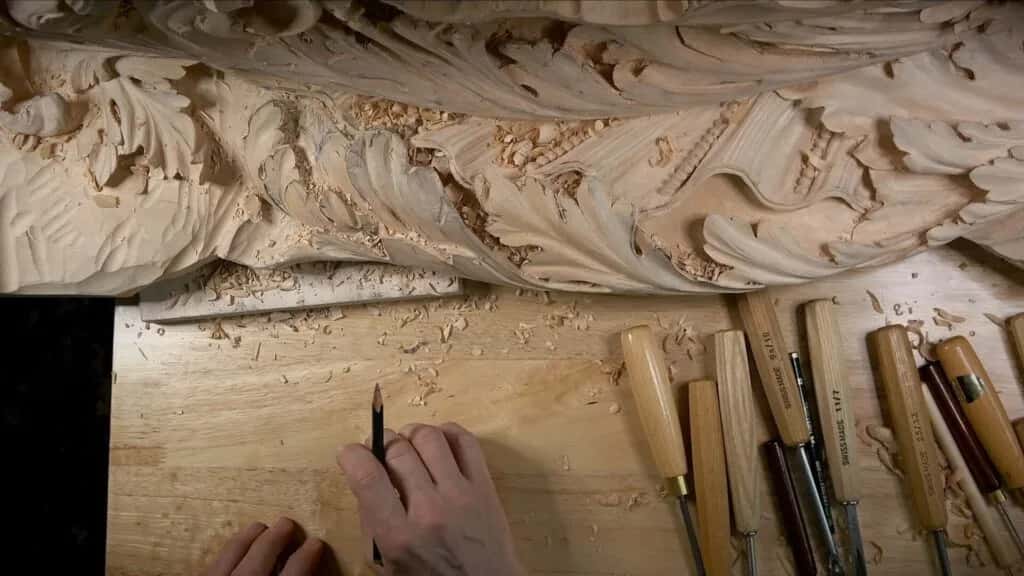
Design is the laws of space, rhythm and repeat, the vocabulary that runs from acanthus through every European ornament, and knowing why a leaf turns where it turns rather than somewhere else. Carvers with twenty years of clean tool work still stall there, and I have watched it happen in my own classes. The design course exists because of that.
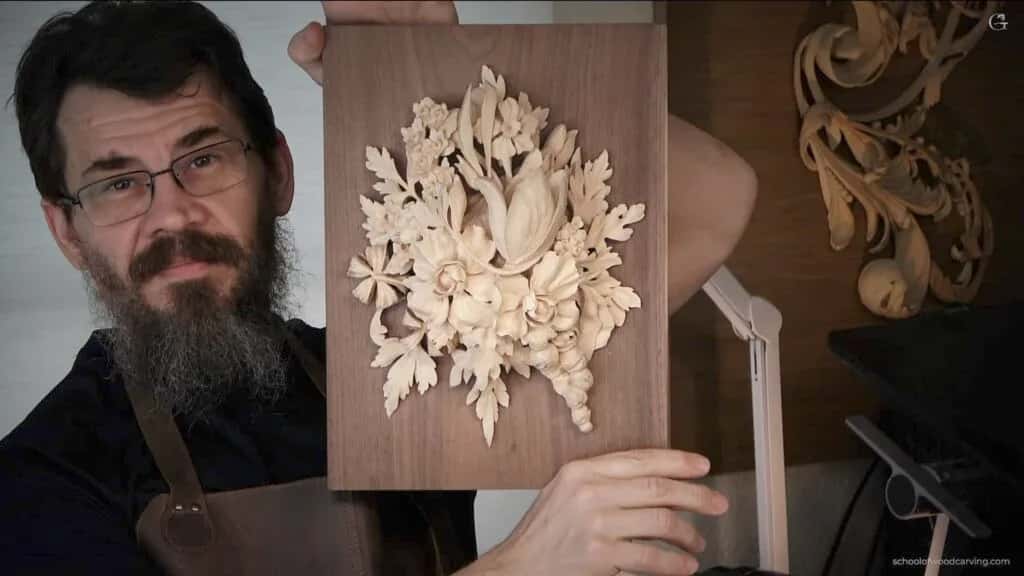
Look at what Grinling Gibbons left behind. Three hundred years standing, no machine ever near it, and the V and A still holds a good deal of it. That was never tool control.
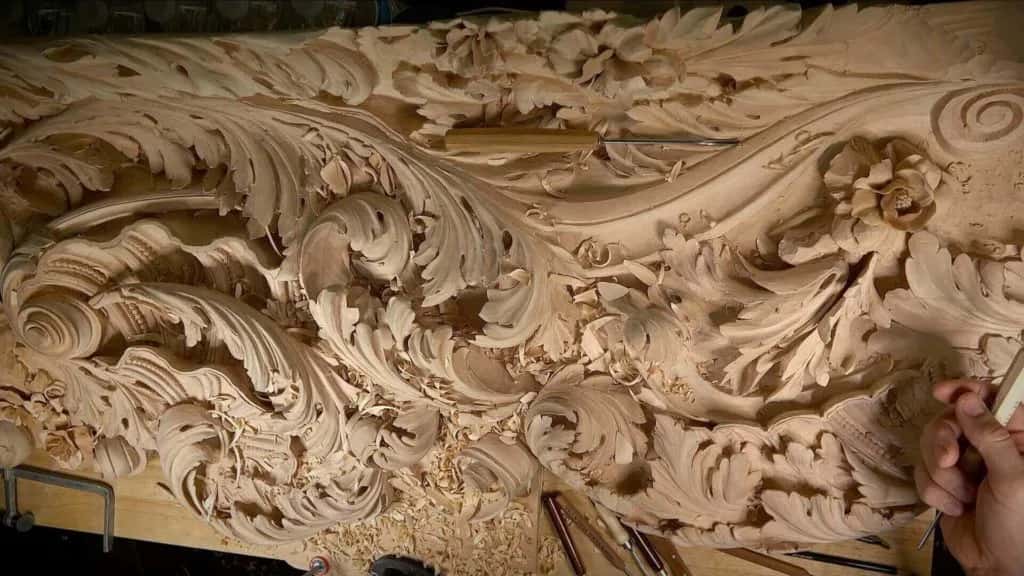
I have carved for over forty years and I am still learning. Anybody who tells you they finished is describing a smaller craft than this one.
So. Do you want to spend a year wondering whether you could, or a year with shavings on the floor? Tuition here also feeds orphans and widows, because this is a 501(c)(3) school. Begin here, whenever you are ready.
Frequently asked questions
Can I learn wood carving in a month?
You can learn the basics in a month of daily practice, meaning clean control of a knife on flat work. You will not be carving a rosette. What a month buys is the foundation everything else stands on, and rushing past it costs you later.
Is wood carving hard to learn compared with other crafts?
Handling the tool is no harder than most hand crafts. What makes carving slower is that it has a second half, design, which turning and joinery do not demand in the same way. Most people underestimate exactly that half.
How often should I practise?
A short session every evening beats three hours once a week, and the difference shows within a month. Hands consolidate skill between sessions rather than during them, which is why the gap matters as much as the work. Leave your board somewhere you walk past.
Do I need talent to learn carving?
Less than people think. Patience matters far more, and so does a sharp tool. Naturally gifted students get overtaken inside a year by stubborn ones who simply turned up every evening.
When can I sell a carving?
About two years of steady work before the quality holds up to a paying stranger. Family will buy sooner and that proves nothing. There is a fuller answer in my post on making money carving wood.
Am I too old to start wood carving?
No. My oldest students are ninety, and the hands that improve fastest are usually not the young ones. Working in three dimensions builds new connections in the brain, so the craft gives something back at exactly that age.