
November 7, 2022 · Updated August 15, 2026
By Alexander Grabovetskiy — Master Woodcarver · Founder, School of Wood Carving · 8 min read
Is wood carving hard to learn, and which two parts are the hard ones
Key Takeaways
- Two things in this craft are genuinely difficult, and neither one is your hands.
- Ground and sharp are different states. One crushes the fibres, the other slices them, and you feel that difference long before you ever see it.
- Repetition improves your hands. It does nothing at all for a badly drawn leaf.
- Undercutting sounds frightening and takes one afternoon. It exists so a shape throws black shadow rather than grey.
- Sixty dollars of gouge, board and strop answers the whole question inside four weeks.
Is wood carving hard to learn? In exactly two places, and straightforward everywhere else. Sharpening is one. Drawing what you intend to carve is the other. Moving a gouge through basswood is easy inside a month, and almost nobody believes that until they try it.
People ask me this expecting a warning about the tools. The tools are not the problem. I have watched men with beautiful hands and forty years of woodworking stall for a decade, and the thing stopping them was never their grip.
So let me split the craft honestly. What is genuinely difficult, what only looks difficult, and what you can stop worrying about entirely.
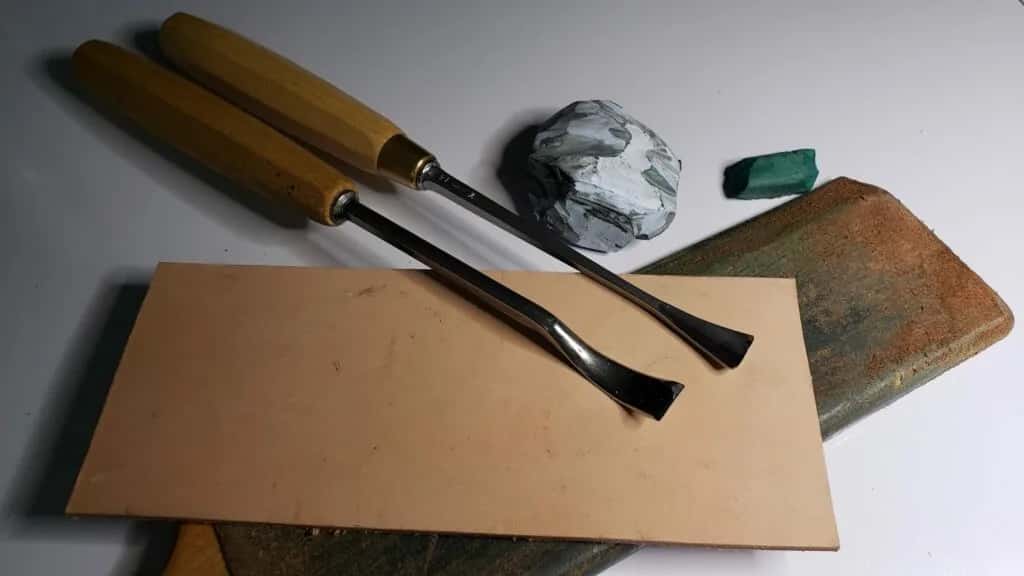
A strop, a lump of compound, two gouges. One of the two genuinely hard things in this craft lives right here.
What part of wood carving is actually hard?
Sharpening and drawing. Everything else is repetition, and repetition is only slow. The rest of this post is the detail behind those two words.
| Part of it | How hard it honestly is to learn | How long | What actually stands in your way |
|---|---|---|---|
| Moving the tool safely | Easy, and nearly everybody overestimates this one badly | About three weeks | Nothing much beyond simply turning up |
| Flattening the ground | Fiddly rather than hard, and it takes care | A month | Impatience, every single time it happens |
| Putting an edge on steel | Genuinely hard, and it resists being taught by video | A year, honestly | You cannot see it, only feel |
| Drawing it first | The hardest half by far, and where carvers stop | Several years | Nobody told you it was separate |
| Depth, shadow and undercutting | Middling, once somebody explains to you what it is for | Six months roughly | Carving the whole thing at one level |
Read row three and row four again. Those are the two, and neither is about your hands.
Why is sharpening the hard one?
You cannot see a sharp edge. You feel it, and feeling takes a year to calibrate. Every other skill in carving gives you a picture to check against.
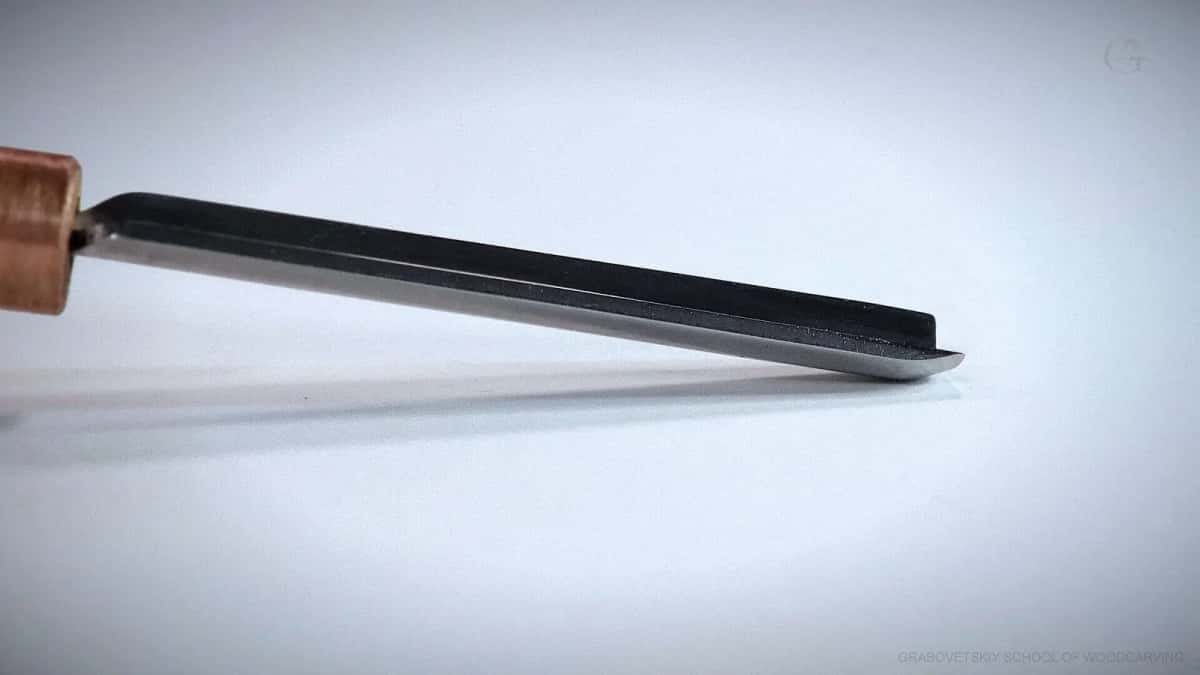
A new gouge arrives ground, not sharp. Ground means a factory put a bevel on it. Sharp means the edge will lift a curl off the corner of a board under its own weight, with no pressure from you at all.
The difference between those two states is invisible at arm's length and enormous in the wood. A dull tool crushes fibres ahead of itself instead of slicing them. You feel it in your shoulder before you ever see it on the surface, and the surface goes fuzzy no matter how careful you are being.
Nine letters out of ten that reach me from frustrated beginners are a sharpening problem, and nine out of ten of those people do not believe me when I say so. Strop the tool. Try again. Nine times in ten that is the entire lesson.
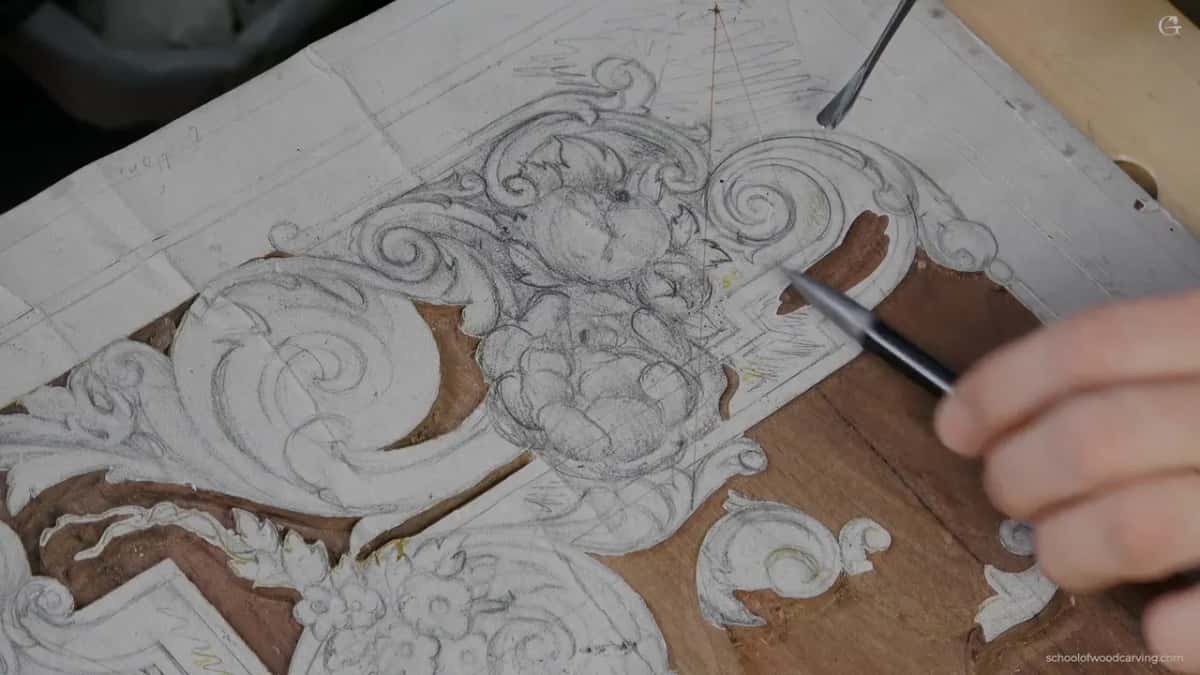
This is also the one thing a camera struggles with, because the change is in the sound and the resistance rather than the picture. I film it close and slow and I still get the letters.
Why is drawing harder than carving?
Tool control answers to repetition, and drawing simply does not. Carve a hundred leaves and your hands improve. Draw a hundred bad leaves and you own a hundred bad leaves.
At sixteen I was apprenticed to a fine art master. One apprentice, one master, and almost nothing said out loud for months at a stretch. What came first was not how to hold a gouge. He taught me to think like a tool, and after that came the laws of space.
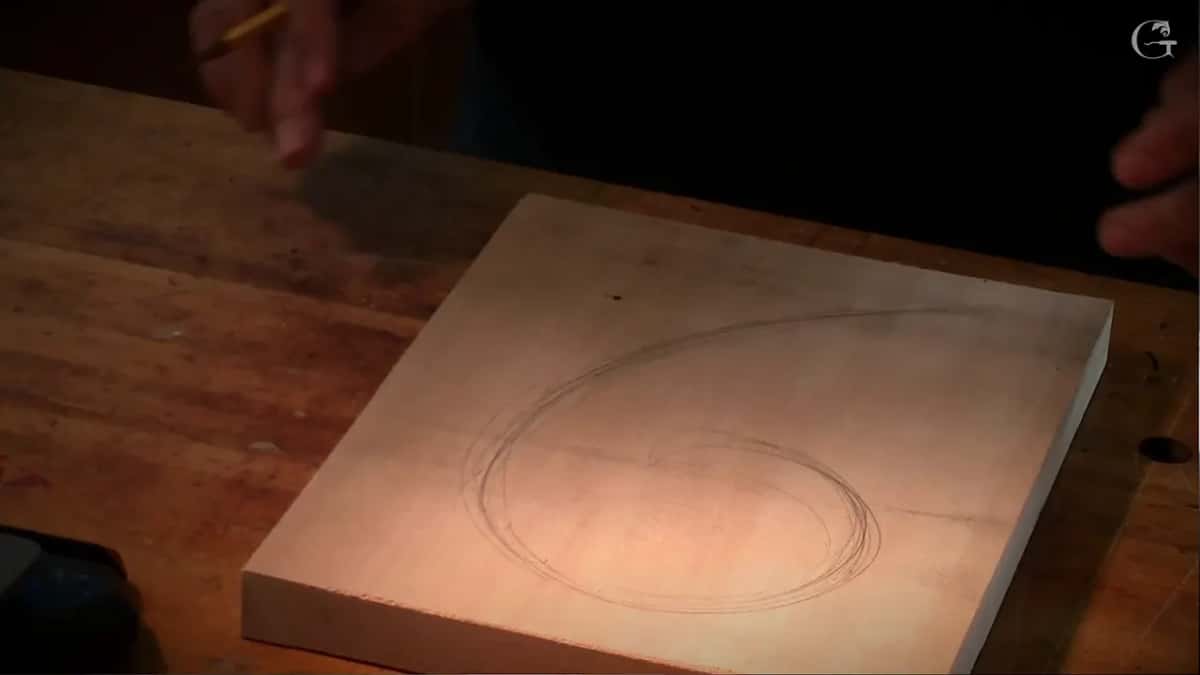
Those laws are real and they are learnable. Where the eye lands first. Why a diagonal moves and a horizontal sits still, which painters worked out long before carvers did and still teach as the rule of thirds. Why three flowers in a cluster must be three different sizes. Why a leaf tip should stop just short of a line rather than touch it.
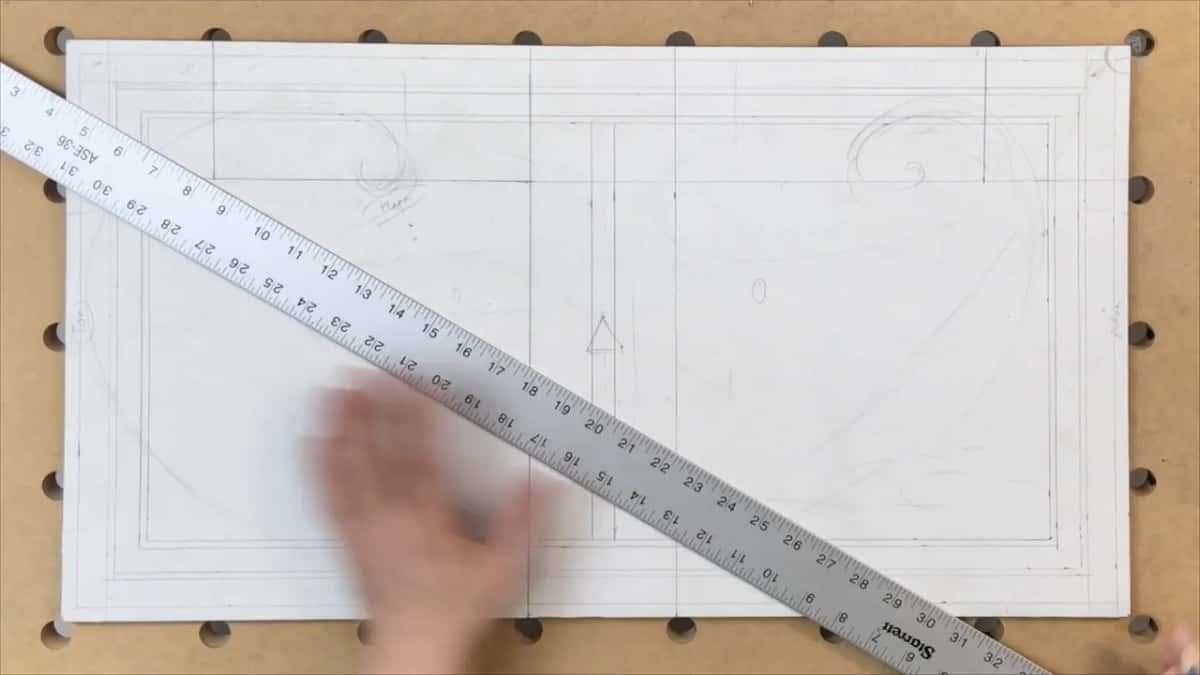
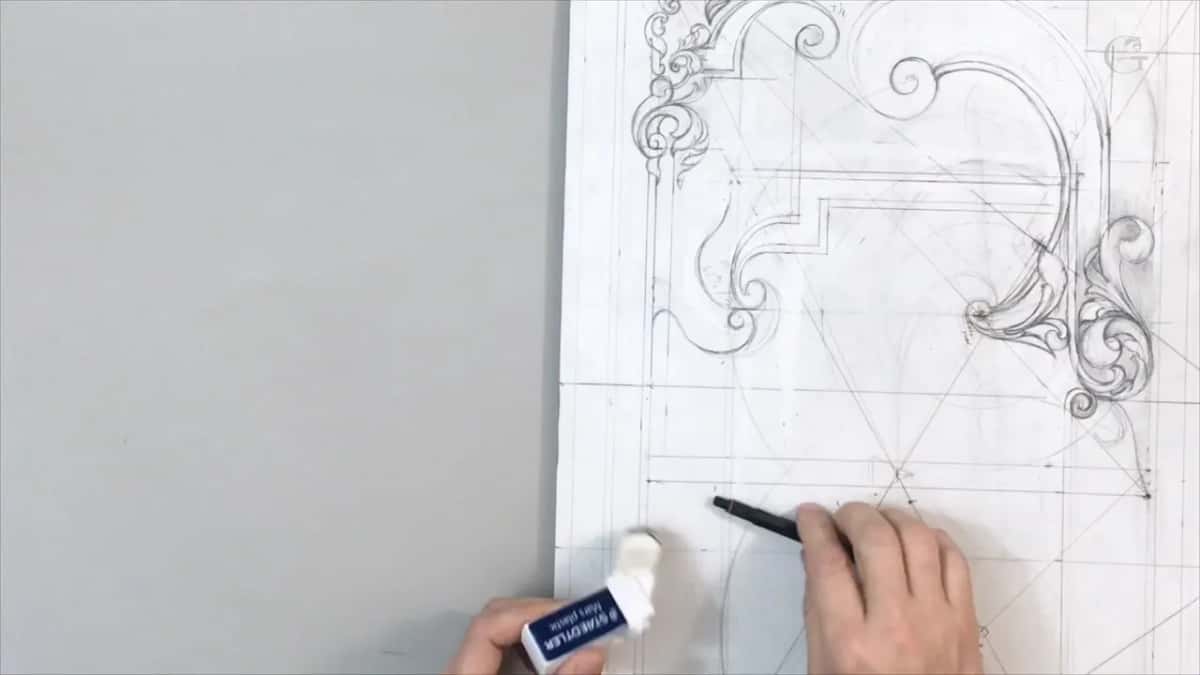
None of that is taste and none of it is talent. Carvers who never learn it produce technically clean work that somehow looks wrong, which is exactly what Grinling Gibbons never produced, and they usually blame their tools for another five years.

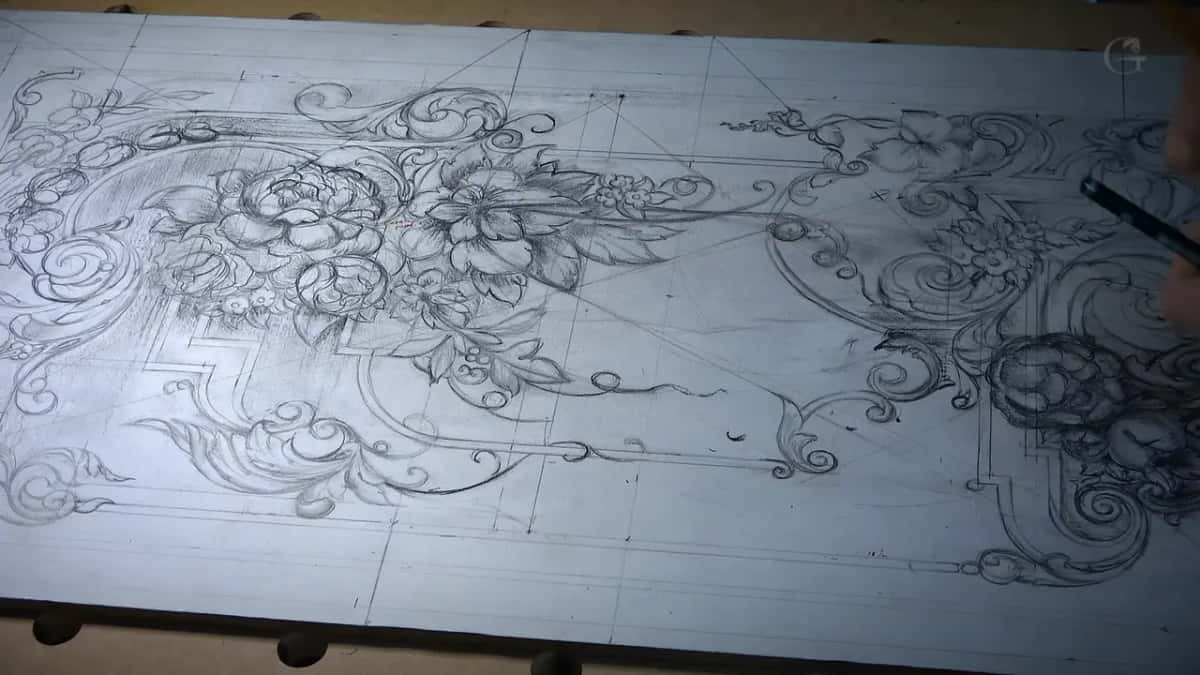
Old drawing plates teach it faster than anything modern. An 1847 plate lays out an acanthus leaf on a height line and a divided base, which is a piece of engineering rather than an artistic impression.
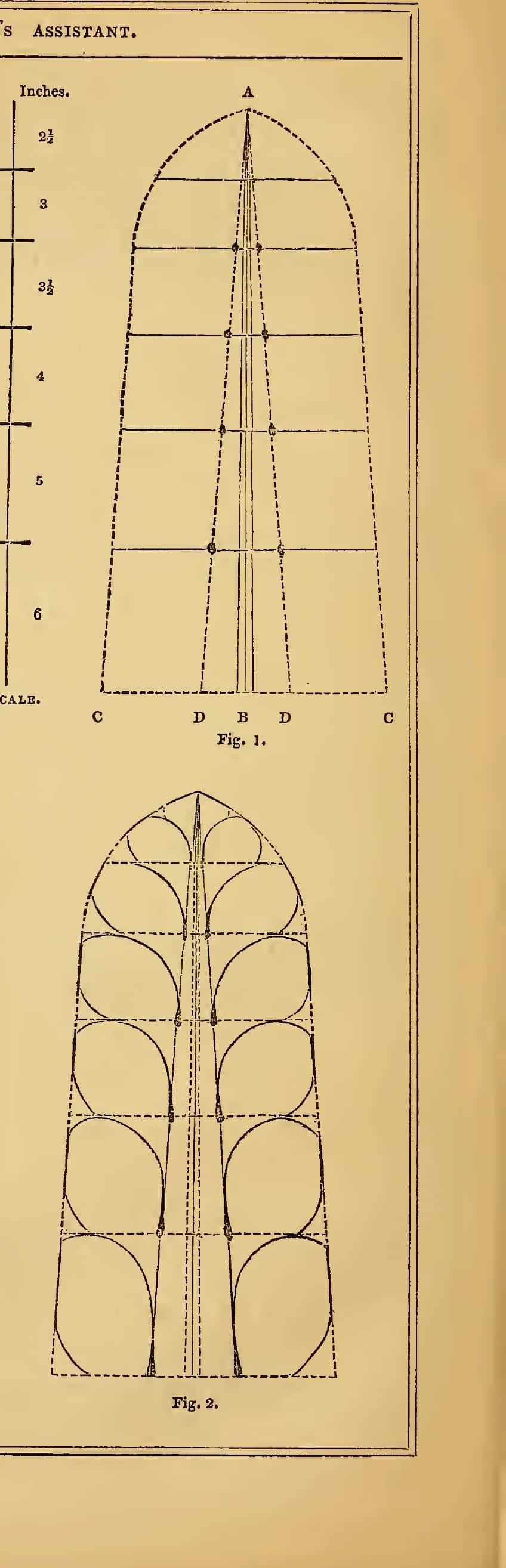
That study is what the design course exists for. Nothing else I teach changes a carver's work as fast.
What only looks hard?
The tool work itself, plus every intimidating word in the catalogue. Undercutting sounds terrifying and takes an afternoon to understand.
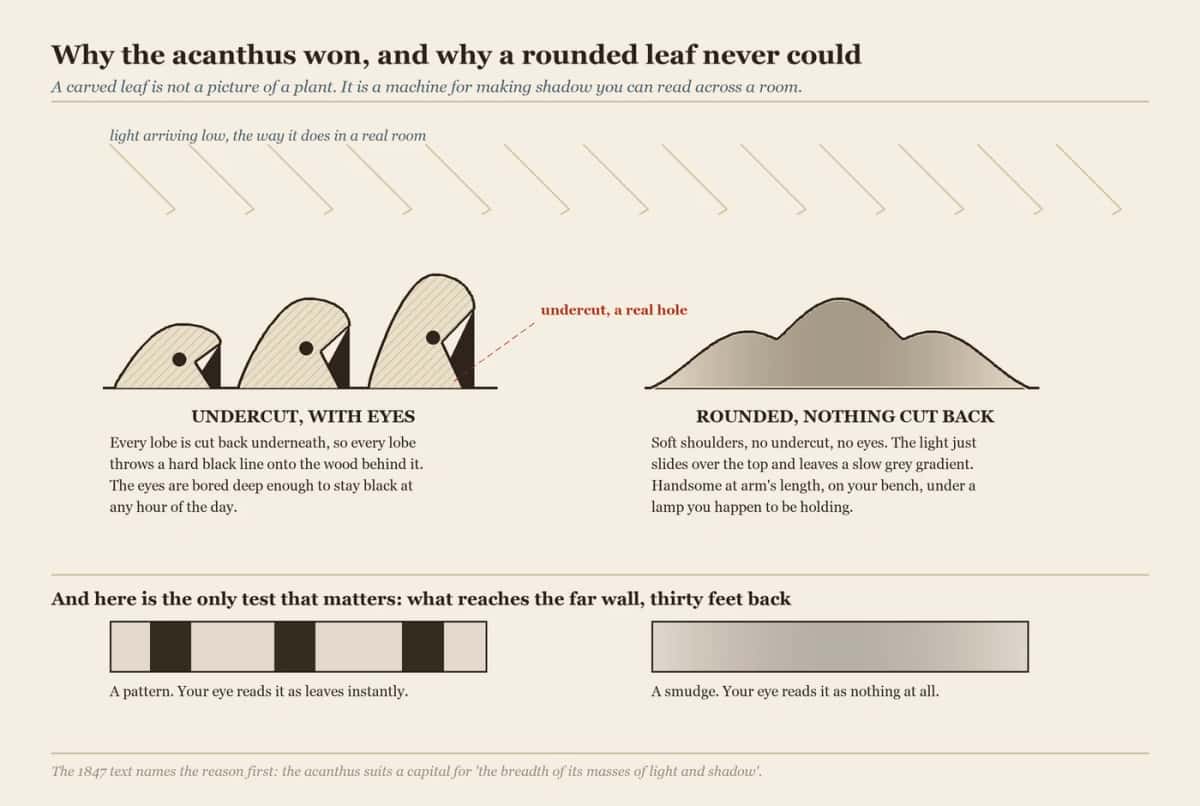
Here is the whole idea. Cut back underneath an edge and it throws a hard black shadow instead of a soft grey one. From thirty feet a rounded leaf reads as nothing and an undercut leaf reads as a shape. Shadow is the entire purpose.
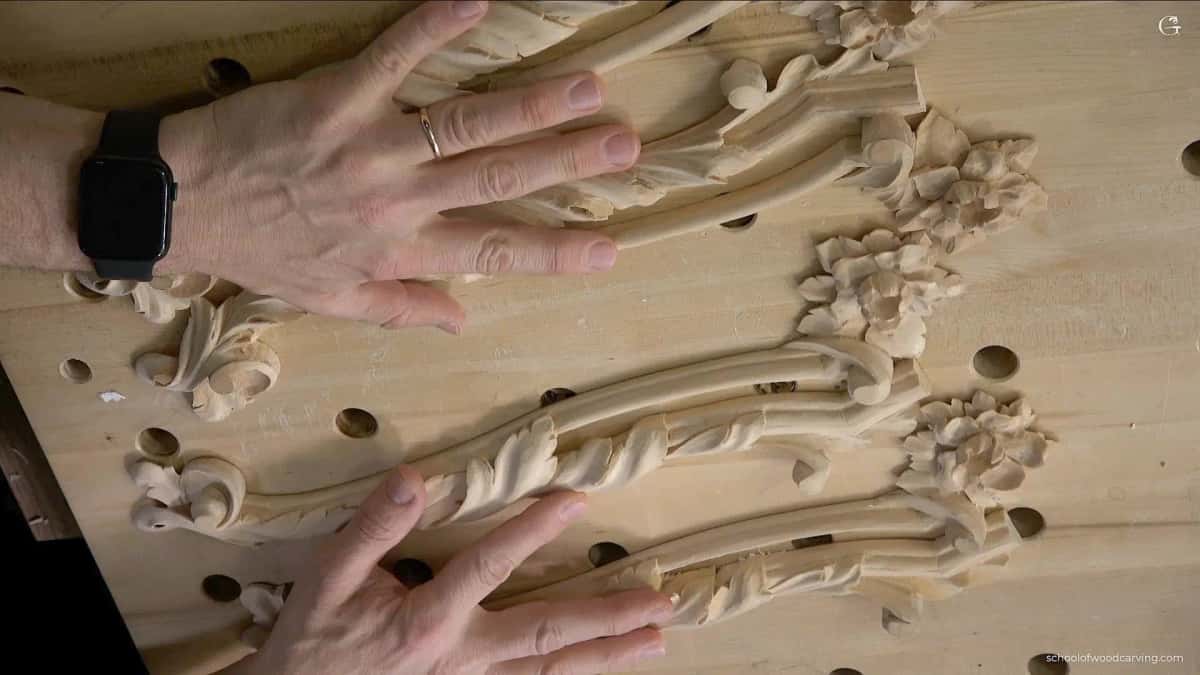
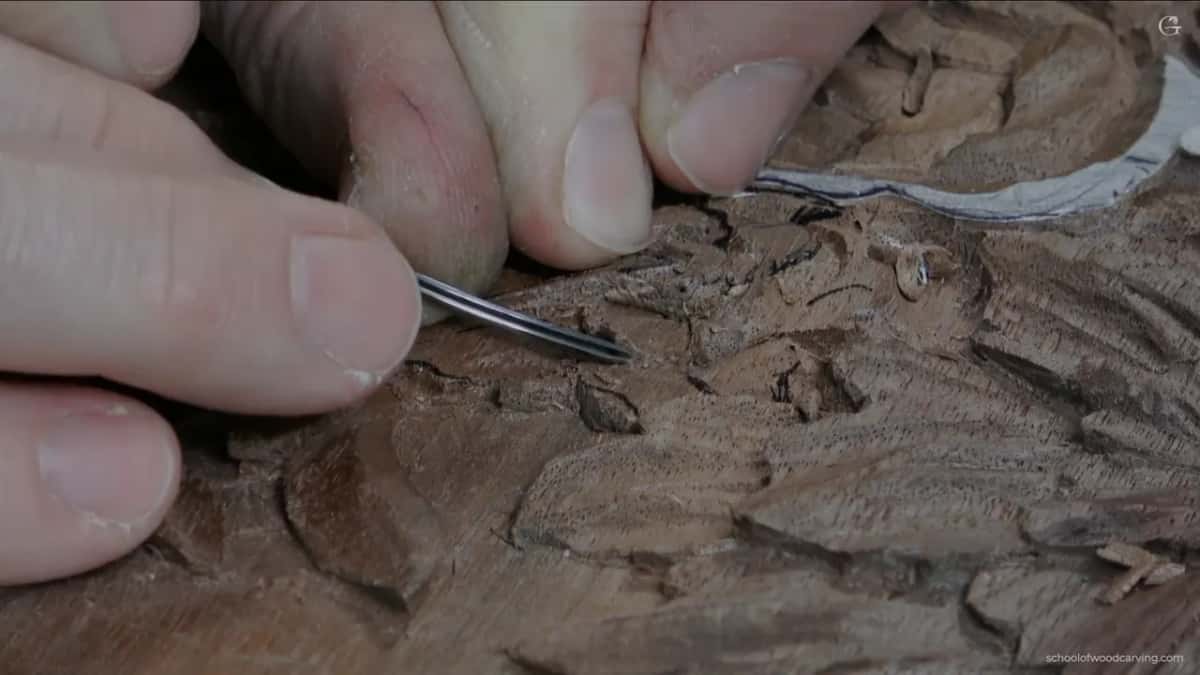
Doing it is mechanical. Clamp the piece upside down if you need to, leave about a millimetre of wood standing at the edge, and stop before the edge becomes fragile.
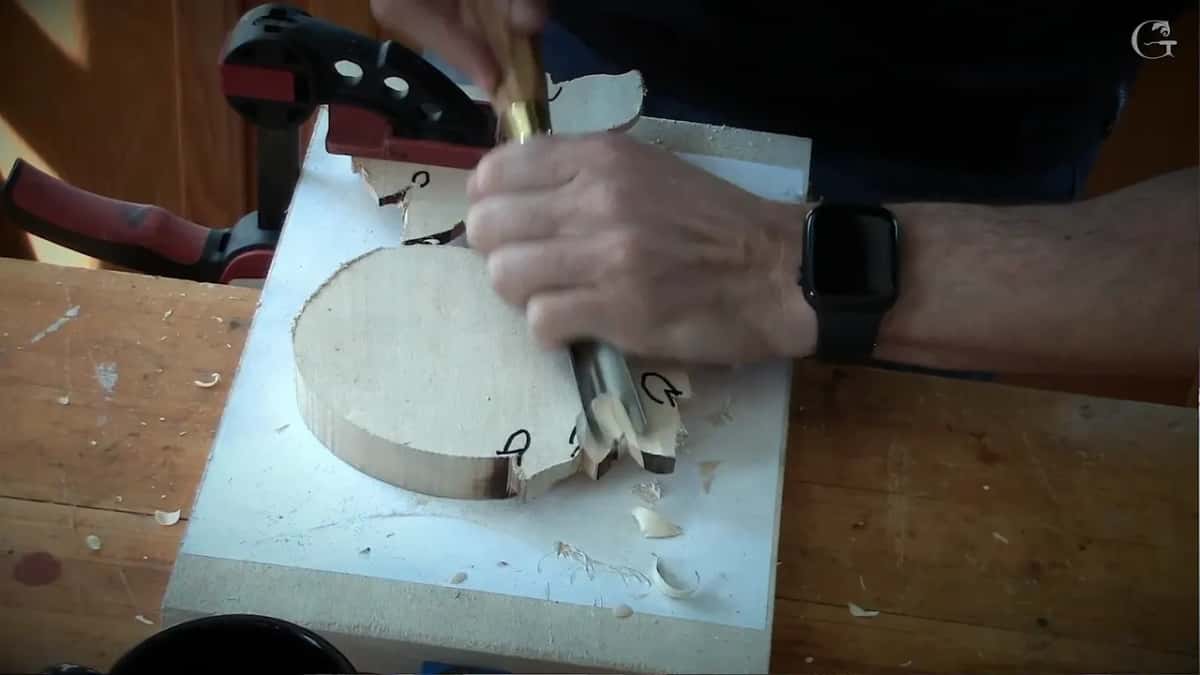
Same with reading grain, same with mallet work, same with everything else carrying an intimidating name. A week of doing it beats a month of worrying about it.
How hard is it compared with other crafts?
The hand skill sits roughly level with turning. Carving runs slower only because of that second half. Most crafts do not ask you to become a designer as well.
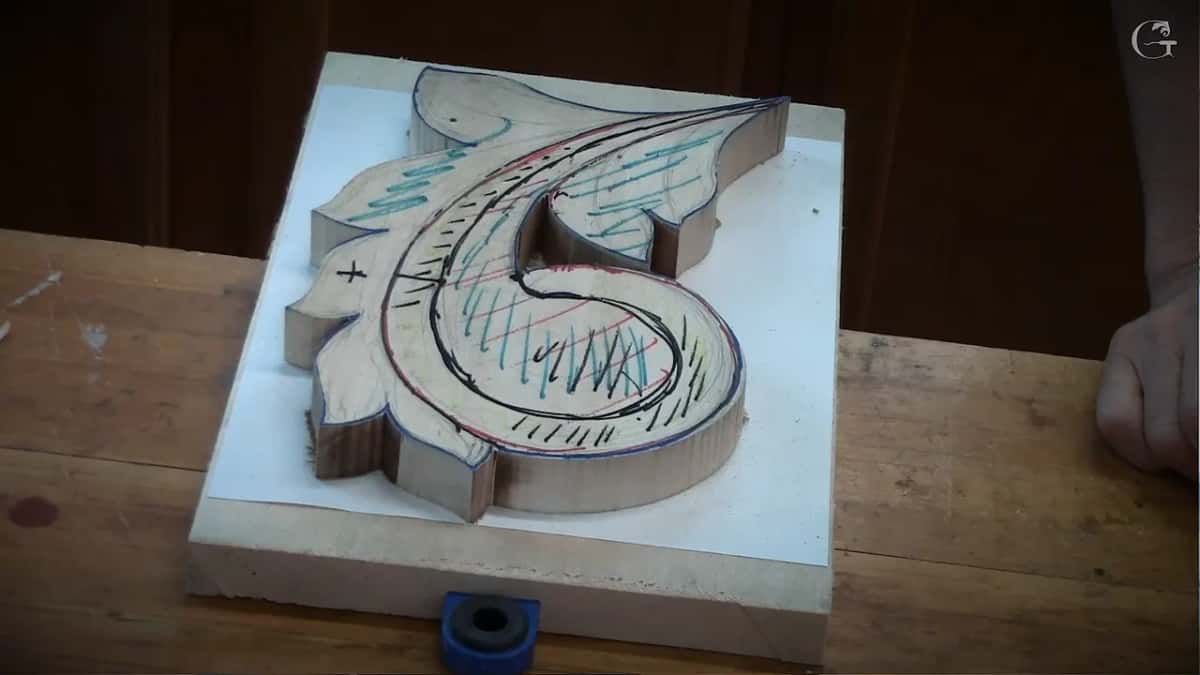
A joiner works to a drawing somebody hands him and the joint is either tight or it is not. A turner has a profile and a gauge. Carving asks you to invent the thing and then execute it, and those are two different educations running side by side.
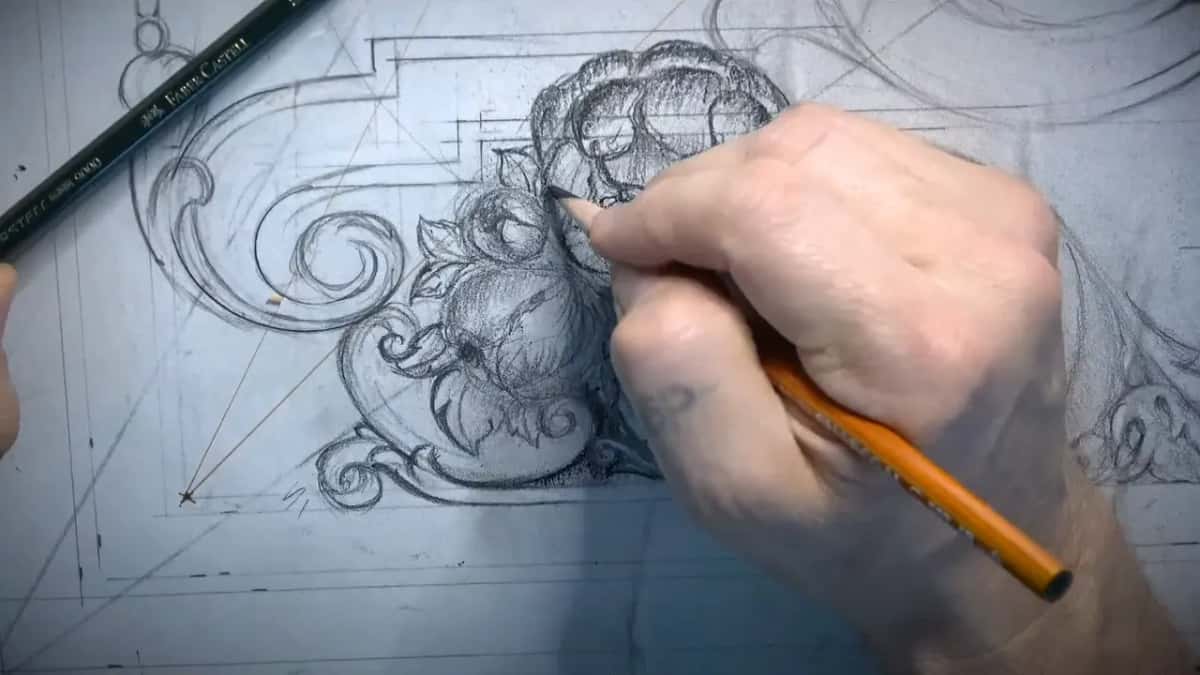
That is also why it stays interesting after decades. I have carved for over forty years and the tool problems ended a long time ago. The drawing problems are still there every morning.
Can anyone learn to carve wood?
Anybody with patience and a sharp tool, and I mean that literally rather than kindly. Talent counts for a great deal less here than simply showing up on the days you do not feel like it.
Step 1, buy one gouge and one basswood board
A number 7 sweep around 14mm, plus American basswood. Pfeil is what I hand beginners, stocked at Woodcraft and Lee Valley. Skip the boxed set entirely.
Step 2, learn to strop before you learn anything else
Leather, compound, and a few minutes every time you sit down. This is the year long skill and starting it on day one is the single biggest favour you can do yourself.
Step 3, carve twenty minutes a day rather than three hours a week
Hands consolidate between sessions, not during them. Leave the board somewhere you walk past, because a tool in a cupboard stays in the cupboard.
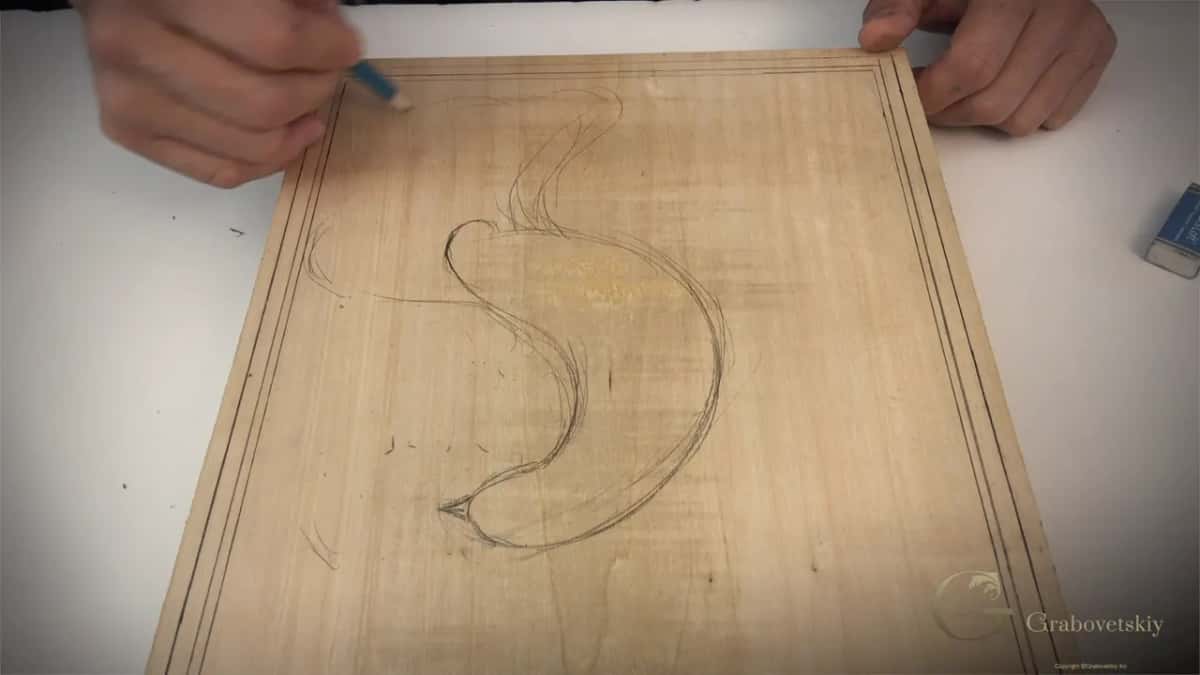
Step 4, start drawing on the same day you start carving
Not later. Copy old work, trace old plates, redraw one leaf twenty times. Every carver I know wishes he had begun it a good deal sooner than he did.
Step 5, get one honest opinion from somebody who carves for money
Your family will praise work a professional would reject, and they are not lying. They simply cannot see the fault. One honest hour costs you an uncomfortable afternoon and saves a whole year of going the wrong way.
The timeline in full sits in how long it takes to learn. Where to start is in small carving ideas and carving for beginners. Tools are in the knives post.
If you would rather have somebody beside you for the sharpening, the bench weeks are on the in person page, and there is a comparison in the post on online lessons. Everything else is on the course list.
So. Do you want to keep wondering whether you could, or find out in a month for the price of one gouge? Tuition here also feeds orphans and widows, because this is a 501(c)(3) school. Begin here, whenever you are ready.
Frequently asked questions
Is wood carving harder than woodworking?
The hand skill is comparable. What makes carving slower is that it asks you to design as well as execute, and a joiner usually works to somebody else's drawing. That second education is where the extra years go.
What is the hardest thing about learning to carve?
Sharpening, because you cannot see the difference between ground and sharp, only feel it. Most frustrated beginners who write to me have a dull tool and do not believe it. Strop it and try again.
Do I need to be able to draw?
Eventually yes, and that is the part nobody warns people about. You can copy patterns for a year quite happily. After that your work stops improving until you learn why a shape is the shape it is.
Does carving hurt your hands over time?
Less than people expect, provided the tool is sharp. A dull edge makes you push, and pushing is what hurts wrists and shoulders. Carvers in their nineties work comfortably. They never fight the wood.
How much does it cost to find out if I like it?
Under sixty dollars. One gouge, a basswood board, a strop and compound. That kit will carry you through a year of evenings, and within four weeks you will know whether the craft has hold of you.
Is it too late to start in my sixties or seventies?
No, and it may be the best time. Working in three dimensions builds new connections in the brain, so the craft gives something back at exactly that age. My oldest students are ninety and their hands are steady.